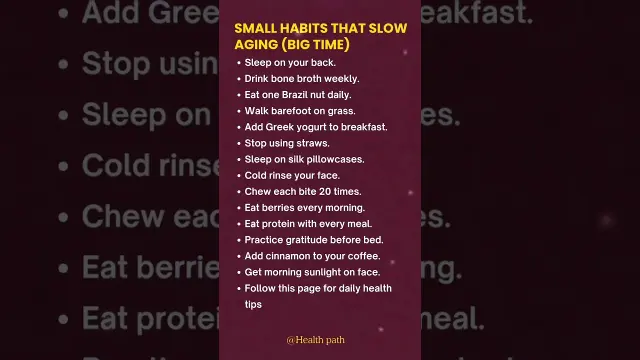
 Fifteen Small Daily Habits for Healthy Aging and Longevity
#Gratitude
2 ideas
Fifteen Small Daily Habits for Healthy Aging and Longevity
 The One Thankful Leper Cup Object Lesson
Get new #Gratitude ideas by email
Every Thursday: the week's best ideas, with the newest from #Gratitude.
Related tags
Gratitude: A Practical Guide to Noticing and Giving Thanks
Gratitude is the practice of noticing something good and acknowledging where it came from — whether that is a person, a chance, a community, or simply the way things happened to fall. It is older than any self-help shelf: philosophers in many traditions treated thankfulness as a foundation of a decent life, and religious practice across cultures has built rituals around giving thanks long before anyone wrote a book about it.
The two directions of gratitude
It helps to separate two movements that people often blur together. The first is inward: noticing. Before you can be grateful, you have to register what you have received — the meal someone cooked, the friend who remembered, the ordinary fact of a working body or a quiet morning. The second is outward: expressing. Gratitude that stays unspoken is real, but it tends to fade faster than gratitude that is said aloud or written down.
Much of what is written about gratitude concerns the first movement, because noticing is the harder habit. Attention naturally drifts toward what is missing or unfinished. Gratitude is not about pretending the difficult parts are not there; it is about refusing to let them be the only thing in view.
Read more
Simple ways to practise
- Keep a short written record. A few lines at the end of the day, naming specific things rather than broad categories, works better than vague declarations. "The neighbour carried my parcel in out of the rain" is more useful than "I am grateful for kind people."
- Say it to someone's face. A thank-you that names what the person actually did, and what difference it made, lands very differently from a general "thanks so much."
- Write a letter you may or may not send. Explaining to someone in writing why they mattered to you is a powerful exercise even if the letter stays in a drawer.
- Use a mealtime or bedtime ritual. Many families and faith traditions set aside a moment to name what they are thankful for. The repetition is the point.
- Pair gratitude with something you already do. Connecting a new habit to an established one — the morning coffee, the walk to the bus — makes it far more likely to survive the first enthusiastic week.
What beginners should know
Gratitude is not the same as forced positivity, and it is not a way of telling yourself that hard things do not matter. If you are going through something genuinely painful, gratitude can sit alongside grief or worry rather than replacing them. It is also worth being patient: like any habit, it feels awkward and performative at first, and only becomes natural after enough repetitions.
One practical caution: keep it specific and modest. Grand declarations of thankfulness for "everything" tend to slide off. Small, concrete, particular things stick — and they are also easier to notice tomorrow.
#Gratitude: frequently asked questions
How do I actually start practising gratitude?
Start with noticing rather than declaring: at some fixed point in your day, name one concrete thing you received and where it came from. A specific detail like a neighbour carrying in your parcel sticks far better than a broad statement about being thankful for kind people. Do this once, in whatever form is easiest — spoken, written, or simply held in mind for a moment.
What do I need in order to begin?
Nothing you have to buy or set up. What it asks of you is attention and a little honesty about what actually came your way, whether that was a person, a piece of luck, or an ordinary good thing like a quiet morning. A scrap of paper or a note on your phone is plenty if you want to write it down.
Which kind of gratitude practice should I choose?
Pick the one that attaches most naturally to something you already do — the first coffee, the walk to the bus, the moment before a meal — because a new habit borrows its strength from an old one. Writing suits people who like to look back and see patterns, while speaking suits people who think best out loud. If a practice feels like a performance you dread, it is the wrong shape for you, not the wrong idea.
How do I keep it going once the first enthusiasm wears off?
Keep it small enough that a bad day cannot knock it over, and anchor it to a routine that already happens without fail. Short and specific entries survive far longer than ambitious ones. Expect it to feel awkward at first — that awkwardness fades with repetition, not with better intentions.
What are the common mistakes people make?
The most frequent one is vagueness: sweeping thanks for everything tends to slide off without changing anything. Another is treating gratitude as forced positivity, which quietly tells you the difficult parts of your life are not allowed to matter. Gratitude works best alongside grief or worry rather than as a replacement for them.
How can I express gratitude to someone else?
Say it to their face and name what they actually did and what difference it made — that lands very differently from a general thank-you. Writing a letter explaining why someone mattered to you is worthwhile even if you never send it. Households and faith traditions often set aside a moment at meals or bedtime for this, and the repetition is what gives it weight.
Videos come from YouTube and posts from Instagram; titles and summaries are our own. All rights belong to their creators.