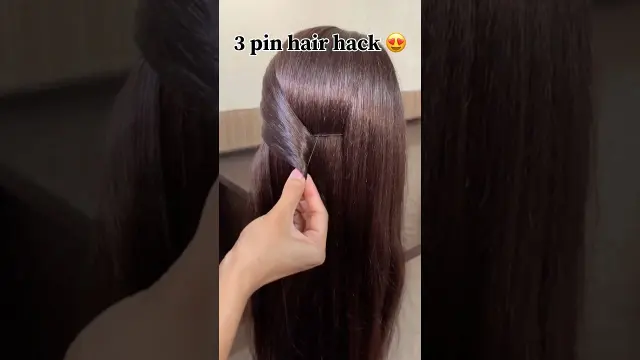
 Short video showing a three-pin hair hack for styling hair quickly
#Hair Pins
3 ideas
Short video showing a three-pin hair hack for styling hair quickly
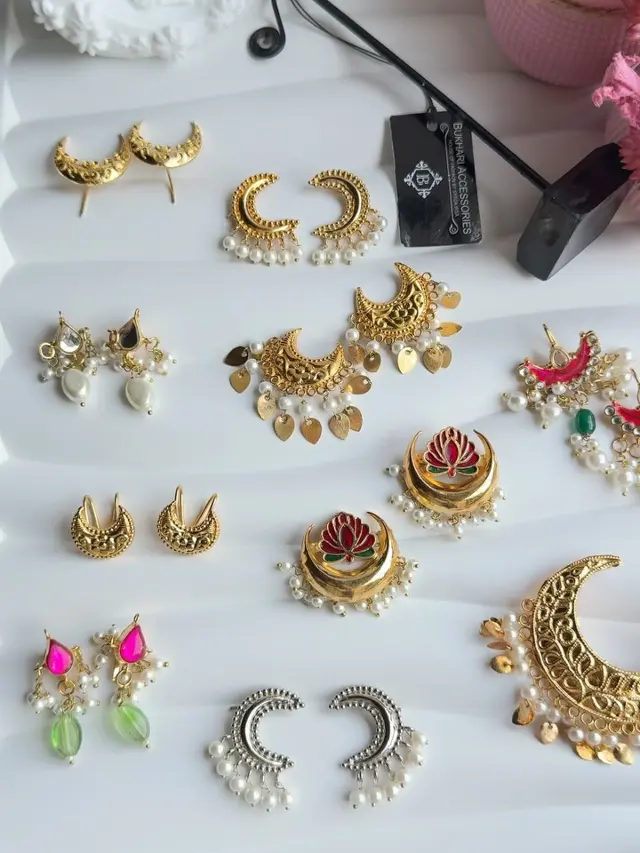 Trend Watch: Hair Accessories Like Clips and Pins
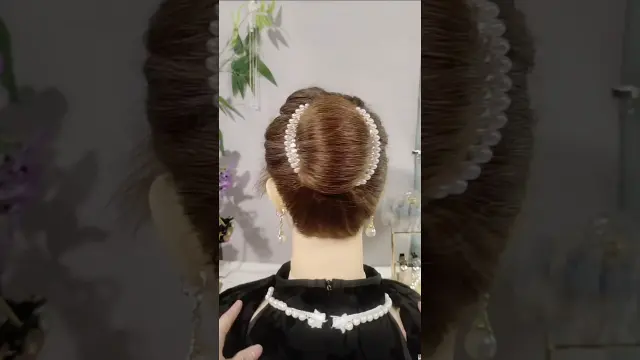 Beautiful bridal style updo using hair pins
Get new #Hair Pins ideas by email
Every Thursday: the week's best ideas, with the newest from #Hair Pins.
Related tags
Hair Pins: Types, Uses and How to Style Them
Hair pins are small pieces of hardware used to hold hair in place, usually with as little visibility as possible. They are older and simpler than most styling tools: a shaped piece of metal or plastic that grips the strands through tension rather than a clasp. Learn what each kind is for, and a bun, a twist or a half-up style stops collapsing halfway through the day.
A long, ordinary history
Pins have been used across many cultures for centuries, in bone, wood, bronze and other metals, both to keep hair tidy and to decorate it. The ornate combs and pins of the nineteenth century sit in the same family as the plain metal pin you buy in a packet today. What has stayed constant is the principle: a thin, springy shape slides into the hair, grips the strands and spreads the pull over a small area so the style holds without a tight band.
The main kinds
Read more
- Bobby pin: two prongs joined at one end, one straight and one ridged. The ridged side is the gripping side and should face the scalp.
- U-shaped pin: two prongs joined by a bend at one end, open at the other. It is pushed through a bun or a roll and holds a large section.
- Spiral pin: a corkscrew shape that screws into the hair and grips along its length.
- Decorative pins: visible pins finished with beads, pearls, metal shapes or fabric flowers, used on bridal and evening styles.
- Clips, by contrast, have a hinge and a clasp. They hold a section; pins hold structure.
What beginners should know
Choose the pin to fit the hair. Fine hair is better served by smaller pins used in greater numbers, and by a little texture, since smooth hair slides. Thick or heavy hair needs larger U-shaped pins and smaller sections, or the weight will drag the style down. Never ask one pin to hold too much hair.
Insert bobby pins by sliding them in with the ridged side down and the opening facing the direction of the hair, then pushing until they grip the scalp. Crossing two pins in an X shape holds far better than two parallel ones. Anchor into the base of the style, not just the surface, or the top layer will slide free.
Practical tips
- Match pin colour to your hair if you want them hidden, or choose them deliberately as decoration.
- Place decorative pins last, once the structure underneath is already secure.
- Remove pins by sliding them out, not pulling, and avoid bending the prongs out of shape.
- Keep a small dish for them; loose pins in a bag lose their spring and their partners.
- Avoid sleeping in tightly pinned styles, and stop if a pin is scratching the scalp.
For special occasions, most bridal up-dos are built from pinned sections rather than glue or bands: the shape is made first with pins, then finished with decoration. The same logic works day to day. Secure the structure, then let the pins disappear.
#Hair Pins: frequently asked questions
How do I start using hair pins if I'm new to styling?
Start with a simple shape like a bun, twist, or half-up style, then anchor it at the base rather than trying to hold everything from the surface. Insert the pin so it grips the hair snugly, and use a few pins to build support instead of forcing one pin to do all the work.
What kind of hair pin should I choose for my hair type?
Fine hair usually works better with smaller pins and a little texture, because very smooth hair can slip. Thicker or heavier hair often needs larger U-shaped pins and smaller sections so the style does not get weighed down.
How do I use bobby pins so they stay hidden and hold better?
Place the ridged side toward the scalp and slide the pin in along the direction of the hair until it catches. If you want stronger hold, cross two pins in an X shape instead of placing them side by side.
What is the best way to care for hair pins?
Remove them by sliding them out gently instead of pulling, which helps keep the shape springy. Store them together in a small dish or container so they do not get bent, lost, or less effective over time.
What hairstyles or occasions are hair pins good for?
Hair pins are great for everyday styles that need structure, like buns, twists, and half-up looks that should stay put all day. They also work especially well for bridal and evening styles when you want the structure hidden and the decoration to stand out.
Videos come from YouTube and posts from Instagram; titles and summaries are our own. All rights belong to their creators.