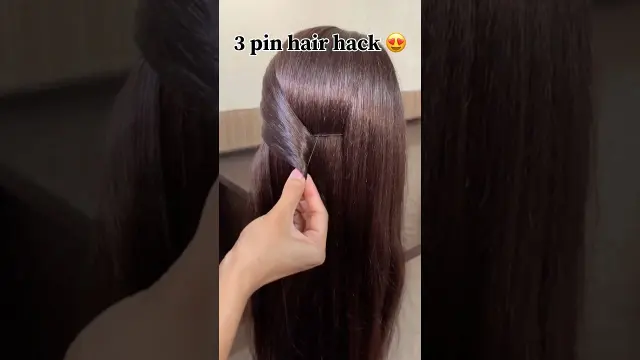
 Short video showing a three-pin hair hack for styling hair quickly
#Hairstyle Tutorial
2 ideas
Short video showing a three-pin hair hack for styling hair quickly
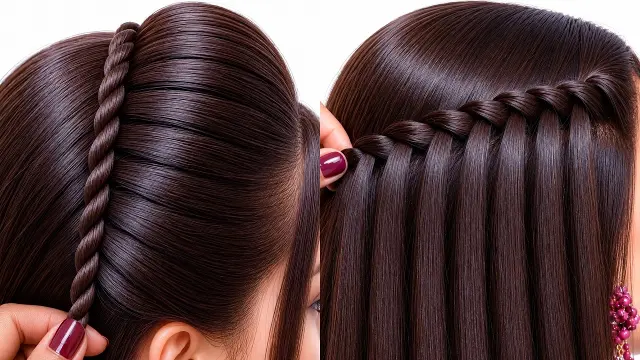 Different Hairstyle Tutorial for Parties and Everyday Looks
Get new #Hairstyle Tutorial ideas by email
Every Thursday: the week's best ideas, with the newest from #Hairstyle Tutorial.
Related tags
Hairstyle Tutorial: A Beginner's Guide to Doing Your Own Hair
A hairstyle tutorial is simply a set of instructions that walks you through creating a particular look in your own hair, step by step. It can be a written guide, a diagram, or a video, and it covers anything from a five-minute ponytail to an intricate braided updo. What separates a tutorial from a photograph of a finished style is the middle part: the sectioning, the order of the steps, the small corrections that make the difference between a style that holds and one that slides out by lunchtime.
Doing your own hair is an old skill, passed down informally for generations before anyone thought to write it down. Braiding in particular appears across many cultures, with regional patterns and techniques that were taught hand to hand long before printed instructions existed. What has changed over time is access: patterns once learned from a relative or a neighbour are now widely shared, so a technique that belonged to one family or region can be learned by anyone curious enough to practise it.
The main kinds of styles
Most tutorials fall into a few broad families:
Read more
- Braids, from a simple three-strand plait to French and Dutch variations that gather hair from the scalp as you go.
- Buns and updos, which use twisting, rolling or pinning to keep hair off the neck and face.
- Ponytails and half-up styles, the quickest way to change how hair sits without cutting it.
- Heat styling, where curling irons, straighteners or a hairdryer with a brush create shape and movement.
- Setting and holding techniques, such as pin curls or wrapping, that shape hair without direct heat.
Many looks combine several of these. A braided crown, for instance, is a braid technique plus a pinning technique, and learning them separately makes the combination far less daunting.
What beginners should know
Start with the simplest version of the skill you want. If braiding is the goal, master a plain three-strand plait before adding sections from the scalp. If volume is the goal, learn how sectioning and drying change the shape before reaching for extra products.
Hair texture matters more than most tutorials suggest. Clean, freshly washed hair is often slippery and hard to pin, while hair a day old holds styles better. Fine hair usually needs lighter products; thick or curly hair often needs more moisture and more patience with sectioning.
Learn a few fundamentals and most styles become easier: how to section hair with a comb, how to pin so a grip sits flat against the scalp, and how to check the back of your head with a mirror arrangement or your phone.
Be kind to your hair while you practise. Avoid pulling styles very tight, especially repeatedly in the same place, and give your hair rest days between tight braids, buns or ponytails. Keep heat tools on moderate settings and use them on dry hair rather than damp. If your scalp feels sore or your hair breaks easily, loosen the style and give it a break.
Finally, expect the first attempts to look nothing like the finished photograph. That is normal. Choose one style, repeat it a few times, and let your hands learn the sequence.
#Hairstyle Tutorial: frequently asked questions
How do I get started with a hairstyle tutorial if I have no experience?
Pick the simplest version of the skill you want to learn and practise only that until your hands know the sequence. If braiding is your goal, work on a basic plait before adding sections from the scalp. Expect early attempts to look messy — that is a normal part of learning, not a sign you are doing it wrong.
What do I need before following a hairstyle tutorial?
Most looks need very little: a comb for sectioning, some grips or pins, and a mirror setup that lets you see the back of your head, often with a second mirror or your phone. Heat tools are optional and belong on moderate settings, used on dry hair. Beyond that, the main requirement is hair that is in a state to hold a style.
Should I style freshly washed hair or hair a day old?
Hair that was washed the same day tends to be slippery, so pins and braids slide out. Hair a day old generally holds shape better and is easier to section. Fine hair usually responds better to lighter products, while thick or curly hair often needs more moisture and more patience while sectioning.
How do I choose which kind of style to learn first?
Think about the result you want and work backwards: braids gather and contain hair, buns and updos lift it off the neck and face, and ponytails or half-up styles change how hair sits without any cutting. Heat styling and no-heat setting methods such as pin curls or wrapping create shape and movement instead. Many finished looks combine two of these, so learning them separately makes combinations far less daunting.
What are the most common mistakes people make when practising hairstyles?
Pulling styles too tight, especially in the same spot repeatedly, is the biggest one, along with using heat tools on damp hair or at high settings. Another common habit is jumping straight to an intricate look instead of mastering the plain version of the technique underneath it. Give your hair rest days between tight styles, and if your scalp feels sore or hair is breaking, loosen up and take a break.
How do I find style ideas for a party versus everyday wear?
For everyday looks, favour techniques you can repeat quickly and that survive a normal day, such as a simple plait, a low bun or a half-up style. For parties, build on those same fundamentals and add pinning, sectioning or setting steps to make the look more formal. Learning a quick trick well is often more useful than memorising a complicated style you will only attempt once.
Videos come from YouTube and posts from Instagram; titles and summaries are our own. All rights belong to their creators.