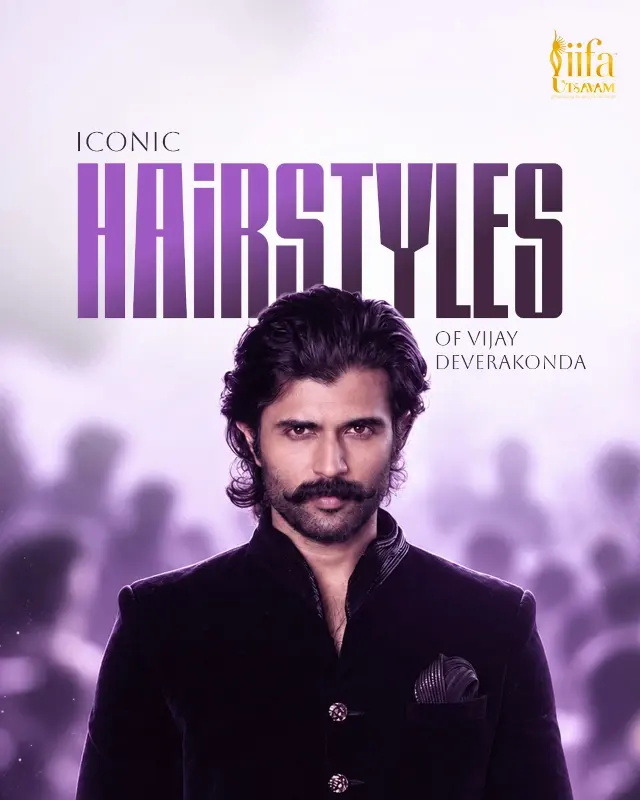
 Vijay Deverakonda's Hairstyle Range From Messy to Polished
#Hairstyle Ideas
5 ideas
Vijay Deverakonda's Hairstyle Range From Messy to Polished
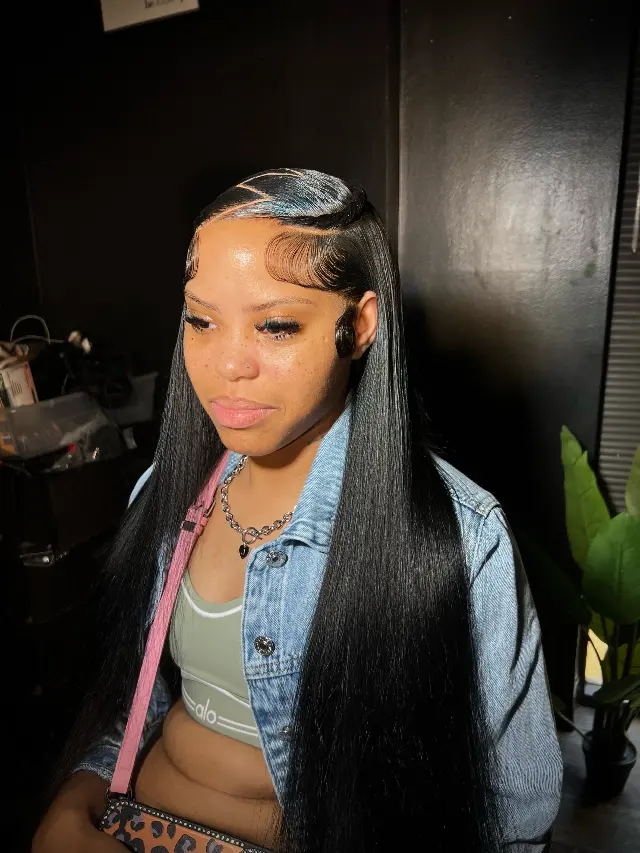 Frontal wig install with soft, natural-looking waves
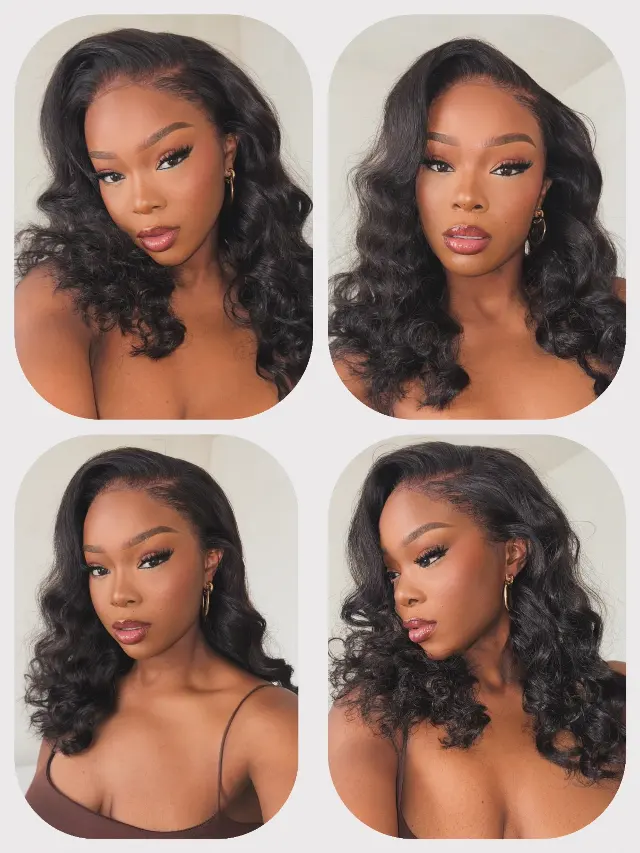 One wig styled seven ways, from glam waves to sleek buns
Get new #Hairstyle Ideas ideas by email
Every Thursday: the week's best ideas, with the newest from #Hairstyle Ideas.
Related tags
Hairstyle Ideas: A Guide to Finding Your Look
A hairstyle is more than a way to keep hair out of your face. It shapes how a face reads, signals mood and occasion, and can change an outfit entirely without buying anything new. "Hairstyle ideas" as a topic is simply the collected knowledge of how hair can be cut, arranged, braided, pinned, waved or set — a vocabulary you can draw from whenever you want something different.
Where the ideas come from
Most styles in use today have long histories. Braiding appears in cultures across Africa, Asia, Europe and the Americas, with patterns passed down through generations and often carrying meaning about age, status or celebration. Buns and chignons developed as practical ways to keep long hair tidy while working, then became formal wear. Waves and curls were once achieved with rags, pins and heat over embers long before modern styling tools existed. Updos, ponytails, twists and wraps all began as solutions to real problems: heat, labour, ceremony, modesty, convenience.
The main families of styles
Read more
- Loose and worn down: straight, wavy or curly, with or without layers, bangs or a fringe.
- Worn up: ponytails, buns, chignons, French twists, claw-clip updos, half-up styles.
- Braided and twisted: three-strand braids, French and Dutch braids, fishtail, cornrows, twists, and the many variations built on them.
- Set and shaped: curls made with heat or rollers, sleek straightened looks, wet-look styling, waves set with pins or bands.
- Protective styles: braids, twists and wraps that tuck the ends away, useful for textured and fragile hair, and often worn for weeks at a time.
- Embellished: ribbons, clips, pins, scarves, headbands and floral accents, which can lift a simple style quickly.
What beginners should know
Start with what your hair already does well rather than fighting it. Fine hair tends to hold sleek styles and small accessories but loses volume quickly; thick or curly hair suits larger shapes, bigger sections and heavier hold. Length matters less than texture and density — many short styles rely on pins and clips rather than length.
Learn three or four reliable styles first: a neat ponytail, a simple bun, a basic three-strand braid and one loose wavy look. These cover most everyday situations and form the base for everything more complicated. Braiding is a skill of the hands, so expect the first attempts to look uneven; that is normal and passes with practice.
Practical tips
Work with hair that is clean but not freshly washed if you need grip, since day-old hair holds pins better. Section hair before you begin rather than gathering it as you go. Use gentle tension, especially on the hairline, and take styles down at the end of the day to let the scalp rest. Avoid tight styles worn continuously, and let hair recover between them.
Finally, keep a small collection of neutral tools — pins, ties, clips, a comb — and treat ideas as starting points. The best hairstyle is rarely the most elaborate one; it is the one you can repeat comfortably and that feels like you.
#Hairstyle Ideas: frequently asked questions
How do I choose a hairstyle idea that suits me best?
Start with your hair’s natural texture, thickness, and length instead of trying to force a style that fights them. Loose looks, buns, braids, and waves all work differently on fine, thick, straight, or curly hair, so the easiest choice is usually the one that matches what your hair already does well.
What basic tools do I need to try hairstyle ideas at home?
Most simple styles only need a comb, a few pins or clips, and hair ties. If you want waves, braids, or a smoother finish, it also helps to have sectioning clips and a small amount of styling product for grip and hold.
What are some easy hairstyle ideas for beginners?
A neat ponytail, a simple bun, a basic braid, and a loose wavy style are great places to begin. These styles can be worn casually or dressed up with ribbons, pins, or a headband, and they also teach the core skills used in more complex looks.
How can I make a hairstyle look better for a special occasion?
Try adding shape, shine, or one decorative detail instead of overcomplicating the whole look. A polished bun, soft waves, a braided half-up style, or an embellished ponytail can feel dressed up with clips, flowers, scarves, or a smooth finish.
What are common mistakes to avoid when styling hair?
One common mistake is pulling hair too tightly, which can make a style uncomfortable and harder to wear for long periods. It also helps not to start on hair that is too freshly washed if you need grip, and to section the hair first so the finished style looks cleaner and more balanced.
Videos come from YouTube and posts from Instagram; titles and summaries are our own. All rights belong to their creators.