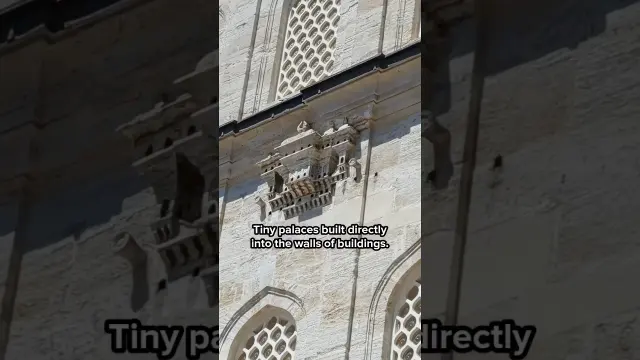
 The Historic Ottoman Bird Palaces Built into Public Buildings
#Hidden History
2 ideas
The Historic Ottoman Bird Palaces Built into Public Buildings
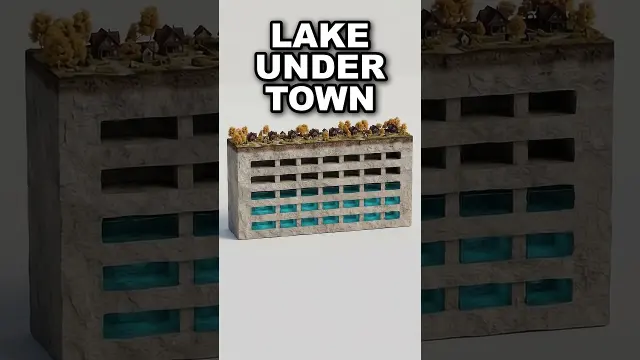 Inside the Billion-Gallon Underground Lake Beneath Bonne Terre, Missouri
Get new #Hidden History ideas by email
Every Thursday: the week's best ideas, with the newest from #Hidden History.
Related tags
Hidden History: Overlooked Places and Stories
Hidden history is the part of the past that lies just out of sight: forgotten places, overlooked details, buried structures, and stories that never became widely known. It may be hidden because time covered it, because later buildings or landscapes changed it, or because it belonged to people whose voices were not fully recorded. Discovering hidden history means looking more closely at familiar places and asking what came before.
What hidden history includes
Hidden history can be found in many forms. It might be an old wall preserved inside a newer building, a sealed room, a surviving decorative detail, a lost pathway, or a site that has been repurposed so many times that its original use is easy to miss. It can also include stories that were passed down locally but never fully written into official histories.
Some hidden history is physical, such as:
- foundations under later structures
- tunnels, cisterns, or cellars
- reused building materials
- carved symbols, inscriptions, or small decorative elements
- archaeological traces beneath everyday landscapes
Read more
Other hidden history is social or cultural: the lives of workers, families, migrants, women, children, or minority communities whose contributions were important but not always recorded in detail.
Why it matters
Hidden history helps you see that the past is layered, not neat. A street, house, or public building may contain traces of earlier eras if you know where to look. These traces can reveal how people lived, traveled, worshipped, worked, and adapted to changing times. They also remind you that history is often incomplete, and that preservation depends on care, curiosity, and listening to different voices.
For many people, hidden history is especially appealing because it turns ordinary places into places of discovery. A familiar building may become more interesting when you learn that it contains reused stones, older foundations, or evidence of a previous purpose.
How to approach it
If you want to explore hidden history, begin with observation. Notice unusual textures, blocked openings, mismatched materials, or architectural details that seem older than the rest. Read local histories, museum notes, and heritage signs, and compare them with what you see in the landscape. Old maps, photographs, and oral traditions can also help reveal what has changed.
A few useful habits:
- Look beyond the main façade and into side streets, courtyards, and lesser-known corners.
- Pay attention to place names, which often preserve older meanings.
- Ask how a site may have been altered, reused, or rebuilt over time.
- Treat local stories with care: they may be incomplete, but they often point toward something real.
A careful way to discover more
Hidden history rewards patience. Not every clue will have a clear answer, and some stories remain partly unknown. That uncertainty is part of the subject. The goal is not to force every mystery into a simple explanation, but to appreciate how much of the past survives in fragments. When you notice those fragments, you begin to see history not as something distant, but as something still present in walls, streets, and everyday places.
Videos come from YouTube and posts from Instagram; titles and summaries are our own. All rights belong to their creators.