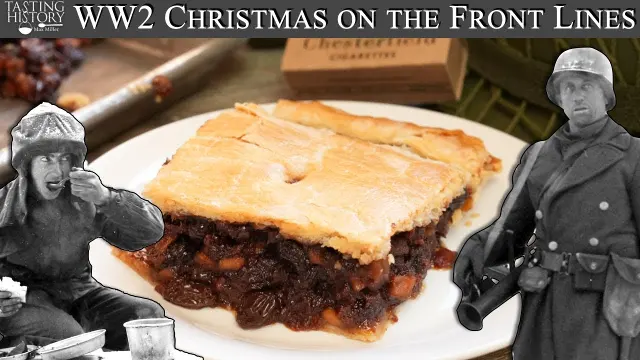
 World War 2 Mincemeat Pie for the Battle of the Bulge
#Historical Recipe
1 ideas
World War 2 Mincemeat Pie for the Battle of the Bulge
Get new #Historical Recipe ideas by email
Every Thursday: the week's best ideas, with the newest from #Historical Recipe.
Related tags
Historical Recipes and Traditional Cooking
What historical recipes are
Historical recipes are dishes preserved from earlier times, whether they come from handwritten family notebooks, old cookbooks, community traditions, or records of everyday cooking. They can tell you a lot about how people ate, what ingredients were available, and how meals changed over time. Some are simple peasant foods made from whatever was on hand. Others reflect the cooking of royal courts, religious festivals, or special occasions.
When you cook from a historical recipe, you are not only making a meal. You are also exploring a way of life. Ingredients, tools, and cooking methods were often shaped by local climate, trade, preservation methods, and household budgets. That is why older recipes can feel unfamiliar, even when the dish itself is still recognizable.
Where they come from
Read more
Historical recipes may appear in many forms. Some were passed down by word of mouth, while others were written in household journals or printed in early recipe collections. Before modern standardization, instructions were often brief and assumed that the cook already knew quite a bit. Quantities may be vague, temperatures may be absent, and words for ingredients can vary by region.
Because of this, reading an old recipe can feel a little like detective work. You may need to interpret terms, compare several versions, or learn how a specific ingredient was used in the past. That is part of the charm, and also part of the challenge.
Common kinds of historical dishes
Older recipes cover many styles of cooking, but some broad types appear again and again:
- Everyday breads, porridges, soups, stews, and pies
- Preserved foods such as pickles, jams, salted meats, and dried fruit dishes
- Festive dishes served for holidays, weddings, or religious celebrations
- Household desserts and sweets made with seasonal ingredients
- Regional specialties shaped by local crops and traditions
What to know before you start
If you are trying a historical recipe for the first time, it helps to be flexible. Old recipes often need interpretation rather than exact copying. The goal is usually to understand the dish and its character, not to force it into a modern format.
A few practical tips can help:
- Read the whole recipe before beginning.
- Look up unfamiliar ingredients or old-fashioned names carefully.
- Expect shorter instructions than modern recipes provide.
- Start with a modest batch, especially if the dish is unfamiliar.
- Taste as you go, when the method allows it.
- If needed, adapt for modern food safety while keeping the spirit of the dish.
Styles and techniques
Historical cooking often relies on methods that were especially useful before refrigeration and modern appliances. These may include roasting, boiling, baking in simple ovens, stewing, drying, salting, fermenting, and preserving in sugar or vinegar. Many dishes balance sweet and savory flavors in ways that may feel unusual today.
You may also notice different textures and seasoning patterns. Some older recipes are richly spiced, while others are restrained. Some use a lot of herbs, dried fruit, or nuts. Others focus on basic grains, vegetables, and fats that were easy to store.
Why people still cook them
Historical recipes are valuable because they connect you with culture, memory, and everyday history. They can teach patience, observation, and respect for ingredients. They also invite you to slow down and notice how cooking has changed, while still recognizing the timeless pleasure of sharing food.
If you approach them with curiosity rather than strict expectations, historical recipes can become a rewarding way to cook, learn, and preserve tradition.
Videos come from YouTube and posts from Instagram; titles and summaries are our own. All rights belong to their creators.