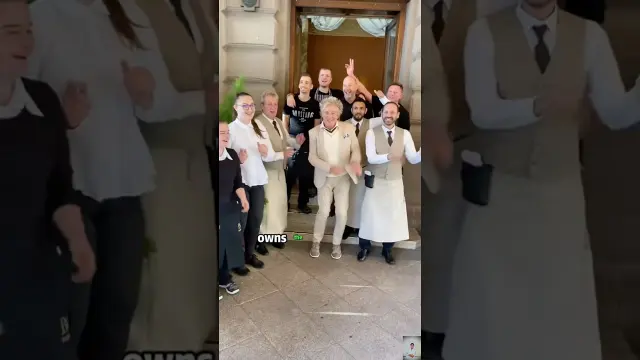
 Inside Rod Stewart's Massive Private Model Train Collection
#HO Scale
3 ideas
Inside Rod Stewart's Massive Private Model Train Collection
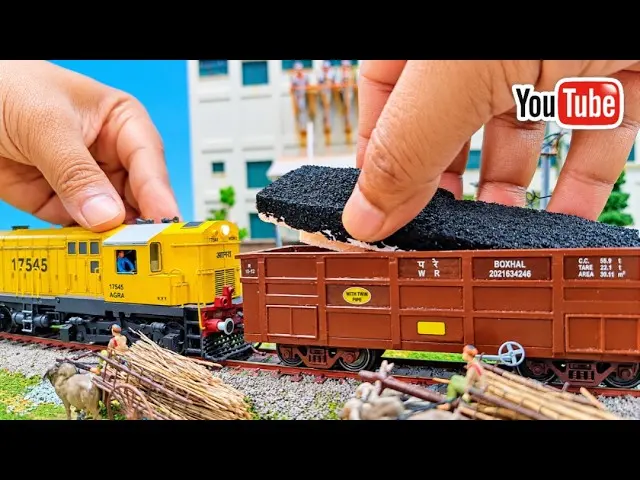 Indian Railways HO Scale Miniature Model Train Shunting
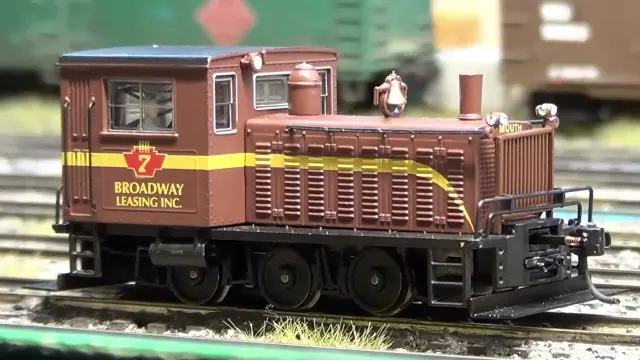 Reviewing The Broadway Limited Imports Plymouth Switcher
Get new #HO Scale ideas by email
Every Thursday: the week's best ideas, with the newest from #HO Scale.
Related tags
HO Scale Model Railways
What HO scale means
HO scale is one of the most popular sizes in model railways. The letters “HO” come from “half O,” because it is smaller than O scale. In HO scale, the model is built at a ratio of 1:87 compared with a real train. That size makes it large enough to show detail, but compact enough to fit in a home, so many people choose it for their first layout and for lifelong collections.
HO scale is used for locomotives, freight and passenger cars, stations, buildings, figures, scenery, and whole railway layouts. Because it is so widely used, you can find a large variety of rolling stock, track systems, accessories, and parts that work together.
Why it appeals to modelers
Read more
One of the main strengths of HO scale is balance. It gives you enough room for realistic detail without requiring a huge space. You can build a small switching layout, a simple oval for running trains, or a larger scene with yards, industries, and towns.
It is also a flexible scale for different eras and regions. You can model steam or diesel, freight or passenger operations, rural branch lines or busy main lines. That variety makes HO scale appealing whether you enjoy operating trains, collecting models, or creating detailed scenery.
Common styles and types
HO scale layouts can take many forms:
- A simple display loop for watching trains run
- A switching layout, where you move cars between sidings and industries
- A point-to-point layout, which represents trains traveling from one place to another
- A large multi-level layout, often with yards, stations, and scenery
- A shelf layout, designed to fit along a wall in a smaller room
The models themselves also come in different levels of detail. Some are built for regular handling and operation, while others are designed as display pieces with finer detail. There are steam locomotives, diesel locomotives, freight cars, passenger cars, and maintenance equipment, all available in HO scale.
Getting started
If you are new to HO scale, it helps to begin with a clear plan. Decide what kind of railway you want to model and how much space you have. A small, well-designed layout is often more satisfying than a large one that is hard to finish.
A few practical tips can help:
- Choose a layout size that you can reach across easily
- Keep the track plan simple at first
- Use reliable trackwork, since smooth running depends on it
- Test locomotives and cars before adding scenery
- Leave room for curves, sidings, and access to the layout
It is also wise to think about storage and maintenance. Dust, handling, and loose connections can affect performance, so keeping the layout clean and accessible makes a big difference.
Building scenery and atmosphere
HO scale scenery can be very convincing because the size allows for fine detail in buildings, roads, trees, and figures. Small additions such as signals, platforms, fences, and loading docks help bring the scene to life. Natural-looking terrain, consistent weathering, and careful placement of details can make even a modest layout feel complete.
If you are just starting out, begin with a few key scenes rather than trying to finish everything at once. A believable railway is usually more effective than a crowded one. Over time, you can add more buildings, details, and operation to suit your own style.
A scale for learning and enjoyment
HO scale remains popular because it is approachable and versatile. It gives beginners room to learn and experienced modelers room to refine detail and operation. Whether you enjoy building, collecting, or running trains, HO scale offers a rewarding way to bring railways into miniature form.
#HO Scale: frequently asked questions
How do I start with HO scale model trains?
Start with a simple plan for the kind of railway you want to build and the space you have available. A small layout with reliable track and a few well-chosen trains is often the best way to learn and enjoy the hobby without feeling overwhelmed.
What do I need to begin an HO scale layout?
You will need track, a place to build the layout, and the trains and cars you want to run. It also helps to have basic scenery materials, tools for assembly, and a clean area where you can test everything before adding details.
Which type of HO scale layout is best for a beginner?
A simple loop or a small switching layout is usually the easiest place to begin. These styles let you focus on smooth operation, basic scenery, and easy access while still leaving room to expand later.
How do I care for HO scale trains and layouts?
Keep the layout free of dust, check connections, and handle models gently to protect fine details. It is also important to test trains regularly and keep the track and layout accessible so you can spot problems early.
What are some good HO scale project ideas for a home display?
HO scale works well for a display scene with a station, a small town, or a working industry along the track. You can also create a shelf layout, a simple running loop, or a detailed switching scene that fits your room and your style.
Videos come from YouTube and posts from Instagram; titles and summaries are our own. All rights belong to their creators.