 Five Unexpected Thanksgiving Side Dishes Guests Will Ask For
#Holiday Cooking
4 ideas
Five Unexpected Thanksgiving Side Dishes Guests Will Ask For
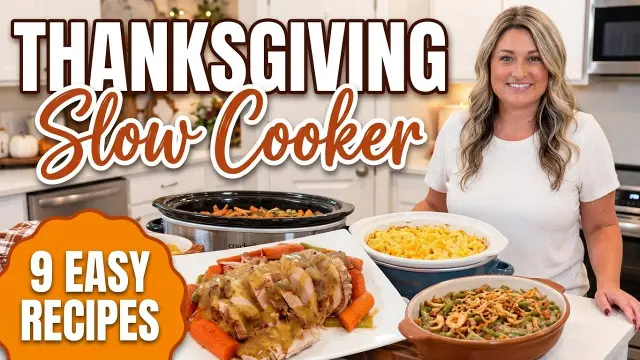 Nine Thanksgiving Slow Cooker Recipes That Free Up the Oven
Get new #Holiday Cooking ideas by email
Every Thursday: the week's best ideas, with the newest from #Holiday Cooking.
Related tags
Holiday Cooking: A Guide to Festive Kitchen Traditions
Holiday cooking is the practice of preparing food for celebrations, and it is less a cuisine than a way of approaching the kitchen. It covers the big meals of the year — Thanksgiving and Christmas in many households, but also Easter, Lunar New Year, Eid, Diwali, Hanukkah, and the long tables of midsummer and harvest — and what all of these share is scale, occasion and a menu that people expect to recognise.
The roots of holiday cooking lie in agricultural rhythms and religious observance. Foods were once tied tightly to what was available at a particular point in the year: the autumn slaughter, the first preserved fruits, the end of a fasting period. That is why so many festive dishes are rich, sweet or made from prized ingredients like butter, dried fruit, nuts, or a cut of meat reserved for special days. Over time, the practical reason faded and the emotional one stayed: the specific dish became the thing that makes the holiday feel like itself.
What makes holiday cooking different
Everyday cooking asks what you can get on the table quickly. Holiday cooking asks how to feed more people than usual, at one moment, without losing the dishes that carry meaning. This is really a question of scheduling. Most of the skill is not in any single recipe but in understanding what can be made ahead, what must be served hot, and what can wait at room temperature without harm.
Read more
Some dishes improve when made a day early — braises, soups, stuffing, gravies, many cakes. Some things must be done at the last minute: a roast that needs to rest then be carved, a sauce that splits if held. Others live comfortably in the middle, like breads, salads and pickles.
Building the menu
A menu of all rich dishes overwhelms the palate. Balance heavy, creamy, and roasted courses with something sharp, raw or acidic. Keep the number of new recipes small; try at most one unfamiliar dish per occasion and let the rest be things you have cooked before. If you are feeding people with different diets, generous vegetable dishes and a clearly labelled meat-free option are kinder than a modified version of the main dish.
Practical tips for beginners
- Write the full menu down, then work backwards from serving time and note when each dish is made.
- Read every recipe through to the end first; surprises in festive cooking usually arrive in the last two steps.
- Season in layers as you cook rather than at the end, especially in large quantities where seasoning is hard to judge.
- Warm plates and a plan for keeping food hot matter as much as the cooking itself.
- If timing goes wrong, serve the dish honest rather than rushed.
Keeping it human
Guests remember the atmosphere more than the precision. Traditional dishes carry family history, and it is worth treating a handed-down recipe as something to learn rather than improve. And if you are the guest, offer to bring a dish or arrive early and peel something — holiday cooking is easier when it is shared.
#Holiday Cooking: frequently asked questions
How do I start planning a holiday meal without getting overwhelmed?
Write the full menu down first, then work backwards from the moment you want to serve and mark when each dish gets made. Read every recipe through to the end before you shop, because in festive cooking the surprises tend to hide in the final steps rather than the first ones.
Which dishes can be made ahead, and which really can't?
Braises, soups, stuffing, gravies and many cakes often improve when prepared in advance, so let them carry the bulk of the work. Anything that has to be finished at the last minute, like a roast that needs to rest before carving or a sauce that splits if held, should stay off the make-ahead list.
How do I stop the table from feeling too rich and heavy?
Balance the creamy, roasted and buttery courses with something sharp, raw or acidic so the palate gets a rest between them. It also helps to keep the number of unfamiliar recipes small and let most of the menu be dishes you have cooked before.
What's the best way to feed guests who eat differently?
Generous vegetable dishes and a clearly labelled meat-free option feel far more welcoming than handing someone a stripped-down version of the main dish. Plan them as proper courses in their own right rather than as an afterthought.
What mistakes do beginners usually make?
Seasoning only at the very end is the classic one, especially when cooking in large quantities where it is hard to judge by taste. The others are trying too many new recipes at once and forgetting that warm plates and a way of keeping food hot matter as much as the cooking itself.
I'm the guest this year — how can I actually be useful?
Offer to bring a dish or turn up early and take on a job like peeling and chopping, since the host is mostly juggling timing rather than technique. Asking what would genuinely help beats arriving with something that competes for oven space.
Videos come from YouTube and posts from Instagram; titles and summaries are our own. All rights belong to their creators.