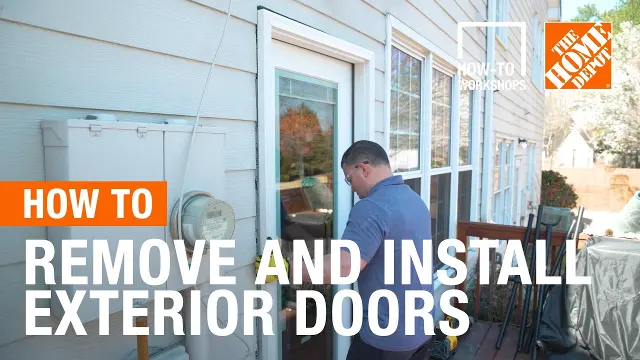
 How to Remove and Install an Exterior Door Yourself
#Home Exterior
14 ideas
How to Remove and Install an Exterior Door Yourself
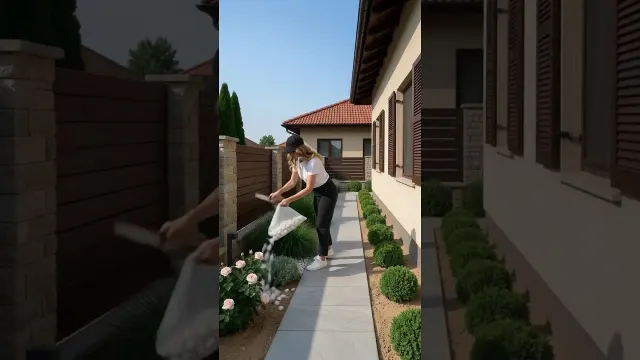 Side Yard Landscaping Ideas With Stone Paths and Grasses
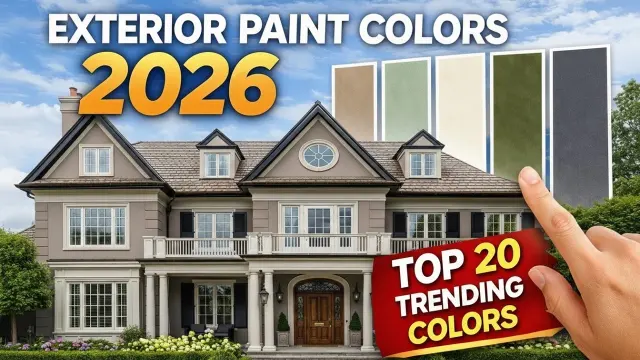 Popular Exterior Paint Colours and How to Choose Them
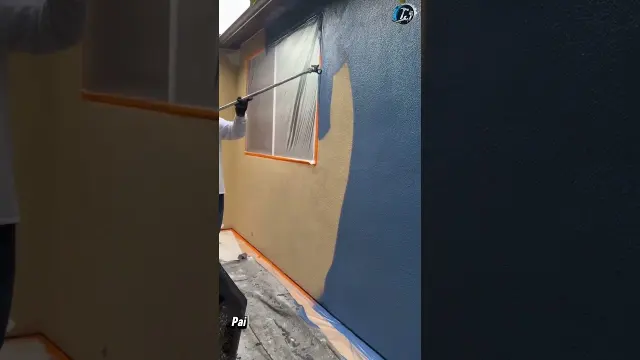 Spray Painting a Stucco Exterior Wall Blue
 Outdoor Features Buyers Dislike and How They Cost You
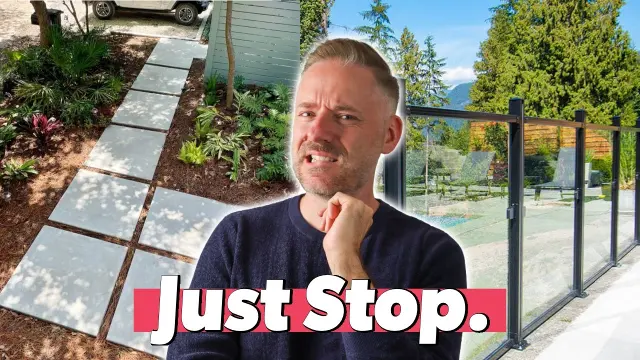 Six Exterior Design Mistakes That Make a Home Look Cheap
 Step-by-Step Exterior Door Installation
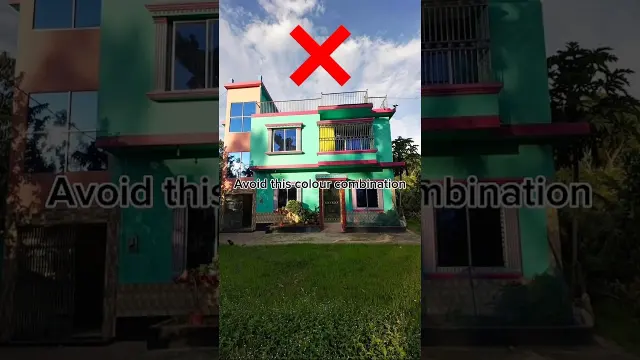 Designer Exterior Colour Schemes for a Luxury Look
 Exterior Paint Trends: Warm Neutrals and Grounded Earth Tones
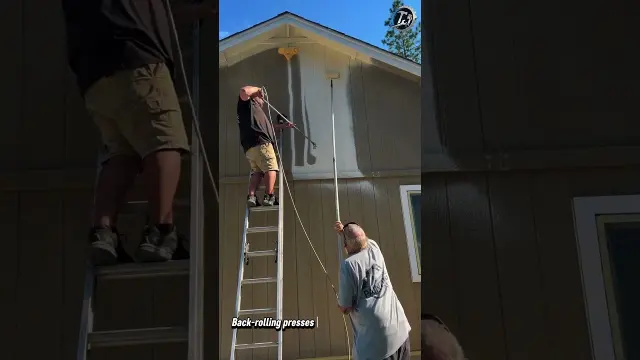 Spray and Back-Roll Technique for Exterior Wall Painting
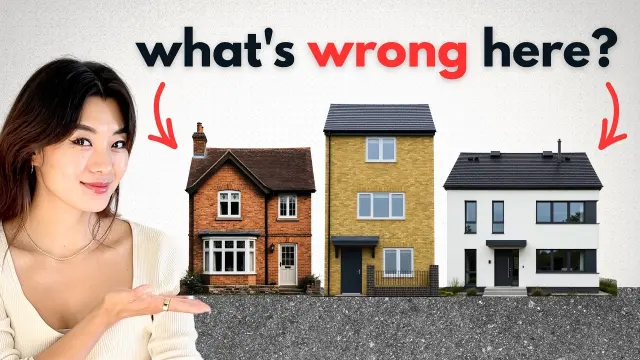 Fourteen Facade Mistakes That Make a House Look Wrong
 Thirteen Curb Appeal Habits That Make a Home Look Tacky
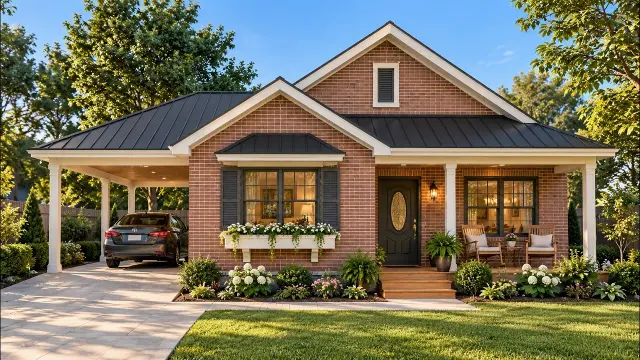 Stunning Red Brick House Design and Floor Plan
Get new #Home Exterior ideas by email
Every Thursday: the week's best ideas, with the newest from #Home Exterior.
Related tags
Home Exterior: A Guide to Curb Appeal and Lasting Design
A home's exterior is the part of a house that belongs to the street as much as to the people who live inside it. It is the first thing a visitor sees, the surface that weather works on year after year, and the one part of a building that is almost impossible to change on a whim. Thinking about it as a whole — shape, material, colour and setting together — is what separates a house that looks considered from one that merely looks finished.
The elements that make a facade
Every exterior is built from a handful of layers. The structure gives the shape; the cladding — brick, render, timber, stone, fibre cement, metal or a mix of these — gives the surface, texture and colour. The roof sets the silhouette, whether it is pitched and tiled, low and flat, or somewhere in between. Windows and doors are the punctuation: their size, rhythm and spacing do as much for a facade as any material. Add gutters, downpipes, fascias and a front door, and the picture is complete. When these elements agree with one another, the house feels calm even in a photograph.
Styles and where they come from
Read more
Regional architecture grew out of local climate and local stone. Brick and slate suit wet, temperate places; white render and shutters belong to hot, bright coasts; timber weatherboard appears where forests were close and sawmills closer. Modern exteriors tend to simplify: fewer materials, larger windows, flat or shallow roofs, and a restrained palette. Vernacular styles — cottage, farmhouse, colonial, Mediterranean, mid-century — carry those histories with them, and they can be borrowed, but they look most convincing when the whole house, not just the front, follows the same logic.
What beginners should know
Start with the big shapes before the small ones. Proportion, roofline and window placement matter far more than a paint colour, and they are much harder to change later. Choose two or three materials at most and let one lead. Consider how the house will look from the street at different times of day, and in the rain, when wet surfaces darken considerably.
Practical points
- Match materials to the climate: freeze-thaw cycles, salt air, strong sun and heavy rain all wear differently on different surfaces.
- Plan for maintenance. Timber needs refinishing, render needs cleaning, metal and brick generally need less. Choose what you are willing to keep up with.
- Deal with water first. Good drainage, overhangs and correctly sized gutters protect everything else.
- Keep a record of colours and products so future repairs match.
- Planting softens hard edges. A tree or hedge grown to scale with the house does more than decoration.
- Lighting extends the facade into the evening; a few well-placed fixtures beat a row of glare.
Above all, an exterior improves with restraint. A house that is tidy, structurally sound and consistent in its choices will still look right long after the details that seemed fashionable have quietly disappeared.
#Home Exterior: frequently asked questions
How should I start planning a home exterior if I have never done it before?
Begin with the large forms — the roofline, the proportions of the house and where the windows sit — because those decide how the facade reads from the street and are the hardest things to alter later. Colour, trim and decoration come last, once those shapes feel right. Looking at the house at different times of day, and on a wet day when surfaces darken, gives a much more honest picture than a single sunny glance.
Which exterior material should I choose for my house?
The honest answer depends less on fashion than on your climate and your appetite for upkeep: brick, stone and metal shrug off weather with little attention, while timber needs regular refinishing and render needs cleaning. It also pays to let the material suit the local setting, since surfaces that grew out of a region's weather and stone tend to look settled rather than imported. Pick one leading material and let a second or third support it rather than competing with it.
Do exterior colours and materials need to match the architectural style of the house?
They do not have to, but a borrowed style only convinces when the whole house follows the same logic rather than just the front facing the street. A cottage palette on a modern flat-roofed house, or a Mediterranean white on a wet, cold site, tends to look like a costume. The safer approach is to keep the palette restrained and let the architecture carry the character.
How do I take care of a home exterior over the years?
Water is the thing to stay ahead of — clear gutters, sound drainage and adequate overhangs protect every other surface on the house. Beyond that, match your maintenance routine to your materials: refinish timber before it fails rather than after, and wash render and cladding before grime becomes ingrained. Keeping a simple record of the colours and products you used makes later repairs blend in instead of standing out.
What are the most common mistakes people make with a home exterior?
The usual culprits are too many materials and colours fighting each other, and details chosen before the big shapes were settled. Another is ignoring how the house will look in rain, in low evening light or after planting has grown, when the balance shifts considerably. Restraint fixes most of this: a tidy, consistent, structurally sound exterior ages far better than one loaded with fashionable touches.
How can I improve curb appeal without a major renovation?
Softening the hard edges does a surprising amount — a tree or hedge scaled to the house, a clear path to the door, and a few well-placed lights that extend the facade into the evening. Tidying and repairing what is already there, from gutters to the front door, often reads as more considered than adding new features. Keep additions quiet and consistent so the house still looks like one idea rather than several.
Videos come from YouTube and posts from Instagram; titles and summaries are our own. All rights belong to their creators.