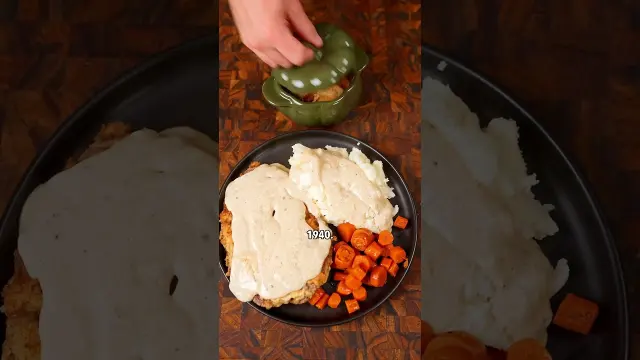
 Preparing a 1940s Minimum Wage Dinner Recipe
#Home Front
1 ideas
Preparing a 1940s Minimum Wage Dinner Recipe
Get new #Home Front ideas by email
Every Thursday: the week's best ideas, with the newest from #Home Front.
Related tags
The Home Front: Rationing, Thrift and Wartime Homemaking
The home front is the war fought away from the battlefield — the kitchen, the allotment, the mending basket and the queue at the shop. The phrase came into wide use in the twentieth century, above all during the Second World War, when bombing, blockade and conscription made civilians part of the war effort in a way they had never quite been before. Food, fuel, fabric and fuel-adjacent things like soap and string stopped being background comforts and became supplies to be counted. What grew out of that scarcity is what draws people to the hashtag today: a whole culture of making do, cleverly and with good humour.
What it covers
The home front is less a single subject than a bundle of household skills pressed into service:
- Rationing cookery, where a short list of ingredients has to stretch across a week, and nothing edible is thrown away.
- Make do and mend: darning, patching, turning collars, remaking adult clothes into children's, unpicking one garment to save another.
- Growing your own, whether in a back garden, an allotment or a public square dug up for vegetables, plus preserving the surplus in jars and bottles.
- Salvage and reuse, from saving bones for stock to collecting paper, metal and rags.
- Home defence and blackout routines, the practical rituals of living under threat.
- Keeping morale: community halls, knitting circles, shared suppers, letters, music and small celebrations.
Read more
Why it still appeals
People come to it from different directions. Some are tracing family history and want to understand what a grandmother's week actually looked like. Some are reenactors or living-history enthusiasts who care about the correct cut of a dress or the right sort of pie dish. Others arrive through thrift, slow living or an interest in old kitchens — and find that wartime households had already worked out many of the answers to questions about waste and making things last.
If you want to try it
Begin with one skill rather than a whole era. Pick something modest: a week of ration-book style meals, a darned jumper, a windowsill of herbs. Read period recipes for method and proportions, but cook them in a modern kitchen and let present-day food safety take priority — old instructions sometimes assume a different oven, colder storage or a level of risk you would not accept now. Expect to adapt: flour, fat and cuts of meat are not what they were, and a recipe may need adjusting before it works for you.
Treat the history with care. Rationing was not a charming game; it was hardship, sometimes grief, and the cheerfulness in the posters was partly a way of holding things together. Learn the skills, enjoy the ingenuity, and remember the people who had no choice about it.
#Home Front: frequently asked questions
What exactly is the home front, and why is it a hashtag topic?
It refers to the civilian side of wartime life — the kitchen, the garden plot, the mending pile and the shop queue — where ordinary households had to keep going under scarcity. The hashtag gathers the skills that grew out of that: ration-style cooking, repairing clothes, growing and preserving food, and salvaging whatever could be reused. People are drawn less to the battles than to the ingenuity and good humour of making do.
How do I start exploring it without buying a whole period wardrobe?
Choose one modest skill and give it a fair trial rather than trying to recreate an entire era at once — a week of sparse, thrifty meals, a darned jumper, a windowsill of herbs. Read period recipes and instructions for method and proportions, then carry them out in a modern kitchen and let present-day food safety come first. Old guidance often assumes a different oven, colder storage or risks you would not accept now, so expect to adjust as you go.
What basic equipment or supplies should I have?
Very little beyond what a normal household already owns: a needle and mending wool, a few jars and bottles for preserving, some pots and a working oven, and a patch of ground or a windowsill for growing. The spirit of the thing is using what is to hand rather than assembling a special kit, so start with the tools you already have and add only what a project genuinely needs. Flour, fats and cuts of meat behave differently today, so be ready to adapt a recipe rather than replace your equipment.
Which skill should I pick first — cooking, mending or growing?
Pick whichever matches something you already do badly and would like to do better, because each one is easiest to learn inside ordinary routines. Cooking from a short ingredient list teaches thrift and resourcefulness fastest, mending suits anyone with a repair pile and a little patience, and growing rewards those with light and a bit of outdoor space. All three feed into each other, so beginning with one usually leads naturally to the others.
How do I care for mended and remade clothes so the repairs last?
Wash less often and more gently, since frequent hot washing and hard drying are what wear out both fabric and stitching. Reinforce a darn or patch before it starts to fail, and keep a small mending basket so small faults are dealt with while they are still small. Salvaging fabric from one worn garment to keep another going is part of the method, so store spare cloth and buttons rather than discarding them.
What mistakes do newcomers make with home front projects?
The common one is treating it as a charming aesthetic game and forgetting that rationing and make-do were hardship, sometimes bound up with grief and loss. Another is following old instructions literally — reproducing proportions or storage habits that made sense under different conditions but are not safe or practical now. Start small, adapt as you learn, and enjoy the ingenuity while keeping the people who had no choice in mind.
Videos come from YouTube and posts from Instagram; titles and summaries are our own. All rights belong to their creators.