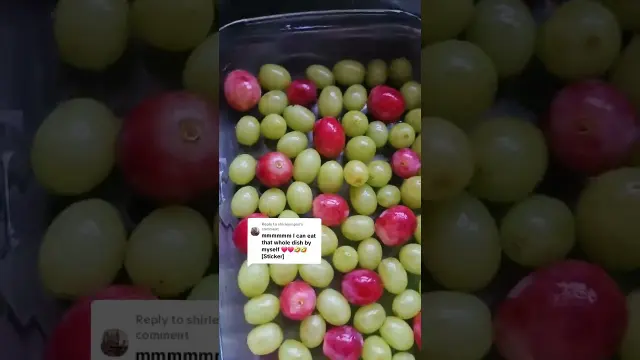
 Making a viral gelatin fruit snack at home
#Homemade Recipe
16 ideas
Making a viral gelatin fruit snack at home
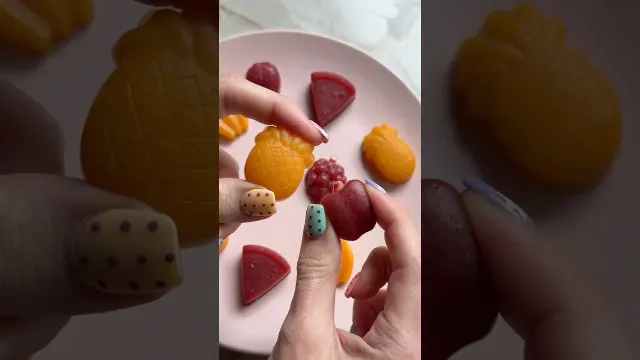 Homemade fruit snacks made with real fruit and vegetables
 Healthy Homemade Cat Food Recipe Tutorial
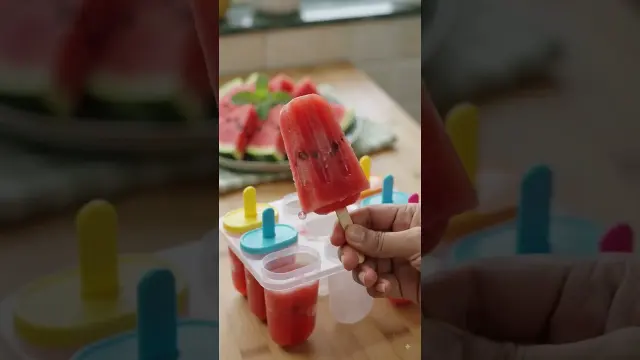 Five Easy and Refreshing Homemade Ice Cream Recipes
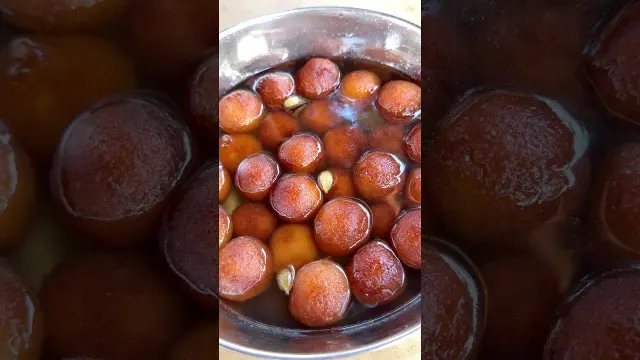 Traditional Homemade Suji and Milk Powder Gulab Jamun
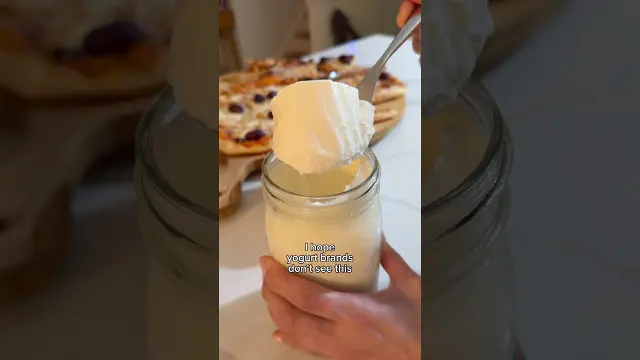 Simple Two-Ingredient Homemade Plain Yogurt Recipe
 Delicious Homemade Veg Hot Dog Recipe
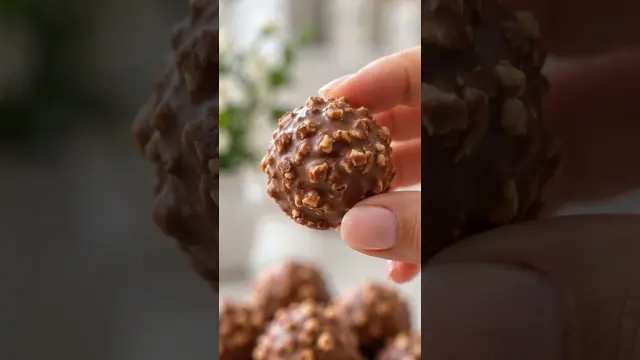 No-Bake Homemade Ferrero Rocher Chocolates
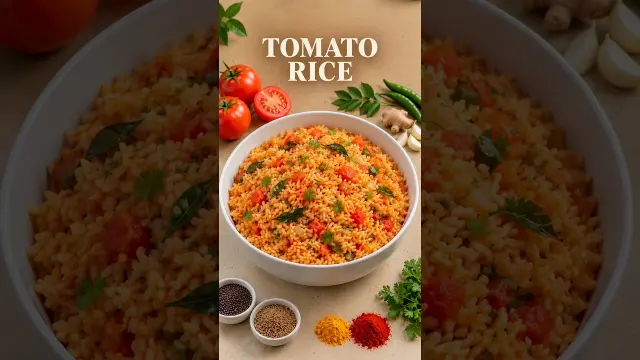 Flavorful and Easy Homemade Tomato Rice Recipe
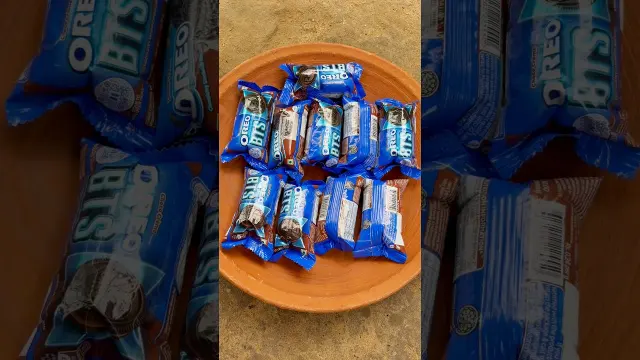 Simple No-Bake Oreo Biscuit Cake Recipe
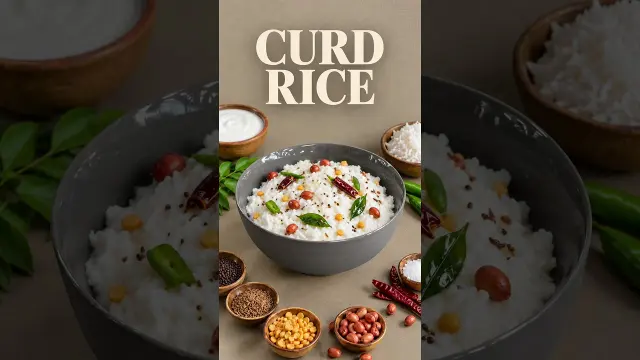 Easy and Creamy South Indian Curd Rice Recipe
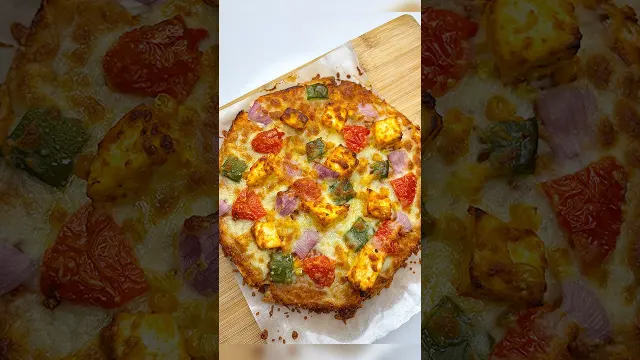 Cheesy Garlic Bread Pizza Stovetop Recipe
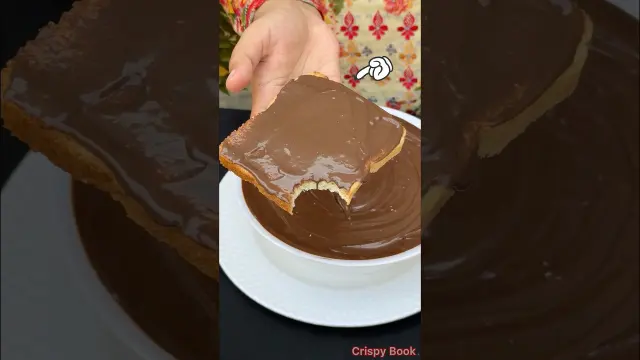 Easy Homemade Nutella Chocolate Spread Recipe
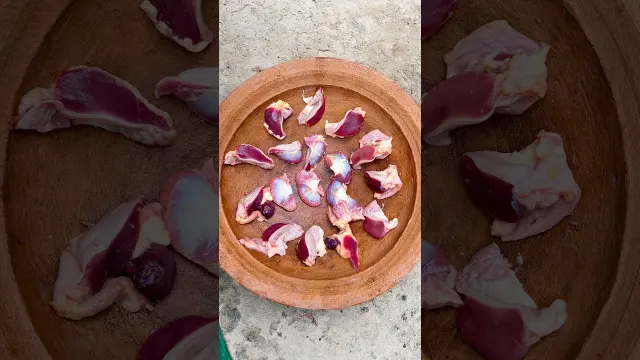 Simple Homemade Chicken Gizzard Masala Chilly Recipe
 Easy Homemade Chicken Spread Sandwich Recipe
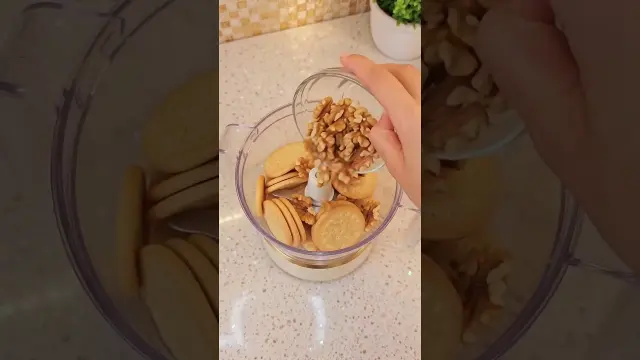 No-Bake Chocolate Walnut Truffle Balls Recipe
Get new #Homemade Recipe ideas by email
Every Thursday: the week's best ideas, with the newest from #Homemade Recipe.
Related tags
Homemade Recipes: Cooking from Scratch
What homemade cooking means
A homemade recipe is simply a dish made from ingredients you prepare yourself, rather than buying it ready-made. It can be as simple as a salad dressing, soup, cake, spread, or family meal. For many people, cooking at home is a way to control flavor, ingredients, and portion size, while also making everyday food feel more personal.
Homemade cooking has been part of kitchens for as long as people have been preparing food at home. It includes traditional family recipes passed down over time as well as simple everyday dishes created from whatever is available. Some recipes are carefully measured, while others are more flexible and leave room for taste and experience.
Common kinds of homemade recipes
Read more
Homemade recipes can cover almost anything you eat. Some of the most common kinds include:
- Breakfast foods such as porridge, pancakes, granola, and jam
- Baked goods such as bread, cookies, muffins, and cakes
- Savory dishes such as soups, stews, pasta sauces, and casseroles
- Spreads and sauces such as hummus, pesto, chutney, or chocolate spreads
- Preserved foods such as pickles, relishes, and fruit compotes
Many homemade recipes are valued because they can be adjusted easily. You can make them sweeter or less sweet, richer or lighter, mild or strongly seasoned, depending on your taste.
Basic techniques to know
If you are new to homemade cooking, it helps to start with a few simple skills:
- Measure ingredients carefully when baking, since ratios matter
- Taste as you go when cooking savory food, and adjust salt, acidity, or seasoning gradually
- Use fresh, clean utensils and surfaces to keep food safe and tidy
- Read the whole recipe before you begin, so you know the steps and timing
- Learn simple methods like stirring, whisking, folding, simmering, roasting, and blending
Some recipes are forgiving and easy to adapt, while others need more accuracy. Baking usually asks for more precision than soups or stews.
Helpful tips for beginners
If you are just starting out, keep things simple. Choose recipes with a short ingredient list and clear steps. Begin with dishes you already enjoy eating, because it is easier to notice when the flavor is right.
A few practical habits can make a big difference:
- Keep a few staple ingredients on hand, such as flour, eggs, oil, onions, garlic, rice, and basic herbs or spices
- Prepare ingredients before you start, so cooking feels calmer and more organized
- Start with smaller amounts when trying a new recipe
- Write down changes you make, especially if you want to repeat the result later
- Don’t worry if your first attempt is imperfect; homemade food often improves with practice
Why people enjoy homemade recipes
Homemade food often feels comforting and familiar. It can suit your family’s tastes, use up ingredients you already have, and make everyday meals feel more thoughtful. Whether you are baking something sweet or making a simple supper, homemade recipes invite you to cook in your own way and build confidence in the kitchen over time.
Videos come from YouTube and posts from Instagram; titles and summaries are our own. All rights belong to their creators.