 Seven Homemade Sauces Instead of Bottled Ones
#Homemade Sauce
2 ideas
Seven Homemade Sauces Instead of Bottled Ones
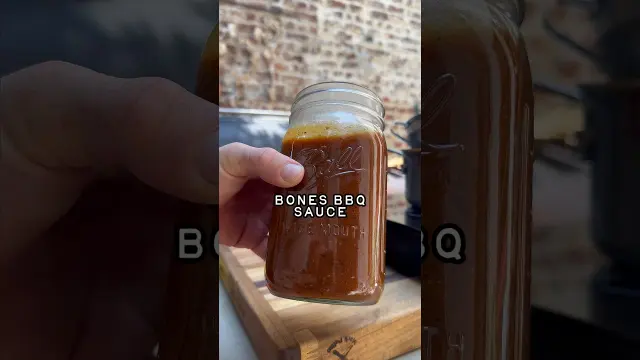 Homemade Texas Style BBQ Sauce Recipe
Get new #Homemade Sauce ideas by email
Every Thursday: the week's best ideas, with the newest from #Homemade Sauce.
Related tags
Homemade Sauce Guide
Homemade sauce is one of the simplest ways to add flavour, texture, and character to a meal. It can be sweet, savoury, tangy, creamy, spicy, or rich, and it is used with everything from vegetables and pasta to meat, fish, grains, and baked dishes. Making sauce at home gives you more control over taste and consistency, and it often makes everyday food feel more complete.
What homemade sauce is
At its core, a sauce is a liquid or semi-liquid mixture served with food or cooked into it. It may be built from a few basic ingredients such as stock, tomatoes, butter, oil, cream, herbs, spices, vinegar, or fruit. Some sauces are thin and pourable, while others are thick and cling to food. Some are meant to be cooked gently, while others come together with no heat at all.
Sauces appear in many cooking traditions around the world. They may be based on a simmered reduction, an emulsion, a purée, or a simple mixing of ingredients. The exact form changes from kitchen to kitchen, but the idea is the same: to improve flavour and bring a dish together.
Read more
Common kinds of homemade sauce
There are many broad styles of sauce, and each serves a different purpose.
- Tomato-based sauces: often used for pasta, pizza, casseroles, and braised dishes
- Cream-based sauces: smooth and rich, good with vegetables, chicken, fish, or pasta
- Butter-based sauces: simple and delicate, often finished with herbs or citrus
- Pan sauces: made from the juices left in a pan after cooking meat or vegetables
- Gravy-style sauces: thicker sauces for roasts, mashed potatoes, and savoury dishes
- Vinaigrettes and dressings: oil-and-acid mixtures for salads, grains, and vegetables
- Fruit sauces: sweet or tart sauces for desserts, pancakes, or roasted meats
- Barbecue-style sauces: typically bold, tangy, smoky, and slightly sweet
Basic techniques to know
Many sauces start with a flavour base. You might soften onion or garlic, toast spices, or melt butter before adding other ingredients. From there, a sauce can be thickened by simmering, by adding a starch, by reducing liquid, or by blending in ingredients that naturally add body.
A few simple ideas help a lot:
- Taste as you go, especially when using salt, acid, or spice
- Add liquid slowly so you can control the texture
- Simmer gently rather than boiling hard, unless the recipe needs it
- Finish with fresh herbs, lemon juice, vinegar, or a little butter for balance
- Strain or blend if you want a smoother result
What beginners should know
If you are new to making sauce, start with a short ingredient list and a clear purpose. A good homemade sauce does not need to be complicated. In fact, many of the best sauces rely on balance rather than quantity. Think about three things: salt, acid, and richness. When these are in harmony, the sauce usually tastes complete.
It also helps to match the sauce to the food. A light sauce can be lost on a hearty dish, while a heavy sauce may overpower something delicate. If the sauce seems too sharp, a little sweetness or fat may soften it. If it tastes flat, a small amount of salt or acid can bring it to life.
Practical tips
- Make a small batch first until you know the flavour you like
- Let the sauce rest for a few minutes before serving, if possible
- Keep leftovers in a clean, sealed container and cool them promptly
- Reheat gently to avoid separation or scorching
- Write down your changes so you can repeat a version you love
Homemade sauce is forgiving, creative, and useful in everyday cooking. Once you understand the basic building blocks, you can adapt them to almost any meal and make it feel more personal.
#Homemade Sauce: frequently asked questions
How do I start making homemade sauce if I have never done it before?
Begin with a short ingredient list and one clear job for the sauce, such as dressing pasta or spooning over vegetables. Build a simple flavour base first, then adjust texture and seasoning as you go rather than trying to nail it in one step. Making a small batch until you know what you like keeps the process relaxed and easy to repeat.
What basic ingredients should I keep on hand for making sauces?
A useful pantry covers the main building blocks: something liquid such as stock or tomatoes, a fat like butter or oil, and seasonings such as herbs, spices, vinegar, or citrus. Having a thickener on hand lets you adjust body without changing the flavour. With those basics you can move between creamy, tangy, and savoury styles without a special shopping trip.
Which kind of sauce should I choose for the meal I am making?
Match the weight of the sauce to the weight of the dish, since a light dressing disappears on a hearty roast while a rich creamy sauce can overwhelm something delicate. Think about what the food is missing, whether that is freshness, richness, or a bit of tang, and pick a style that fills that gap. Pan sauces are a practical choice when you have already cooked meat or vegetables and want to use what is left in the pan.
What should I do if my sauce tastes flat or too sharp?
Flatness usually means the sauce is out of balance, so try a small amount of salt or acid such as lemon juice or vinegar and taste again before adding more. If it tastes too sharp, a little sweetness or fat will soften the edge. Add in small increments, because it is much easier to correct an under-seasoned sauce than an over-seasoned one.
How do I store and reheat leftover homemade sauce?
Cool the sauce promptly, then keep it in a clean, sealed container so it stays fresh and does not pick up other flavours. Reheat it gently rather than bringing it to a hard boil, which helps prevent splitting or scorching. Stir as it warms and add a splash of liquid if it has thickened too much in the fridge.
What common mistakes should I avoid when making sauce at home?
Pouring in liquid all at once makes the texture hard to control, so add it gradually and stop when the sauce looks right. Boiling hard when a gentle simmer would do can break a sauce apart or make it taste dull. Finally, write down what you changed, so a version that worked well is easy to make again.
Videos come from YouTube and posts from Instagram; titles and summaries are our own. All rights belong to their creators.