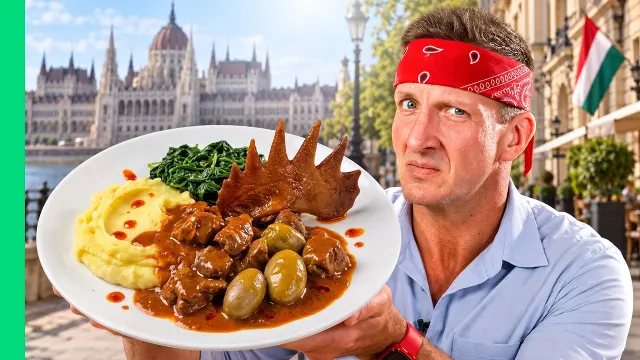
 Exploring traditional Hungarian cuisine in Budapest
#Hungarian Cuisine
1 ideas
Exploring traditional Hungarian cuisine in Budapest
Get new #Hungarian Cuisine ideas by email
Every Thursday: the week's best ideas, with the newest from #Hungarian Cuisine.
Related tags
Hungarian Cuisine: A Guide to Paprika, Stews and Tradition
Hungarian cuisine is the cooking of the Hungarian plains and hills, built around a few ingredients used with real conviction: paprika, onion, lard or oil, pork, potatoes, sour cream and a generous amount of patience. It is a hearty, deeply savoury tradition, shaped by a landlocked country with a strong pastoral past and by centuries of influence from neighbouring peoples, from Austria to the Balkans and beyond.
Paprika at the centre
If one ingredient defines the kitchen, it is paprika. The ground spice came to Hungary from the Americas and was gradually adopted by farmers and cooks until it became the national seasoning. It exists in grades from mild and sweet to hot and pungent, and the difference matters. A good cook adds it off the heat, stirred into fat with the onions, because paprika scorches easily and turns bitter. Sweet paprika brings colour and warmth; the hot kind is used sparingly, often alongside the mild.
Stews, soups and the Sunday table
Read more
Hungarian cooking divides neatly into a few families. Gulyás, known abroad as goulash, is a soup of meat, potatoes and vegetables, thickened with paprika rather than flour and often finished with tiny pinched pasta. Pörkölt is a thicker stew of meat and onions cooked slowly until the sauce clings. Halászlé is a river-fish soup, bright red with paprika and often eaten at gatherings by the water. Alongside these come stuffed cabbage, braised meats with dumplings, and simple vegetable dishes finished with sour cream.
Soups matter as much as main courses: a clear broth with vegetables and noodles, a cold sour-cherry soup in warm weather, a potato soup seasoned with paprika. Meals tend to be structured the classic way, soup first, then a main dish, then something sweet.
Street food and sweets
Beyond the restaurant table there is lángos, a flat, deep-fried dough served with sour cream and grated cheese, eaten at fairs and markets. Sweet baking is a whole tradition of its own: layered cakes, pastries filled with cottage cheese or fruit, walnut and poppy-seed rolls, and pancake-like palacsinta folded around jam or cocoa. Sweet and savoury often sit close together in the same kitchen.
What beginners should know
Start with a good-quality paprika and store it away from heat and light, since it fades quickly. Cook onions slowly in fat until soft and golden before adding the spice, and keep the heat low afterwards. Use cuts of meat that benefit from long cooking, and do not rush a stew: an hour more on the stove improves it. Sour cream should be tempered with a little hot sauce before it goes into the pot so it does not split. Taste as you go, since paprika varies in strength from jar to jar.
Above all, cook for a table rather than a plate. Hungarian food is generous and unhurried, best shared with bread, pickles and people who will stay for the sweet course.
#Hungarian Cuisine: frequently asked questions
How do I get started cooking Hungarian food at home?
Begin with the dishes built on the same simple base: onion softened slowly in fat, then paprika stirred in off the heat. Once you can handle that base confidently, a stew, a paprika soup and a sour-cream finish all become variations on it. Keep the first meals plain and generous rather than ambitious.
What should I keep in my pantry for Hungarian cooking?
Good paprika, onions, pork fat or oil, potatoes, sour cream and a little flour will carry you through most of the tradition. Add caraway, garlic, tomatoes and peppers for depth, and bread and pickles for the table. Nothing on the list is exotic, which is part of the appeal.
Which paprika should I choose, and how should I store it?
Sweet paprika gives colour and warmth and does most of the work, while the hot kind is used sparingly alongside it for a little bite. Buy the best you can find, because strength and freshness vary noticeably from jar to jar. Keep it away from heat and light, since it fades and dulls quickly once opened.
What are the most common mistakes when cooking Hungarian dishes?
The classic error is frying paprika in fat that is too hot, which scorches it and leaves the whole pot bitter. The second is rushing: stews made with tougher cuts need long, gentle cooking to turn rich and clinging. The third is dropping cold sour cream straight into a hot pot, so temper it with a little hot liquid first.
What dishes suit a gathering with friends or family?
A paprika soup or a river-fish soup to open, then a slow meat stew with dumplings or stuffed cabbage, follows the way Hungarians structure a meal. Lángos with sour cream and grated cheese works well for a casual, hands-on occasion. Finish with a folded pancake or a slice of a layered cake, and put bread and pickles on the table throughout.
How is a Hungarian meal actually structured?
It runs soup first, then a main dish, then something sweet, and the soup is treated as a proper course rather than a warm-up. Sweet and savoury also sit comfortably side by side in the same kitchen, so a fruit soup or a sweet pastry is not out of place. The rhythm is unhurried, with the table, not the individual plate, as the unit of hospitality.
Videos come from YouTube and posts from Instagram; titles and summaries are our own. All rights belong to their creators.