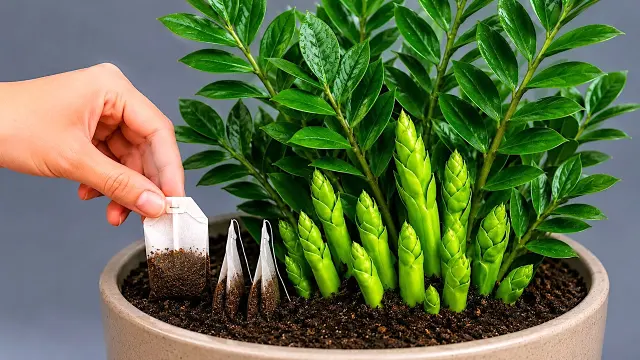
 ZZ Plant Care: Watering, Light and Fertilizer Tips for Beginners
#Indoor Gardening
3 ideas
ZZ Plant Care: Watering, Light and Fertilizer Tips for Beginners
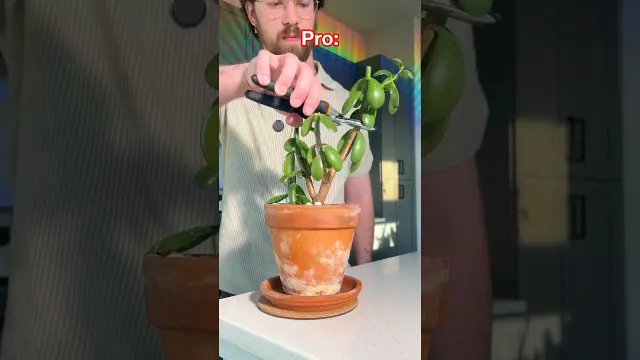 Beginner Versus Pro Plant Parent: Houseplant Care Compared
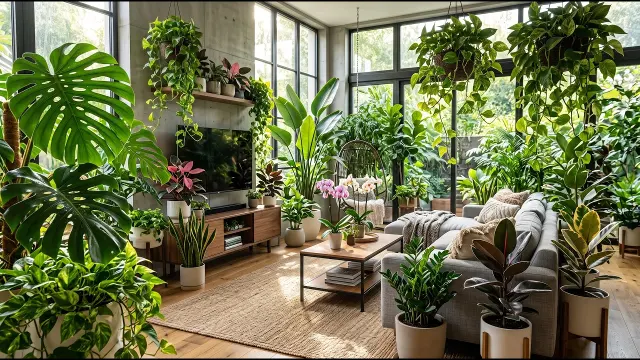 Twenty Popular Houseplants of 2026, From Pothos to Thai Constellation
Get new #Indoor Gardening ideas by email
Every Thursday: the week's best ideas, with the newest from #Indoor Gardening.
Related tags
Indoor Gardening: A Beginner's Guide to Growing at Home
Indoor gardening is simply the practice of growing plants inside the spaces you live in — on windowsills, in corners, along shelves, in pots on the floor. It borrows its techniques from horticulture and its logic from the plant's original habitat: a houseplant is usually a tropical or woodland species that happened to adapt well to a life in containers, away from wind, frost and full sun. People garden indoors for many reasons: to bring colour and texture into a room, to feel closer to the changing seasons, to have herbs within reach of the kitchen, or simply for the quiet, repetitive pleasure of caring for something that grows.
The most important thing to understand is that you are not really growing a plant — you are managing three things: light, water and roots.
Light decides almost everything
Before choosing a plant, look at where you would put it and watch how the light changes through the day. A south-facing window is bright and warm; east gives gentle morning sun; west gives strong afternoon light; north is dim and steady. Rooms are brighter close to glass and fall off quickly a metre or two inside. Most foliage plants that people keep indoors prefer bright, indirect light — enough to read a book comfortably by day. If a spot is dark, choose plants known to tolerate low light rather than pushing a sun-lover into shade.
Water is where beginners go wrong
More houseplants die from kindness than neglect. Roots sitting in wet compost suffocate and rot. Water when the top of the soil has dried to your fingertip, then water thoroughly until it runs out of the drainage holes, and tip away what collects in the saucer. Pots without drainage holes are for decoration only — keep the plant in a plastic nursery pot and drop it inside. Also remember that plants need less water in winter, when growth slows and light is scarce.
Read more
Soil and containers
Use a light, free-draining potting mix rather than garden soil, which compacts in a pot. Repot when roots circle the surface or emerge from the base, usually into a container only a little larger. Terracotta dries out faster; glazed ceramic and plastic hold moisture longer.
Humidity, temperature and air
Most houseplants come from humid places and cope with dry indoor air but grow better with it. Grouping plants together helps, as does keeping them away from radiators, draughts and cold glass in winter. Steady warmth matters more than any exact number.
Getting started
- Choose a small number of easy, forgiving plants and learn their signals.
- Inspect new plants for pests and keep them apart for a week or two.
- Wipe leaves occasionally so they can photosynthesise properly.
- Rotate pots now and then so growth stays even.
- Expect losses; every gardener has them, and they are how you learn.
Indoor gardening rewards attention rather than expertise. Watch, adjust, and let the plants tell you what they need.
#Indoor Gardening: frequently asked questions
How do I start with indoor gardening if I’ve never kept houseplants before?
Begin with a few forgiving plants and place them where they can get the right light. Learn to watch for signs like drooping, yellowing, or slow growth, and adjust watering and placement as needed. Starting small makes it easier to understand how indoor plants respond in your home.
What do indoor plants need most to stay healthy?
The main things to manage are light, water, and the roots. A good spot with suitable light, a free-draining potting mix, and careful watering usually matter more than anything else. Steady warmth and a bit of humidity also help many houseplants do well indoors.
How do I choose the right houseplant for my room?
Match the plant to the light in the room before anything else. Bright, indirect light suits many leafy plants, while darker spots call for varieties that can handle low light. It also helps to think about how much care you want to give and whether the plant will fit the space you have.
What is the most common mistake people make with indoor gardening?
Overwatering is one of the biggest problems, because roots can rot if they sit in wet soil for too long. Another common mistake is putting a plant in the wrong light, especially a sun-loving plant in a dim corner. Using a pot without drainage can also cause trouble.
How should I care for indoor plants as the seasons change?
Plants usually need less water when growth slows and light levels drop, especially in cooler months. It also helps to keep them away from radiators, cold windows, and strong drafts. Wiping the leaves and rotating the pot now and then can support even growth and healthy-looking foliage.
Videos come from YouTube and posts from Instagram; titles and summaries are our own. All rights belong to their creators.