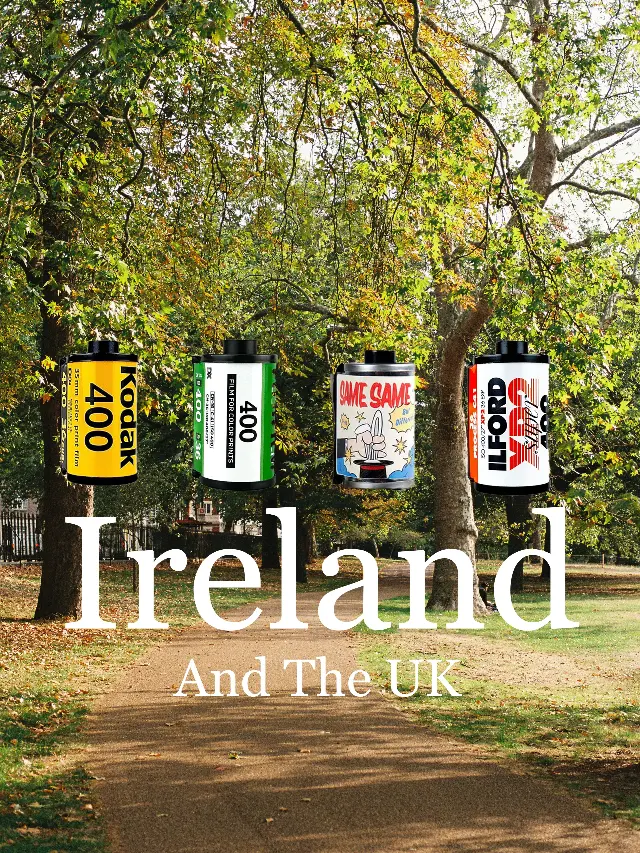
 A Cinematic Journey Through Ireland and the UK on Film
#Ireland
1 ideas
A Cinematic Journey Through Ireland and the UK on Film
Get new #Ireland ideas by email
Every Thursday: the week's best ideas, with the newest from #Ireland.
Related tags
Ireland Guide: Culture, Landscapes and Traditions
Ireland at a glance
Ireland is an island in northwestern Europe, known for its green landscapes, long literary tradition, music, folklore, and strong local identity. It is often associated with rolling countryside, dramatic coastlines, historic towns, and a warm social culture centered around conversation, hospitality, and community. For many people, Ireland also means a mix of old and new: ancient sites, medieval streets, lively cities, and modern creative life.
What Ireland is known for
Ireland has a deep cultural heritage shaped by Celtic traditions, Christianity, centuries of settlement, and a history closely tied to the sea. You’ll often find traces of this past in round towers, stone crosses, castles, abbeys, and archaeological sites. Folklore and storytelling are also an important part of Irish culture, with legends, songs, and local customs passed down over time.
Read more
The country is also famous for its natural scenery. Soft green fields, lakes, cliffs, mountain ranges, and Atlantic coastlines give Ireland a distinctive look in every season. Weather can change quickly, which is part of the experience, so the landscape often feels fresh and atmospheric.
Cities, towns, and rural life
Ireland’s cities are usually compact and easy to explore, with a mix of historic architecture, museums, shops, cafes, and cultural spaces. Smaller towns often offer a quieter pace, with colorful streets, local markets, and traditional pubs that serve as social meeting places. In the countryside, daily life is shaped by farming, outdoor space, and close-knit communities.
If you’re visiting, it helps to balance urban and rural experiences. A city can give you museums and nightlife, while the countryside offers scenery, walking routes, and a slower rhythm. Both are central to understanding the country.
Traditions and culture
Irish culture is closely connected to music, dance, literature, and language. Traditional music is often played in informal settings, where instruments, singing, and storytelling come together naturally. Literature has an especially strong place in Irish identity, and reading, poetry, and spoken word remain important cultural forms.
The Irish language is part of the country’s heritage as well. While English is widely spoken, Irish still has cultural significance and is visible in place names, signs, and education. You may also notice a strong sense of local pride, with traditions varying from place to place.
Practical tips for visitors
- Dress in layers, since the weather can shift through the day.
- Bring comfortable shoes if you plan to walk in towns or countryside.
- Allow time for slower travel, especially on smaller roads.
- Be open to conversations; friendliness is a big part of the experience.
- If you want to understand Ireland well, mix well-known sights with everyday places.
A lasting impression
Ireland is a place where history, landscape, and daily life are closely intertwined. Whether you are drawn to its scenery, its culture, or its stories, the country rewards unhurried exploration. The more time you spend there, the more its quiet details begin to stand out.
#Ireland: frequently asked questions
How should I start planning a trip to Ireland?
Begin by deciding how much of the country you want to cover and whether you lean more toward cities or countryside, since the two give very different experiences. Ireland rewards unhurried travel, so it is usually better to choose a smaller area and explore it properly than to rush from sight to sight. Build in some flexibility, because weather and small roads can slow things down.
What should I pack for Ireland?
Layers are the single most useful approach, since the weather can shift several times in a day and a sunny morning may turn wet by afternoon. Bring comfortable, already-broken-in walking shoes for towns and countryside paths, plus something light and waterproof you can keep with you. A warm mid-layer covers cool evenings without taking up much space.
Should I choose cities or the countryside?
Both matter, and the best trips mix them rather than picking one. Cities are compact and easy to walk, with museums, cafes and evening life, while rural areas offer scenery, walking routes and a slower rhythm. Giving each a proper share of your time is what makes the country feel complete rather than one-sided.
What is the best way to experience Irish culture while visiting?
Look for traditional music in informal settings rather than staged shows, since songs and storytelling often come together naturally in small pubs and local gatherings. Talk to people — friendliness and conversation are a real part of the experience, not just a pleasant extra. Noticing place names and signs in Irish is another easy way into the country's heritage.
What mistakes do first-time visitors to Ireland usually make?
The most common one is over-scheduling, treating long distances on smaller roads as if they were quick motorway hops. Another is staying only in well-known sights and skipping ordinary towns, markets and local pubs where everyday life actually happens. Underestimating the weather and packing too lightly for rain and wind is a third.
Is Ireland a good destination for a short break?
Yes, because cities are compact and easy to explore on foot, so even a short stay covers a lot without rushing. If your time is limited, pick one city and one nearby rural area rather than trying to span the whole island. Keeping the plan simple usually leaves more room for the conversations and quiet details that people remember.
Videos come from YouTube and posts from Instagram; titles and summaries are our own. All rights belong to their creators.