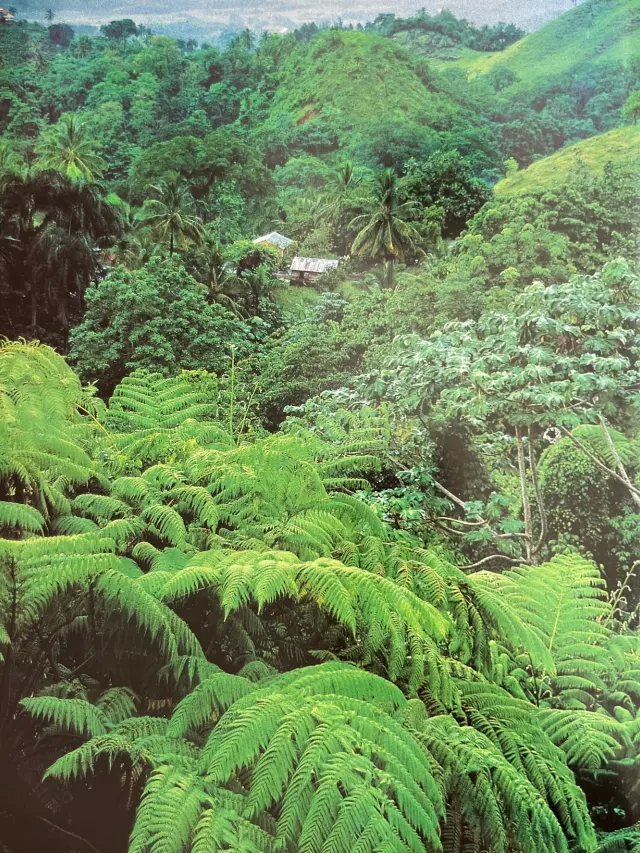
 Vintage Photographic Book Capture of the Dominican Republic
#Island
1 ideas
Vintage Photographic Book Capture of the Dominican Republic
Get new #Island ideas by email
Every Thursday: the week's best ideas, with the newest from #Island.
Related tags
Islands: What They Are and How to Enjoy Them
An island is simply a piece of land with water on every side, smaller than a continent. That plain definition hides a lot of variety. Some islands are the tops of mountains standing in the sea, others are flat rings of sand barely above the tide, and others are fragments of a continent that drifted away or were cut off when the water rose. The word itself comes from an old Germanic root meaning "water land", which is a fair description of how most of them feel: places defined as much by the sea around them as by the ground underfoot.
How islands come to be
Most islands fall into a few broad families, and knowing which one you are looking at explains a great deal about it.
- Continental islands are pieces of a continent left standing above the water, often sharing its rocks, plants and animals. They tend to be larger and more varied.
- Volcanic islands are built up from the seafloor by eruptions. Young ones are steep, dark and rocky; older ones wear down, collect soil and grow green.
- Coral islands are low and flat, made of reef material and sand. They are beautiful and fragile, with little fresh water and little shelter from weather.
- Barrier islands are long, narrow strips of sand running alongside a coast, constantly nudged and reshaped by currents and storms.
Read more
What islands are used for
Islands are refuges: for seabirds and seals, for plants and insects found nowhere else, and often for people who want distance from the mainland. They host fishing villages, lighthouses, small farms, research stations and quiet places to stay. Because they are isolated, they tend to develop in their own way, and many have cultures and languages shaped by the sea.
If you are visiting one for the first time
- Carry your own water and ask before using a local supply. Fresh water on small islands is genuinely limited.
- Check the tide before you walk a causeway, a sandbar or a rocky shore. Ground that is dry in the morning can be deep by afternoon, and the sea deserves respect.
- Expect weather to change quickly, since there may be no hills to slow it down.
- Treat boat and ferry schedules as approximate. Crossings can depend on wind and swell, so build in slack and never plan on the last one.
- Take your rubbish back with you, keep your distance from nesting birds and resting animals, and stay on marked paths where the ground is thin and easily worn.
Travel gently
Island communities are small, and the food, fuel and goods they rely on usually arrive by boat. Buying from local shops and growers, asking before you photograph people or their homes, and accepting that things move at the pace they move all help more than they might seem to. An island rewards patience. The point of being surrounded by water is that you cannot hurry past it.
#Island: frequently asked questions
How do I start planning a first trip to an island?
Begin with the practicalities that islands make difficult: how you will arrive, where you will sleep, and how supplies reach the place. Then build your days around the weather and the water rather than a fixed schedule, since crossings and tides set the pace. Leaving slack in the plan is the single most useful thing you can do.
What should I pack or arrange before I go?
Bring your own drinking water or ask first before drawing on a local supply, because fresh water on small islands is genuinely scarce. Pack for fast-changing weather, including wind and rain protection, and carry out everything you bring in. A little cash and a backup plan for the boat back matter more than extra luggage.
Which kind of island should I choose?
The type of island shapes the whole experience, so it helps to know what you are picking. Continental islands tend to be larger and more varied, volcanic ones are steeper and more dramatic, coral islands are flat and fragile with little shelter, and barrier islands are narrow strips shaped by currents and storms. Match the landscape to what you actually want to do there.
How do I visit an island responsibly and leave it as I found it?
Buy from local shops and growers, ask before photographing people or their homes, and accept that things move at their own pace. Take your rubbish back with you, keep well away from nesting birds and resting animals, and stay on marked paths where the ground is thin and easily worn. Small communities feel every bit of difference, in both directions.
What are the most common mistakes first-time visitors make?
The usual ones are underestimating the tide, trusting a ferry schedule as if it were fixed, and assuming water will be easy to find. Walking a causeway or sandbar without checking the tide can turn a dry path into a deep one within hours, and weather can shift quickly with no hills to slow it down. Never plan around the last crossing of the day.
Why are islands so different from one another?
Because they form in different ways, which explains much of what you see on them. Some are pieces of a continent left standing above the water, some were built up from the seafloor by eruptions, some are low rings of reef sand, and some are long strips nudged along a coast by currents. That isolation also lets each develop its own plants, animals and culture over time.
Videos come from YouTube and posts from Instagram; titles and summaries are our own. All rights belong to their creators.