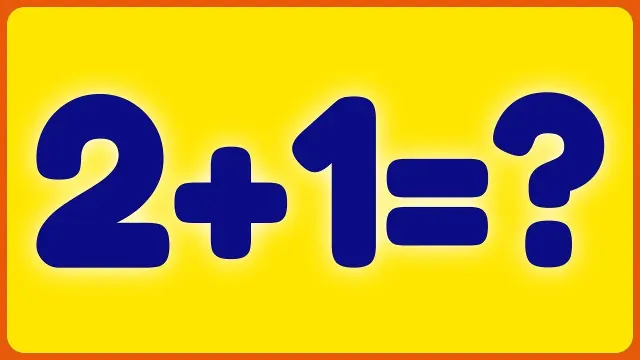
 Slime Math Quiz for Kindergarten Addition Practice
#Kindergarten Math
12 ideas
Slime Math Quiz for Kindergarten Addition Practice
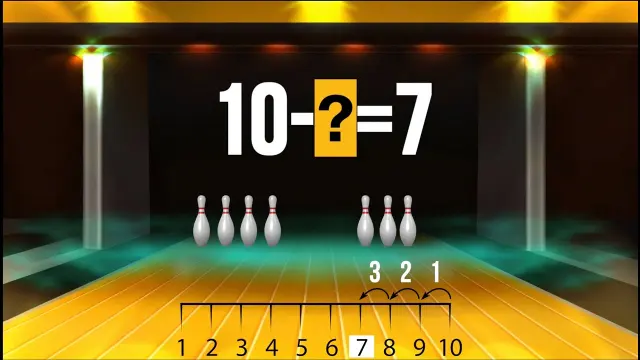 Bowling Math Adventure Missing Number Subtraction for Kids
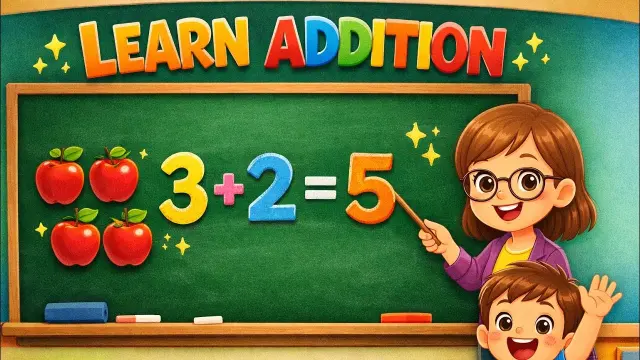 Basic Addition for Kids with Fun Counting Examples
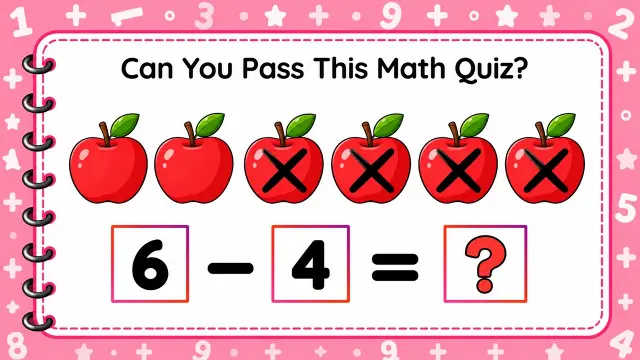 Fun Subtraction Quiz and Picture Math Game for Kids
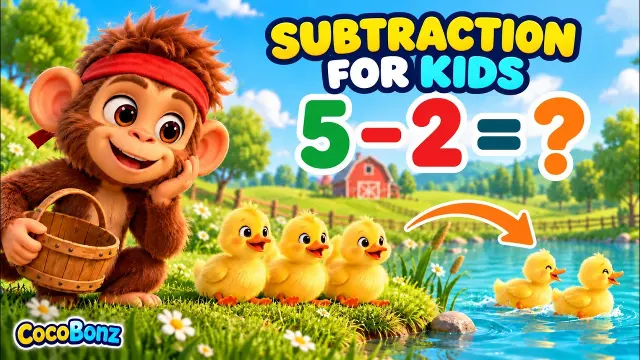 Farm Animal Subtraction Practice Within Ten for Preschoolers
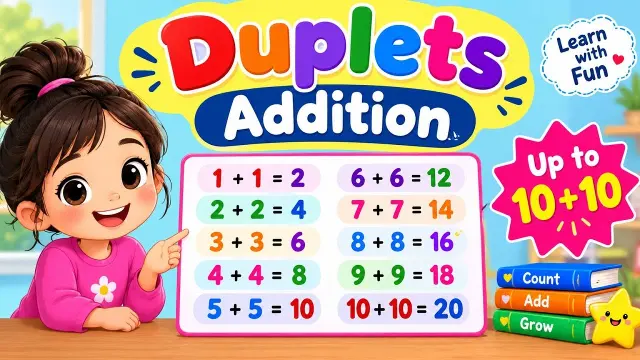 Doubles Addition for Kids from 1+1 to 10+10
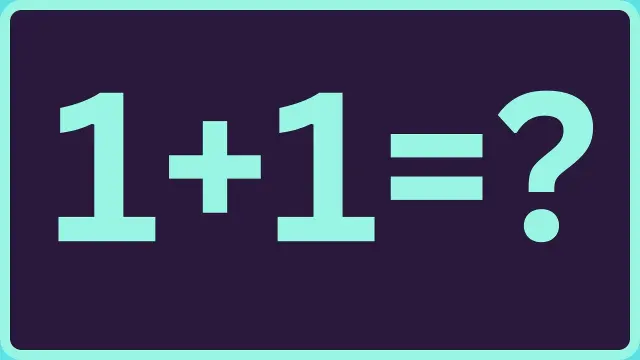 Simple Addition Practice and Quiz for Kindergarten Kids
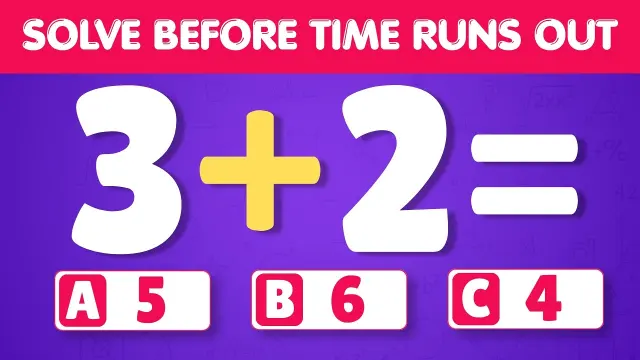 Addition Quiz for Kindergarten and Grade 1
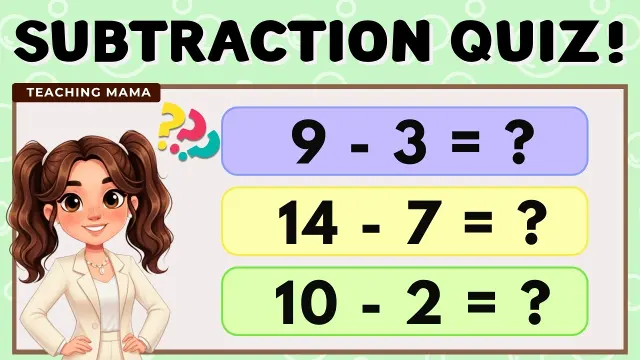 Basic Subtraction Math Quiz Activity for Young Learners
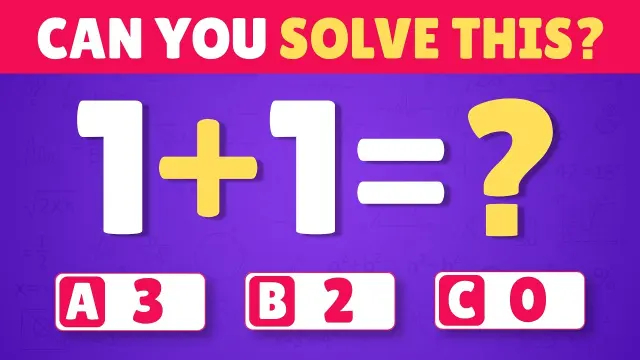 Mixed Math Quiz for Kindergarten Elementary Practice
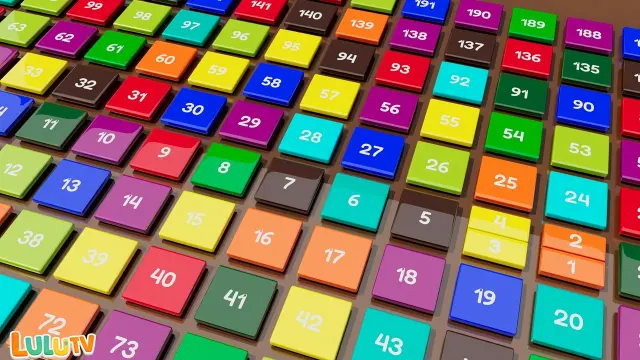 The Big Count Numbers Song 1 to 200 for Kids
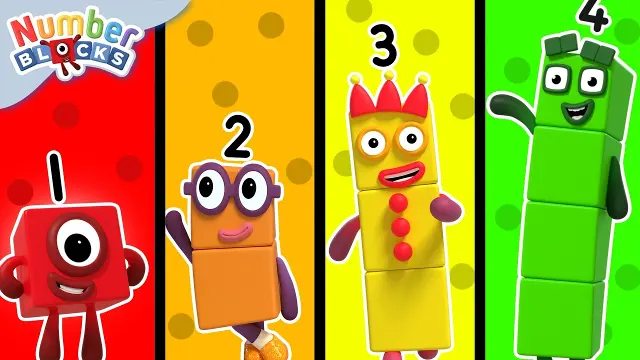 Numberblocks Counting and Early Math Skills for Kindergarten
Get new #Kindergarten Math ideas by email
Every Thursday: the week's best ideas, with the newest from #Kindergarten Math.
Related tags
Kindergarten Math Basics and Activities
What kindergarten math means
Kindergarten math is the beginning of formal number learning. It helps young children understand numbers, quantities, shapes, patterns, and simple problem-solving in ways that feel concrete and playful. At this age, math is less about worksheets and more about building a strong sense of how numbers work in everyday life.
Children usually learn best through touching, moving, sorting, counting, and talking about what they notice. That is why blocks, toys, fingers, pictures, songs, and simple games are often part of early math learning. The goal is not speed. It is confidence, curiosity, and understanding.
The main skills children begin to learn
Read more
A typical kindergarten math foundation includes:
- Counting objects in order
- Recognizing written numbers
- Understanding that the last number counted tells “how many”
- Comparing quantities such as more, less, and the same
- Making simple addition and subtraction with objects or pictures
- Recognizing basic shapes
- Sorting and classifying by color, size, shape, or type
- Copying and creating simple patterns
- Understanding position words such as above, below, next to, and between
- Beginning to tell time in simple everyday ways
These skills support later work with calculation, measurement, and problem-solving. They also help children make sense of the world around them.
How children usually learn best
In kindergarten, math should feel hands-on. Young children often understand a concept first when they can see and touch it. For example, counting buttons or snacks can help a child connect a number word with a real quantity. Picturing objects in a row can help with comparison and early addition.
Short, repeated practice usually works better than long lessons. Children also benefit from hearing math language often. Words like first, next, more, fewer, equal, corner, circle, and pattern become easier to understand when they are used naturally during play and daily routines.
Simple ways to support early math
You do not need special materials to help a child learn kindergarten math. Everyday moments are full of opportunities.
- Count steps while walking
- Sort laundry by color or size
- Name shapes in the house or outdoors
- Compare who has more crackers or toys
- Build patterns with blocks, beads, or claps
- Ask your child to put three forks on the table
- Talk about what comes before and after in a small number set
- Play simple board games that involve counting spaces
Try to keep it positive and relaxed. If a child makes a mistake, gently model the correct answer and let them try again. Repetition is part of learning.
What to keep in mind
Every child learns at a different pace. Some children quickly recognize numbers, while others need more time to count objects accurately or understand patterns. Both are normal. A strong early math foundation grows from patient practice, everyday conversation, and a lot of playful exploration.
If you focus on understanding rather than memorizing, your child is more likely to feel comfortable with math later on.
Videos come from YouTube and posts from Instagram; titles and summaries are our own. All rights belong to their creators.