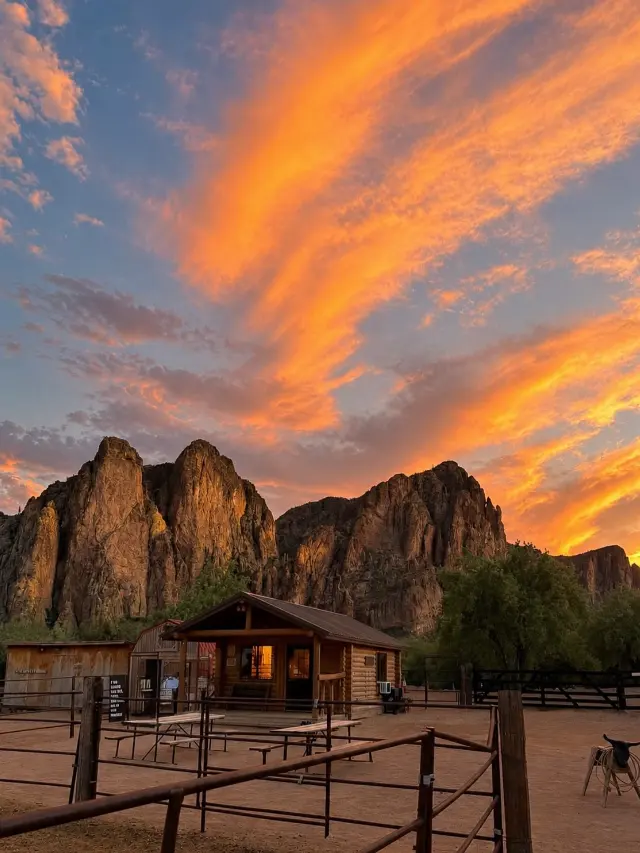
 Taking in a vibrant and colorful Arizona sunset
#Landscape Inspiration
2 ideas
Taking in a vibrant and colorful Arizona sunset
Get new #Landscape Inspiration ideas by email
Every Thursday: the week's best ideas, with the newest from #Landscape Inspiration.
Related tags
Landscape Inspiration for Gardens and Outdoors
Landscape inspiration is the art of finding ideas for shaping outdoor spaces so they feel beautiful, practical, and in harmony with their surroundings. It can apply to a small front garden, a patio, a larger yard, or even a public space. The idea comes from long-standing traditions of garden design, where people have balanced nature, structure, and personal taste to create places for rest, movement, and enjoyment.
At its heart, landscape design is about arranging the land, plants, and built features so they work together. Some landscapes are meant to look soft and natural, with flowing paths, layered planting, and a relaxed feel. Others are more formal, with clear lines, symmetry, clipped hedges, and defined spaces. Many outdoor spaces combine both approaches. You might also take inspiration from a particular setting, such as a cottage garden, a dry garden, a woodland edge, a courtyard, or a coastal space.
Common landscape styles
- Formal gardens: structured layouts, repeated shapes, and balanced planting
- Naturalistic gardens: loose planting, irregular lines, and a more spontaneous look
- Cottage gardens: abundant flowers, mixed textures, and an informal charm
- Modern landscapes: simple forms, limited materials, and clean geometry
- Mediterranean-style spaces: sun-loving plants, gravel, stone, and drought-friendly design
- Woodland gardens: shade-tolerant planting, layered greenery, and a calm atmosphere
Read more
What to look for
When you seek landscape inspiration, notice how a space feels as much as how it looks. Pay attention to:
- The overall shape of the garden or site
- How paths move through the space
- The balance between open areas and planted areas
- Changes in height, such as borders, steps, walls, or trees
- Colour, texture, and seasonal interest
- Where shade, sunlight, and shelter naturally fall
A good landscape often looks pleasing from more than one angle. It also feels easy to use. A seating area should be comfortable, a path should make sense, and planting should suit the conditions rather than fight them.
Practical tips for beginners
If you are starting from scratch, begin with the site itself. Observe where water collects, where the sun reaches, and which areas feel exposed or enclosed. Then decide what you want the space to do. Do you want a quiet place to sit, room for entertaining, a play area, or planting beds that are easy to maintain?
- Start with simple shapes before adding detail
- Repeat a few plants or materials to create calm
- Match plants to soil, light, and climate
- Use paths and edges to give the space structure
- Leave room for growth, especially with shrubs and trees
- Think in layers: ground cover, mid-height planting, and taller focal points
Landscape inspiration works best when beauty and function support each other. You do not need a large garden or a perfect plan to begin. Often, the strongest outdoor spaces grow from a few clear ideas, repeated thoughtfully and adjusted to the character of the place.
#Landscape Inspiration: frequently asked questions
How do I start finding landscape inspiration for my own outdoor space?
Begin by studying the site itself before you look at pictures: notice where the sun falls, where water pools, and which corners feel sheltered or exposed. Then decide what you want the space to do — sit quietly, entertain, play, or simply look good from the kitchen window. Only after that should you collect ideas, and you will find you filter them far better because you know what you are looking for.
What do I need to plan a landscape from scratch?
You need a clear sense of the space's shape, its light and soil conditions, and the practical jobs it must do. From there, work with simple shapes and a limited palette of plants and materials rather than many competing ideas. A rough sketch of paths, seating, and planting areas is usually enough to begin and saves a lot of expensive second-guessing later.
Which landscape style should I choose?
Choose a style that suits both the setting and how you live — a formal layout with clipped hedges asks for regular upkeep, while a naturalistic or woodland approach is more forgiving and blends into surrounding greenery. Cottage and Mediterranean styles depend heavily on climate and soil, so match them to your conditions rather than forcing them. Many good gardens mix a structured framework with looser planting inside it.
How do I care for a landscape once it is planted?
Most of the work is in the first few seasons: water new planting until it establishes, keep edges and paths clear, and remove weeds before they seed. After that, match your routine to what you planted — clipped forms need regular trimming, while loose planting needs mainly seasonal cutting back. Let the garden tell you what it needs by watching how plants respond to the light and soil you have.
What are common mistakes beginners make with landscape design?
The most frequent one is buying plants before deciding what the space is for, which leads to a crowded, hard-to-use garden. Another is ignoring the site — putting sun-lovers in shade or fighting drainage instead of working with it. Planting too close together and forgetting how large shrubs and trees will eventually grow causes problems that are tedious to undo.
How can I get ideas for a specific look, like a colourful sunset-inspired space?
Borrow from the mood rather than copying it literally: warm-toned flowers, grasses that catch low light, and gravel or stone that reflects the glow of evening. Use a few repeated colours in layers, from ground cover up to taller focal plants, so the effect reads clearly from a distance. The same principle works for any theme you want to bring into a garden.
Videos come from YouTube and posts from Instagram; titles and summaries are our own. All rights belong to their creators.