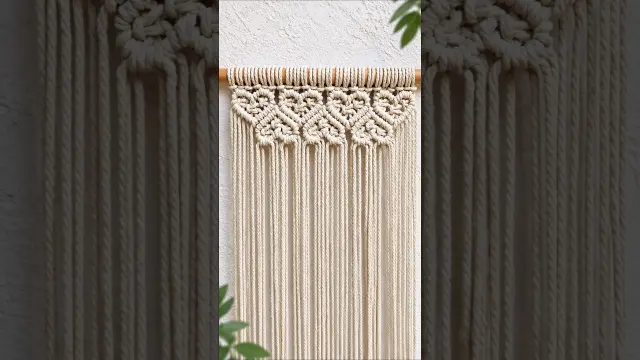
 Macrame Lark's Head Knot Tutorial
#Macrame
12 ideas
Macrame Lark's Head Knot Tutorial
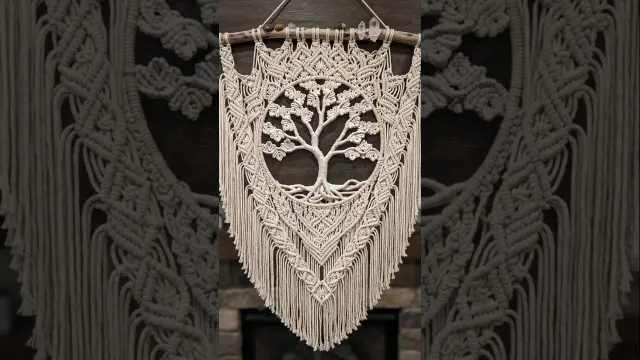 Macrame Tree of Life Wall Hanging
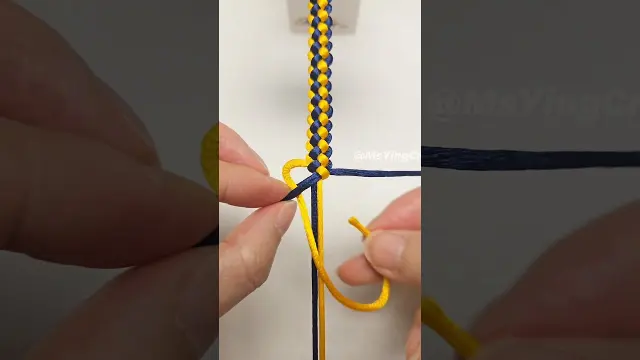 Easy Spiral Macrame Knot Tutorial
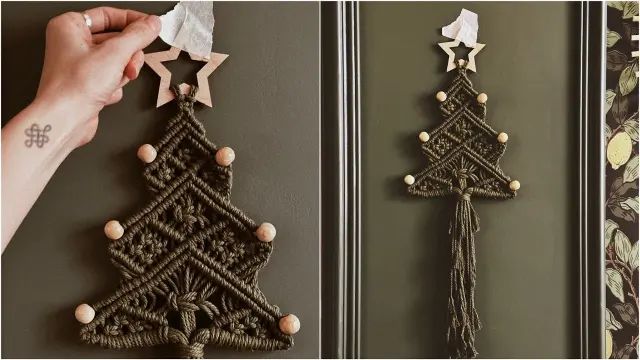 The Easiest DIY Macrame Christmas Tree
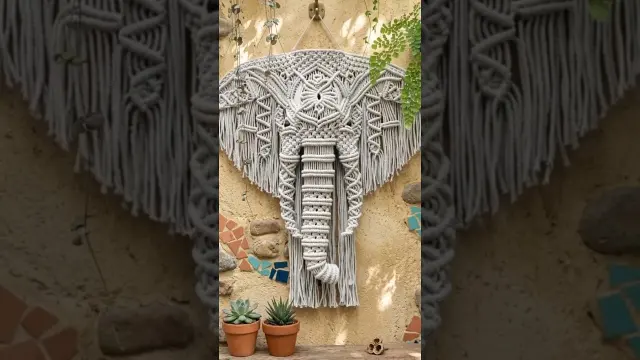 Cute Macrame Animal Wall Hangings
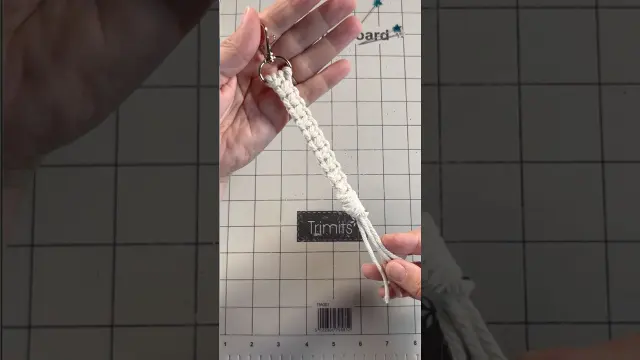 Quick and Easy Macrame Square Knot Keychain
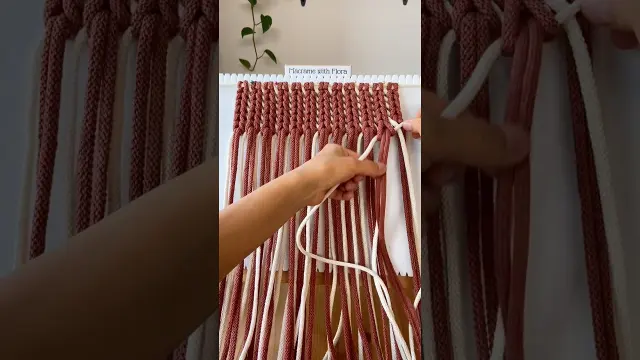 Dimensional Braid Macrame Pattern Overview
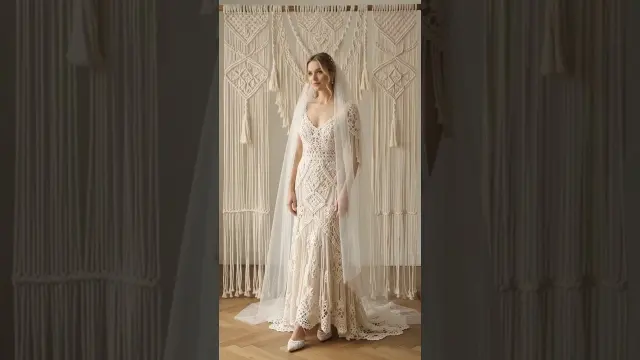 Boho Bridal Magic With Macrame and Crochet
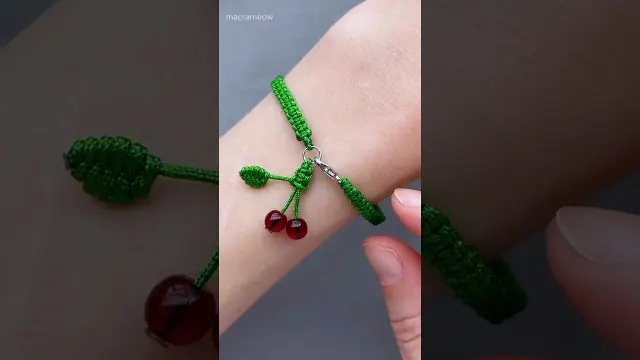 Cute Cherry Macrame Bracelet Tutorial
 Macrame Christmas Tree Ornament Easy DIY
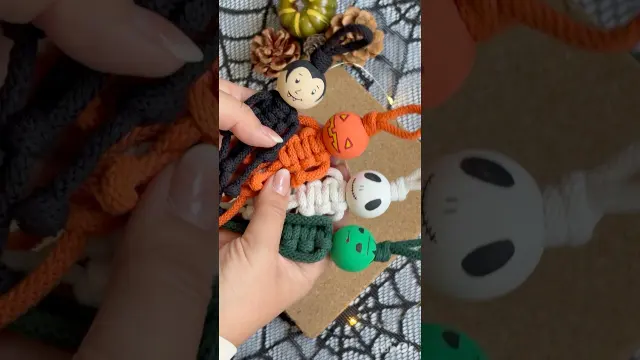 DIY Macrame Frankenstein Doll Halloween Tutorial
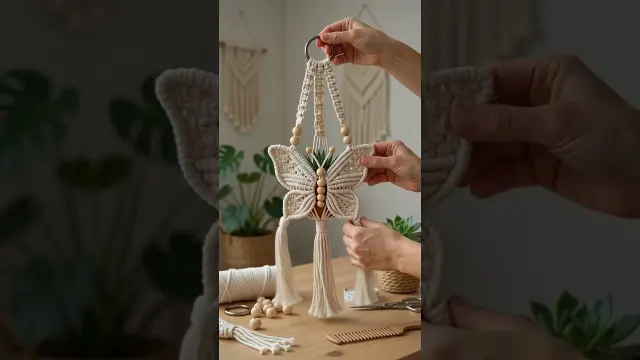 Butterfly Shaped Hanging Planter DIY Craft
Get new #Macrame ideas by email
Every Thursday: the week's best ideas, with the newest from #Macrame.
Related tags
Macrame: Knotted Decor and Handmade Textiles
Macrame is the art of making patterns by knotting cords, rather than weaving or knitting them. It has a long history in many parts of the world, where hand-tied knots were used for both practical and decorative purposes. Today, macrame is best known for its soft, textured look in home decor, accessories, and plant hangers, but it can also be used for wall hangings, bags, curtains, and small gifts.
What macrame is made of
Macrame is usually worked with cord, rope, twine, or yarn that holds its shape well. The choice of material changes the finished look. Thicker cords create bold, sculptural pieces, while finer cords give a lighter and more delicate result. Natural fibers often suit a relaxed, handmade style, while smoother cords can look more refined and neat.
Common knots and styles
Read more
A few basic knots form the foundation of most macrame work. Once you learn them, many patterns become much easier to follow.
- The square knot is one of the most common and useful knots.
- The half knot creates a twisted effect.
- The lark’s head knot is often used to attach cords to a dowel, ring, or bar.
- The double half hitch is helpful for building lines, curves, and detailed shapes.
Macrame styles range from simple, open designs to dense, layered patterns. Some pieces focus on symmetry and geometry, while others are more free-form and relaxed. Fringes, braids, and wrapped sections are often added for texture.
What macrame is used for
Macrame is popular in home decoration because it adds warmth and handmade character to a room. You might see it in wall hangings, plant holders, table decorations, curtain panels, mirror frames, or chair accents. It is also used for wearable and practical items such as belts, key rings, bags, and jewelry. Because the technique is so flexible, it works well for both large statement pieces and small everyday objects.
Getting started
If you are new to macrame, begin with a simple project and a limited number of knots. It helps to practice each knot separately before starting a full pattern. Keep your cords organized, because tangles can make the work frustrating. Measuring carefully also matters, since cord length can be difficult to judge at first.
A few helpful habits make the process smoother:
- Choose a project that matches your skill level.
- Work on a stable surface or hang your piece at a comfortable height.
- Keep tension even so the knots look consistent.
- Trim cords only after checking the shape of the finished piece.
Practical tips
Macrame rewards patience more than speed. Small changes in knot tension can affect the final design, so it is worth working slowly and adjusting as you go. If a piece does not look even, it is often possible to loosen and redo sections before the work gets too large. As you gain confidence, you can combine simple knots in new ways and begin creating your own patterns.
Macrame is satisfying because it turns a few cords and a series of knots into something decorative and useful. Whether you want a calm creative hobby or a way to make handmade home details, it is a craft that grows naturally with practice.
Videos come from YouTube and posts from Instagram; titles and summaries are our own. All rights belong to their creators.