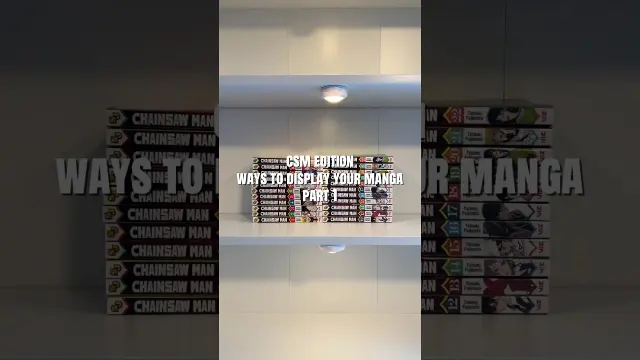
 Creative Ideas and Ways to Display Your Manga Collection at Home
#Manga
3 ideas
Creative Ideas and Ways to Display Your Manga Collection at Home
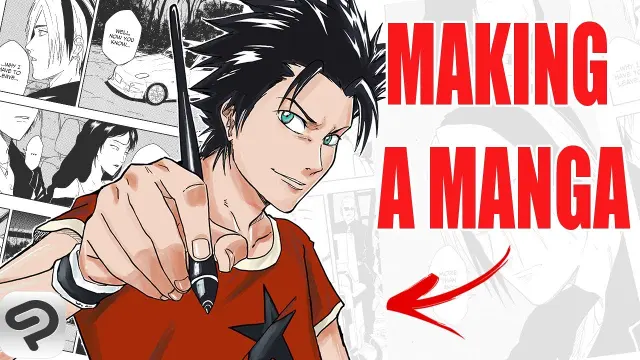 The Ultimate Guide to Creating a Manga Page
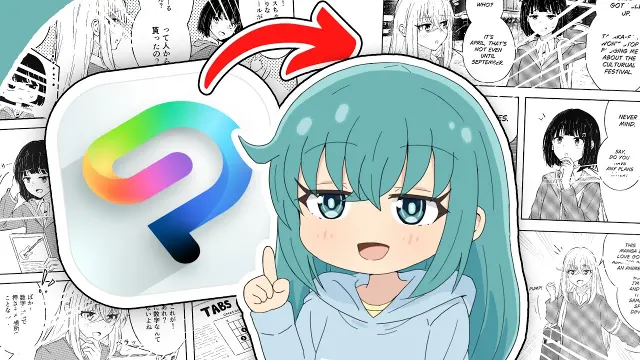 How to Create Manga With Clip Studio Paint
Get new #Manga ideas by email
Every Thursday: the week's best ideas, with the newest from #Manga.
Related tags
Manga: An Introduction to Japanese Comics
What manga is
Manga is the Japanese tradition of comics and illustrated storytelling. It covers a very wide range of subjects, from adventure and romance to fantasy, mystery, everyday life, and humour. Like other comics, manga uses panels, speech bubbles, and sequential art to tell a story, but it has its own visual language and pacing.
Manga developed in Japan over time from earlier picture storytelling, popular prints, and magazine culture. Today, it is a broad form rather than a single style. Some manga are dramatic and highly expressive, while others are quiet and realistic. Some are designed for children, some for teenagers, and some for adults. Because of this, manga can feel very personal and intimate, even when the story is large in scale.
Common styles and kinds
Read more
Manga is often grouped by audience or tone, but the boundaries are not strict. You will find fast-paced action stories, gentle slice-of-life scenes, fantasy worlds, school stories, historical settings, and many other kinds. The art can vary just as much. Some artists use clean lines and simple shapes, while others use dense shading, detailed backgrounds, and elaborate costume design.
A few features are especially common:
- Strong facial expressions to show emotion clearly
- Careful use of panel size and layout to control rhythm
- Motion lines, speed effects, and visual symbols to suggest movement or mood
- Black-and-white artwork with rich contrast, though colour is also used in some cases
If you are reading manga for the first time, pay attention to how the artist guides your eye from panel to panel. The layout is part of the storytelling, not just the decoration.
If you want to draw manga
You do not need to copy one fixed style to “do manga correctly.” A good manga page combines clear storytelling, expressive characters, and a sense of flow. Start with simple tools and basic habits:
- Learn figure drawing and proportions first, then adapt them into your own style
- Practice facial expressions, hand positions, and body language
- Use thumbnails to plan the page before drawing details
- Think about where the reader’s eye should go next
- Keep backgrounds simple when needed so the action stays clear
It also helps to study composition. Close-ups can create emotion, while wide shots can establish place or scale. Varying panel shapes and sizes can make a page feel calm, tense, or energetic. Even a simple scene becomes stronger when the placement of each panel supports the story.
Getting started as a reader or artist
If you are new to manga, give yourself time to understand its rhythm. Read slowly at first and notice how scenes build across pages. If you want to create your own, begin with short stories or single scenes rather than a long series. That lets you practice pacing, character design, and page layout without getting overwhelmed.
Above all, manga rewards clarity and feeling. Whether you are reading it or drawing it, focus on the story you want to tell and how each image helps tell it.
#Manga: frequently asked questions
How do I start reading manga if I’m completely new to it?
Start with a story that matches a genre you already enjoy, such as romance, adventure, mystery, or slice-of-life. Read slowly at first and pay attention to how each panel leads into the next, since the layout is part of the storytelling.
What do I need to begin drawing manga?
You can begin with very simple tools and focus on clear storytelling rather than perfect technique. It helps to practice basic figure drawing, expressions, hand poses, and page thumbnails before adding details.
Which manga style should I choose for my own project?
There is no single correct manga style, because manga can be dramatic, realistic, playful, or highly stylized. Choose the approach that best fits your story and audience, then keep the characters, pacing, and page flow consistent.
How can I make my manga pages easier to read?
Use panel order, panel size, and composition to guide the reader’s eye naturally across the page. Clear faces, strong body language, and simple backgrounds when needed can make the action much easier to follow.
What are some good manga ideas for a short project?
Short scenes work well for practice, especially everyday moments, a small mystery, a character conversation, or a simple fantasy idea. These formats let you focus on pacing, emotion, and page layout without needing a large cast or a long plot.
What common mistakes should I avoid when creating manga?
A common mistake is making the page look crowded so the story becomes hard to follow. It also helps to avoid relying only on character faces and to remember that backgrounds, panel flow, and body language all support the storytelling.
Videos come from YouTube and posts from Instagram; titles and summaries are our own. All rights belong to their creators.