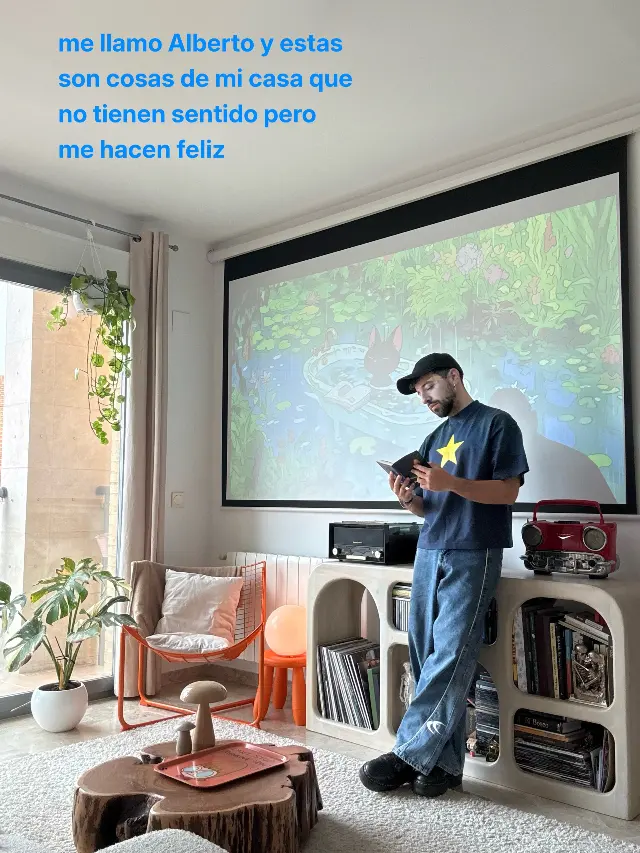
 Playful and Quirky Home Decor Elements
#Maximalism
13 ideas
Playful and Quirky Home Decor Elements
Get new #Maximalism ideas by email
Every Thursday: the week's best ideas, with the newest from #Maximalism.
Related tags
Maximalism in Home Decor
Maximalism is a decorating style built on abundance, expression, and personality. Instead of relying on restraint and empty space, it celebrates layers: color, pattern, texture, artwork, collections, and objects that tell a story. It has roots in older decorative traditions, from richly furnished interiors to eclectic collecting habits, and it has long been used as a way to make a home feel lived-in, personal, and full of character.
At its heart, maximalism is not simply “more of everything.” Good maximalism still has intention. The most successful spaces usually have a clear point of view, even when they look busy at first glance. That point of view might come from a favorite color palette, a recurring motif, a mix of old and new pieces, or a strong love of art, books, textiles, or travel finds.
What defines maximalist style
Maximalist rooms often combine several of these elements:
- Bold or layered color
- Mixed patterns, such as florals, stripes, or geometric prints
- A variety of materials and textures
- Decorative objects displayed openly
- Statement furniture or lighting
- Artwork, mirrors, books, and collected treasures
Read more
There are many ways to approach it. Some rooms are richly colored and dramatic. Others feel softer but still full, with warm neutrals, antique pieces, and many textures. You can lean into elegance, whimsy, bohemian energy, classic grandeur, or a more eclectic mix. What matters is that the space feels expressive rather than stripped back.
How to make it work
If you’re new to maximalism, start with a foundation. Choose one or two colors to repeat throughout the room so the eye has something to follow. Repetition helps even a very full space feel cohesive. You can then add contrast through pattern, artwork, or accent pieces.
It also helps to vary scale. Pair large statement items with smaller details so the room does not feel flat. A big mirror, a bold rug, or a striking sofa can anchor the space, while books, lamps, ceramics, and framed art add depth.
A few practical tips:
- Group objects in clusters rather than scattering them everywhere
- Repeat shapes, colors, or finishes to create rhythm
- Mix old and new pieces for a collected look
- Leave a little breathing room so special objects stand out
- Edit often, so the room stays curated rather than cluttered
Common mistakes to avoid
The main challenge with maximalism is balance. Too many unrelated pieces can feel chaotic if nothing connects them. Try to keep some thread running through the room, whether that is color, mood, or material. Another common mistake is filling every surface at once. A fuller room still benefits from clear focal points.
Why people love it
Maximalism suits people who want their home to feel personal, layered, and expressive. It leaves room for memory, collections, and creativity. If you enjoy mixing patterns, displaying meaningful objects, and surrounding yourself with things you love, maximalism can make your space feel joyful and unmistakably yours.
#Maximalism: frequently asked questions
How do I start decorating a room in a maximalist style?
Begin with a foundation rather than shopping for everything at once: settle on a color story, motif, or mood you want the room to return to, then let patterns, art, and objects build on top of it. Pull in pieces you already own and love first, since maximalism works best when it grows from things that mean something to you. From there, layer gradually and reassess as you go.
What do you actually need to pull off a maximalist look?
You need a point of view more than a big budget — a palette you repeat, a shape or finish that recurs, and objects you genuinely enjoy looking at. Useful ingredients are layered color, mixed patterns, varied textures, statement lighting or furniture, and open display of books, ceramics, art, and collected finds. Mixing older pieces with newer ones keeps the room from feeling bought all at once.
Which kind of maximalism should I choose?
It depends on the mood you want to live in: some people go dramatic and richly saturated, others prefer a softer version with warm neutrals, antiques, and lots of texture. You can also lean bohemian, whimsical, classic, or a deliberately eclectic blend. Look at the light in your room and the pieces you already own, then choose the direction that feels most like you rather than the one that photographs best.
Can maximalism work in a small room?
Yes, as long as you vary scale and keep a clear focal point instead of filling every surface. Grouping collections into clusters and using mirrors, vertical display, or artwork up high makes a compact room feel layered rather than squeezed. Repeating colors and finishes helps the eye travel through a small space without it turning chaotic.
How do you care for and maintain a maximalist home?
The upkeep is mostly about editing rather than cleaning: dust open displays regularly, and rotate or retire objects so surfaces do not become permanent storage. Seasonal swaps keep collections feeling fresh and let you bring in finds from travel, markets, or family without overcrowding. If something stops earning its place, move it to another room rather than working around it.
What are the most common mistakes in maximalist decorating?
The usual trap is adding lots of unrelated pieces with no thread tying them together, which reads as chaos rather than personality. Filling every surface at once is another — a full room still needs focal points and some breathing room so special objects register. Balance comes from keeping color, mood, or material consistent while the details stay varied.
Videos come from YouTube and posts from Instagram; titles and summaries are our own. All rights belong to their creators.