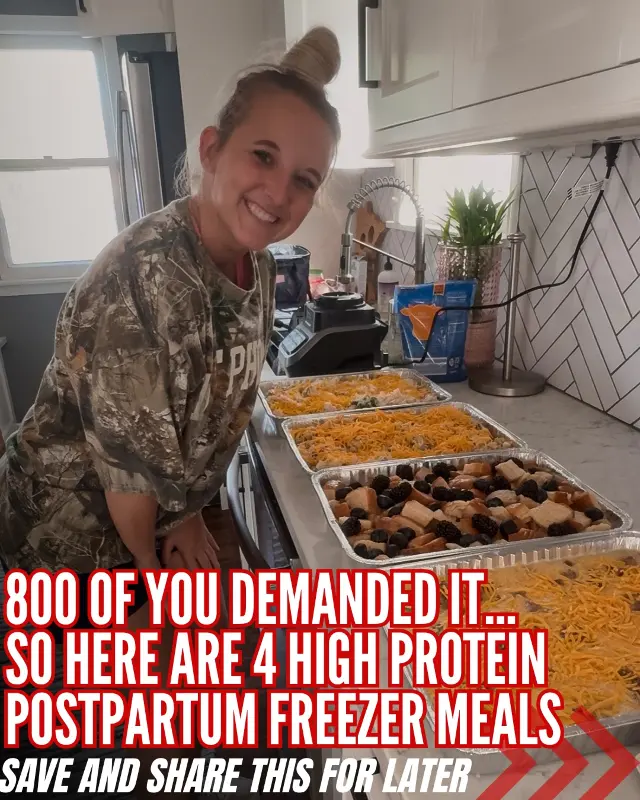
 Four Easy Freezer Meal Prep Recipes for Busy Weeks
#Meal Prep
23 ideas
Four Easy Freezer Meal Prep Recipes for Busy Weeks
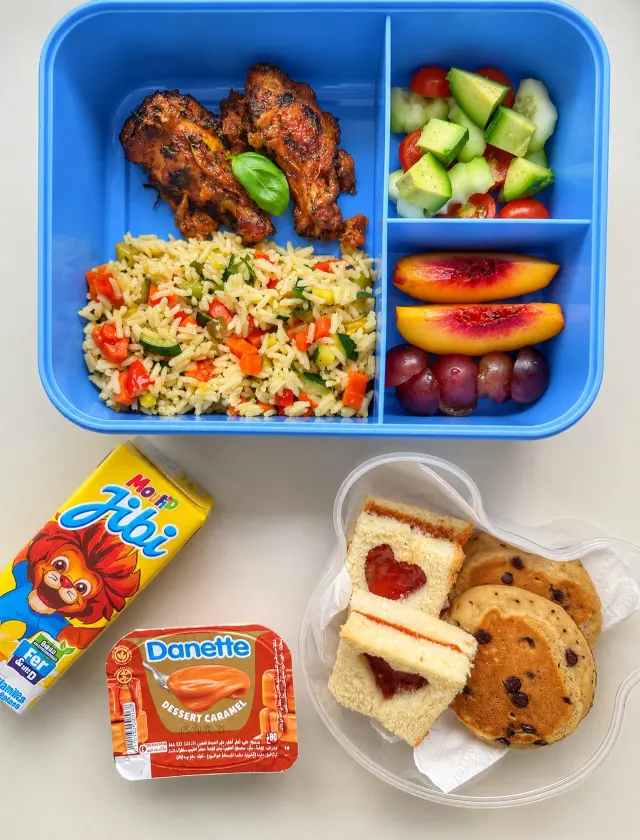 Creative Homemade Lunchbox Meal Inspirations for Kids
 Simple Weekly Dinner Meal Prep Ideas and Inspiration
 Lazy Girl Sheet Pan Chicken Meatballs and Sweet Potatoes
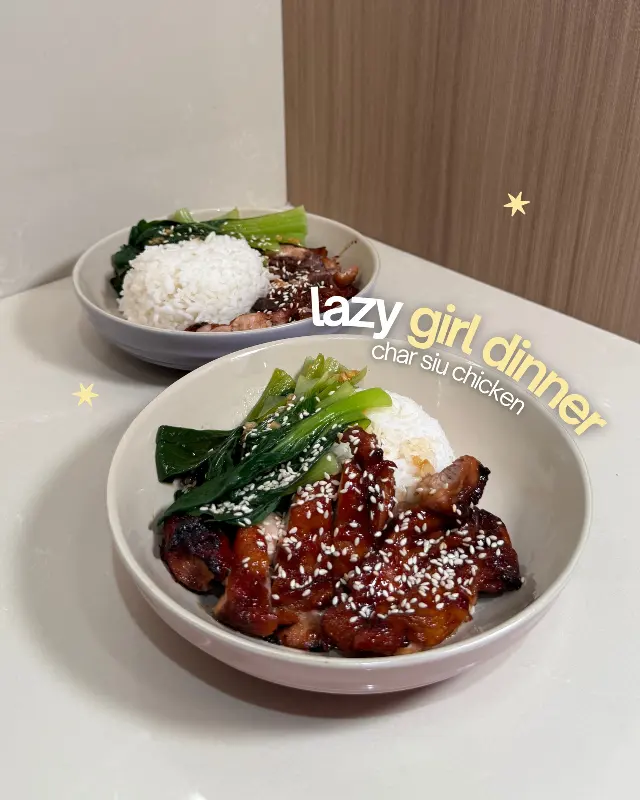 Air Fryer Char Siu Chicken Meal Prep
Get new #Meal Prep ideas by email
Every Thursday: the week's best ideas, with the newest from #Meal Prep.
Related tags
Meal Prep Ideas and Basics
What meal prep means
Meal prep is the habit of planning, cooking, and portioning food ahead of time so meals are easier to put together during the week. For some people, it means preparing full lunches and dinners in advance. For others, it means doing just a little prep, like washing vegetables, cooking grains, or making a few sauces. There is no single correct way to do it. The best approach is the one that fits your routine, your kitchen, and the kinds of meals you like to eat.
Meal prep is especially useful when you want to save time, reduce last-minute decisions, and make it easier to eat at home. It can also help you use ingredients more efficiently and keep a better sense of what is in your kitchen.
Common meal prep styles
Read more
There are a few simple ways to approach it:
- Batch cooking: making larger amounts of one or more dishes, then portioning them for later
- Ingredient prep: preparing separate components such as cooked rice, chopped vegetables, beans, or proteins
- Mix-and-match prep: making ingredients that can be combined in different ways across several meals
- Full meal prep: assembling complete meals in containers so they are ready to eat or reheat
Many people use a combination of these methods. For example, you might cook one grain, one protein, and several vegetables, then change the sauces or sides to keep meals from feeling repetitive.
What beginners should know
Start small. It is usually easier to prepare two or three meals than to try to plan an entire week at once. Choose recipes you already know how to make, and use ingredients that can work in more than one meal. Simple foods are often the easiest to prep well: roasted vegetables, cooked grains, boiled eggs, beans, soups, salads with sturdy ingredients, and baked proteins.
Think about texture as well as taste. Some foods stay pleasant for several days, while others are better added fresh. For example, crunchy toppings, soft herbs, dressings, and delicate greens often work best when packed separately and added just before eating.
Practical tips for better meal prep
- Make a short plan before shopping so you know what you will actually cook
- Use containers that match your portions and fit neatly in the fridge
- Label meals if you are storing several at once
- Let hot food cool before sealing and refrigerating it
- Keep sauces and dressings separate when possible
- Build meals around a simple formula: protein, grain or starch, vegetables, and a sauce or flavoring
Food safety matters too. Store prepared food promptly, keep your fridge organized, and use your senses and good judgment when deciding whether something is still suitable to eat. When in doubt, it is better to throw food out.
Keeping meal prep enjoyable
Meal prep should make life easier, not feel like a chore. You do not need perfect containers or complicated recipes. A good system is one that helps you eat well with less stress. If you prefer variety, prep components instead of full meals. If you like routine, make a few repeatable combinations you enjoy. Over time, you will learn which foods hold up well, which meals reheat nicely, and how much food makes sense for your household.
The most useful meal prep is simple, practical, and flexible enough to fit real life.
Videos come from YouTube and posts from Instagram; titles and summaries are our own. All rights belong to their creators.