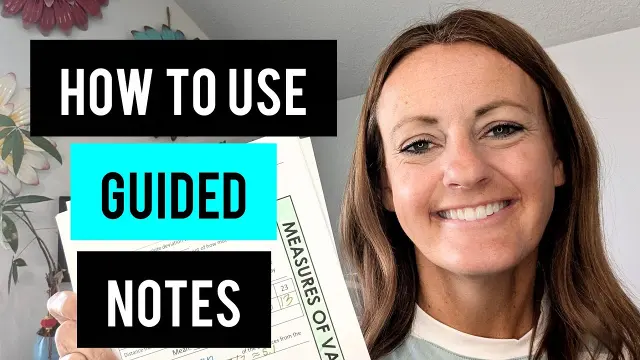
 Five Practical Tips for Using Guided Notes in Middle School Math
#Middle School
3 ideas
Five Practical Tips for Using Guided Notes in Middle School Math
 Active Listening Skills for Middle School Students
 Reflecting On Strange Middle School Memories And Teachers
Get new #Middle School ideas by email
Every Thursday: the week's best ideas, with the newest from #Middle School.
Related tags
Middle School: A Guide to the In-Between Years
Middle school is the stage of education that sits between elementary school and high school, usually covering the years when children are roughly eleven to fourteen. In some places it is called junior high, lower secondary, or the first years of secondary school. Whatever the name, it marks a distinct period: students move from having one main teacher to rotating through several subjects and several teachers, often in larger buildings with lockers, timetables and a wider social world.
What makes this stage different
The academic shift is real. Work becomes more specialised, expectations for organisation rise, and students are asked to manage longer projects, more reading and their own notes. Study skills that were optional before — planning, checking work, asking for help early — start to matter a great deal. This is also when abstract thinking develops, so subjects like algebra, essay writing and scientific reasoning become possible in new ways.
Alongside the academics comes a quieter, equally important change. Friendships deepen, peer groups become more central, and children begin to form a sense of identity separate from their family. Moods can swing, confidence can be fragile, and the desire for privacy grows. None of this is a problem to be fixed; it is ordinary development, and it is easier to support when adults expect it rather than resist it.
Read more
Practical things that help
- Organisation is a learned skill, not a personality trait. A simple planner, a consistent place for supplies and a short weekly reset can prevent most last-minute stress.
- Note-taking deserves to be taught explicitly. Guided notes, where key ideas are partly filled in, help students listen rather than copy frantically.
- Sleep and movement matter more than they are usually given credit for. A regular bedtime and time outdoors support both mood and concentration.
- Reading for pleasure, in any format, keeps vocabulary and comprehension growing through a period when assigned reading increases.
- Active listening — eye contact, asking a question back, summarising what was said — improves both classroom learning and friendships.
For parents and caregivers
Stay curious rather than interrogative. Questions that invite a story tend to work better than questions that demand a report. Keep routines predictable where you can, since the rest of their world is not. And take the long view: many of the awkward, intense or confusing moments of these years look far smaller in hindsight, and the young person emerging on the other side is usually more capable than they seemed in the middle of it.
Middle school rewards patience. It is a bridge, and bridges are meant to be crossed, not lived on.
#Middle School: frequently asked questions
How can a student get ready for middle school without feeling overwhelmed?
A good start is building simple routines before school gets busy, like using a planner, keeping supplies in one place, and setting a regular time to review homework. It also helps to practice asking for help early, because middle school expects more independence but students are still learning how to manage it.
What supplies or habits are most useful for middle school success?
The most helpful tools are usually practical ones: a backpack system, notebooks or folders for each subject, and a place to keep homework and notes together. Just as important are habits like listening actively, checking work, and using guided notes when lessons move quickly.
How do you choose the right middle school environment for a child?
Look for a setting that matches the child’s needs for support, structure, and confidence-building, not just academics alone. A school that communicates clearly, encourages organization, and creates a respectful social environment can make the transition much smoother.
What are some good ways to support a middle schooler at home?
Keep routines predictable, stay curious about their day, and ask questions that invite conversation instead of a quick yes or no answer. It also helps to give them some privacy while still showing steady support, because this is a time when independence matters a lot.
What are common mistakes families and students make during middle school?
One common mistake is treating organization as something a student either has or does not have, instead of a skill that can be taught and practiced. Another is reacting too strongly to mood swings or awkward social moments, when patience and consistency usually help more than pressure.
Videos come from YouTube and posts from Instagram; titles and summaries are our own. All rights belong to their creators.