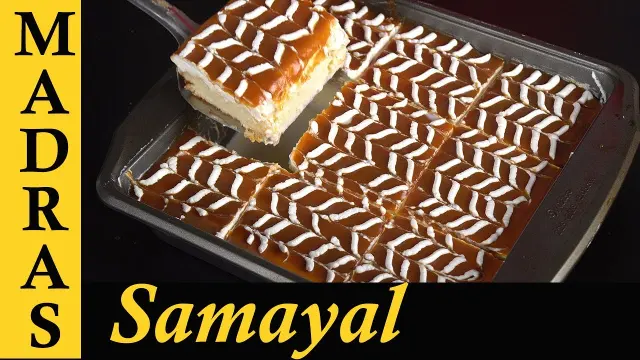
 Turkish milk cake with caramel glaze
#Milk Cake
15 ideas
Turkish milk cake with caramel glaze
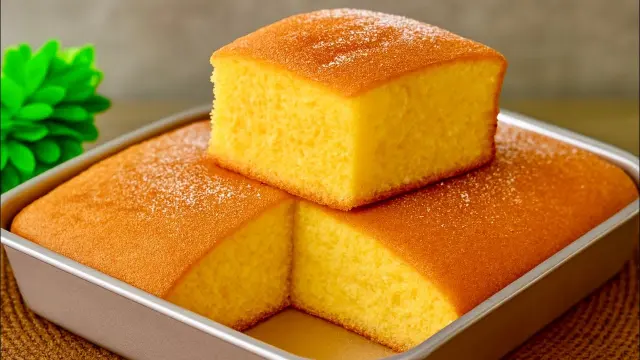 Simple and budget-friendly milk cake baking tutorial
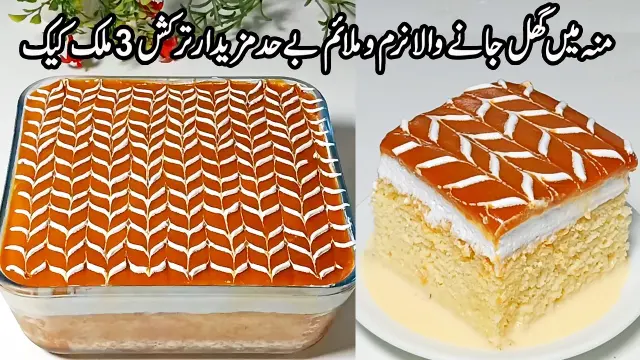 Turkish three milk cake with caramel sauce
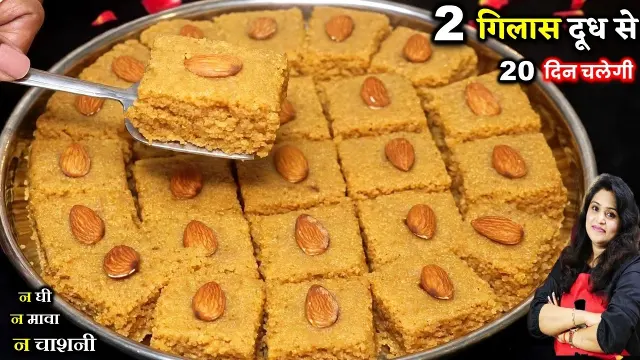 Granular milk cake kalakand recipe with jaggery
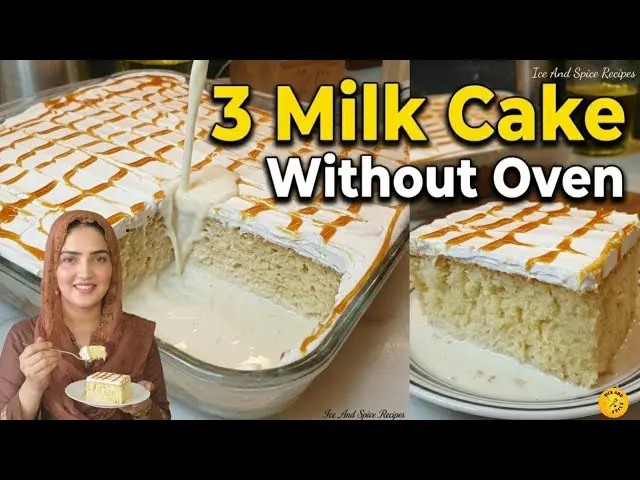 No-oven three milk cake with whipped cream
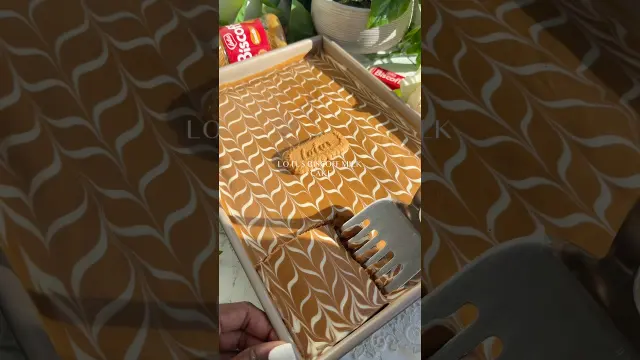 Lotus Biscoff milk cake with cream topping
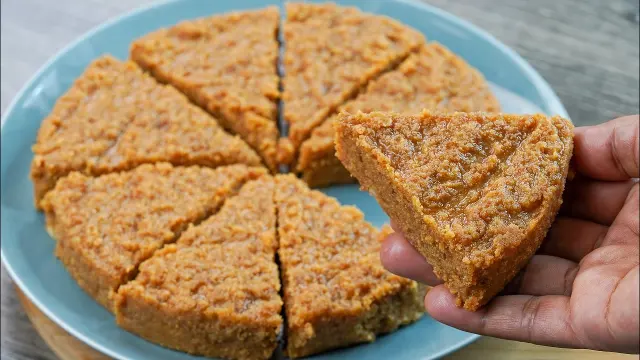 Instant milk cake recipe for a sweet treat
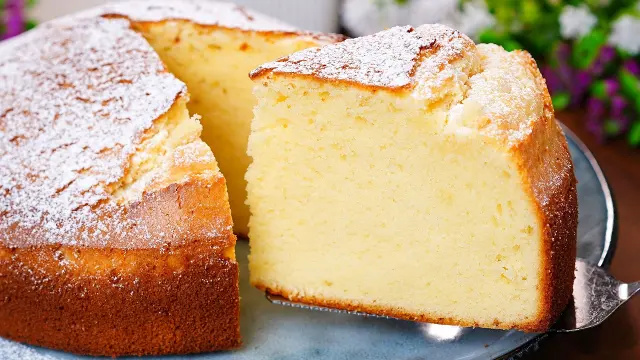 Easy condensed milk loaf cake recipe
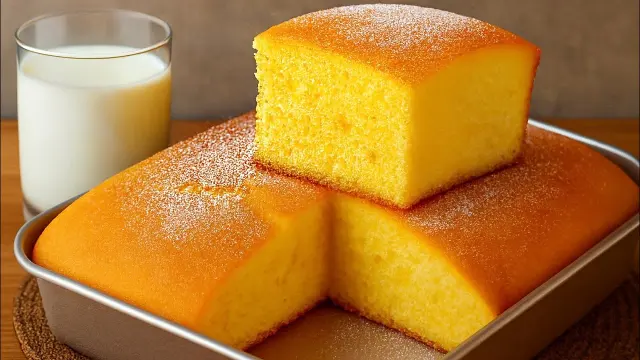 Quick and fluffy homemade milk cake recipe
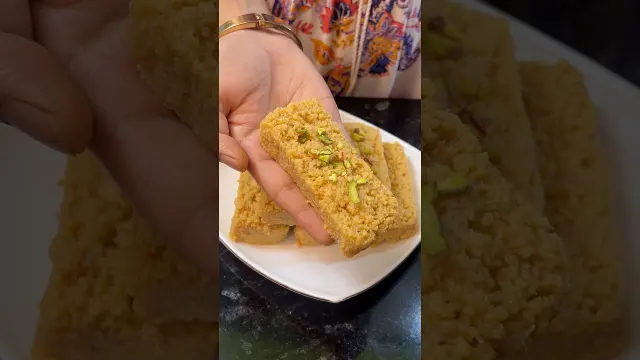 Traditional easy milk cake recipe with cardamom
 Famous Turkish caramel milk cake made in a skillet
 Classic homemade milk cake recipe for celebrations
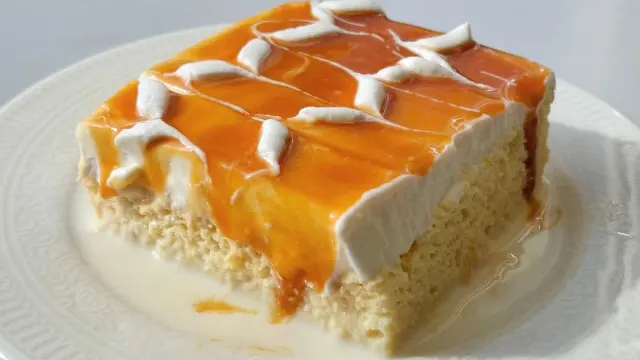 The Best Turkish Tres Leches Cake Recipe
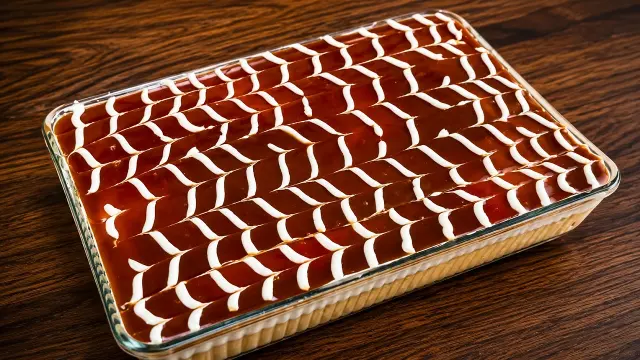 Soft and Creamy Homemade Trilece Milk Cake Recipe
 Trilece Turkish Milk Cake with Caramel Topping
Get new #Milk Cake ideas by email
Every Thursday: the week's best ideas, with the newest from #Milk Cake.
Related tags
Milk Cake: A Soft, Milky Dessert Guide
Milk cake is a broad name for sweet treats built around milk, sugar, and a soft, delicate crumb or curd. In many kitchens, it refers to a sponge cake soaked with milk syrup or cream, while in others it means a dense milk-based sweet with a fudge-like texture. Whatever the style, the charm is the same: a moist, milky dessert with a gentle sweetness that feels comforting rather than heavy.
What milk cake is
At its simplest, milk cake is a dessert that makes milk the star ingredient. Some versions use a light sponge that absorbs a milky soak, creating a very soft, spoon-tender cake. Others are cooked slowly until milk reduces and thickens, forming a rich, sliceable sweet. These styles may look different, but they share a smooth dairy flavour and a soft finish.
Common styles
Read more
There are a few well-known approaches to milk cake:
- Soaked sponge cakes: A baked sponge is pierced and saturated with sweet milk, cream, or a similar soaking liquid. The result is very tender and moist.
- Layered milk cakes: These usually have a sponge base, a creamy filling, and a milk soak, sometimes topped with whipped cream or a light glaze.
- Cooked milk sweets: In some traditions, milk is reduced with sugar until it becomes a dense, grainy or fudge-like dessert, often cut into squares.
- Flavoured versions: Vanilla is common, but you may also find cardamom, rose, coconut, saffron, or citrus used to add fragrance.
How it is made
If you are new to milk cake, the main idea is balance. A sponge should be airy enough to absorb liquid without turning soggy. A cooked milk sweet should be stirred carefully so it thickens evenly and develops a smooth texture. In both cases, milk cake depends on patience: gentle heat, careful mixing, and enough time for the flavours to settle.
Practical tips for beginners
- Use a soft but sturdy cake base if you are making a soaked version.
- Let the cake cool before adding the milk mixture, so it absorbs evenly.
- Add the soak gradually rather than all at once.
- Chill the dessert before serving if the recipe calls for it; the texture often improves as it rests.
- Keep flavours simple at first. Milk cake is best when the milky note remains clear.
Serving and variations
Milk cake is often served plain, with a light topping, or cut into neat squares for sharing. It can be dressed up with fruit, nuts, or a dusting of spice, but it does not need much to feel complete. Because the dessert is so adaptable, it appears in many home kitchens and festive tables in different forms.
If you like desserts that are soft, creamy, and quietly rich, milk cake is a lovely place to start.
Videos come from YouTube and posts from Instagram; titles and summaries are our own. All rights belong to their creators.