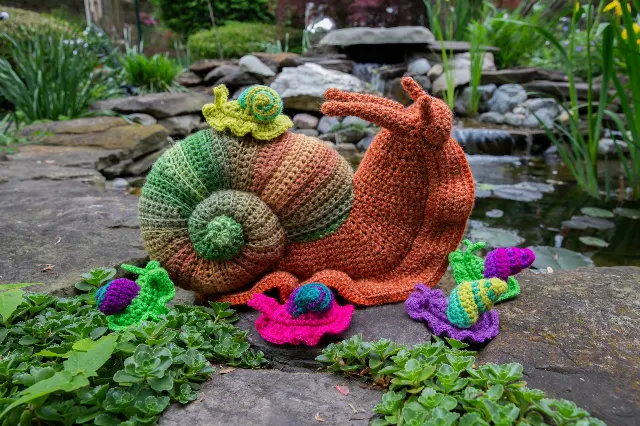
 New Tiny Snails Crochet Pattern Release
#Miniature Crafts
13 ideas
New Tiny Snails Crochet Pattern Release
Get new #Miniature Crafts ideas by email
Every Thursday: the week's best ideas, with the newest from #Miniature Crafts.
Related tags
Miniature Crafts: Tiny Making with Big Charm
Miniature Crafts
Miniature crafts are the art of making very small objects with careful detail and a steady hand. They can include tiny food, small animals, dollhouse items, miniature flowers, paper scenes, jewelry, and decorative figures. What makes them so appealing is the contrast between size and realism: a tiny cup, a small book, or a little basket can feel surprisingly lifelike and full of character.
The tradition of making miniatures is long and varied. In different cultures, people have created small-scale objects for play, display, ritual, collecting, and storytelling. Miniatures appear in dollhouses, model rooms, folk art, and handmade keepsakes. Some are practical in a small-scale setting, while others exist mainly as art pieces or decorative treasures. Because of that, miniature crafts sit somewhere between craft, sculpture, and design.
Common kinds of miniature crafts
Read more
There is no single style of miniature making. You might work with:
- Polymer clay for tiny food, figures, or accessories
- Paper for folded books, scenes, flowers, and boxes
- Felt or fabric for miniature sewing, dolls, and soft toys
- Wire and beads for baskets, plants, and delicate structures
- Wood, foam, or cardboard for furniture and small rooms
- Crochet or knitting for tiny clothing, animals, and home items
Some miniatures aim for realism, while others are stylized, whimsical, or slightly exaggerated. A tiny cake may be perfectly detailed, or it may be simplified to capture the feeling of a cake rather than every crumb.
What beginners should know
Miniature work rewards patience more than speed. Because the pieces are so small, it helps to slow down and plan each step before you begin. Good lighting, a clear work surface, and a few simple tools can make a big difference.
Start with one easy project instead of trying to master every technique at once. A small cushion, a paper basket, or a simple clay fruit can teach you proportion and control. As you gain confidence, you can try more detailed surfaces, layered textures, and tiny assemblies.
Scale is one of the most important ideas in miniature crafts. A tiny object should look convincing beside other tiny objects, so it helps to compare sizes often. Think about how real objects are shaped, how thick their edges are, and what details can be simplified without losing the overall effect.
Practical tips
- Use clean, sharp tools to avoid rough edges
- Keep materials organized in small containers
- Test glue and paint on scrap pieces first
- Work in stages and let each layer dry fully
- Use references from real objects for shape and proportion
- Accept that tiny imperfections are part of handmade charm
Miniature crafts are especially satisfying because they invite close looking. They can be playful, nostalgic, elegant, or purely decorative. Whether you enjoy tiny rooms, small sewn treasures, or detailed food replicas, miniature making offers a calm, creative way to build a whole little world with your hands.
Videos come from YouTube and posts from Instagram; titles and summaries are our own. All rights belong to their creators.