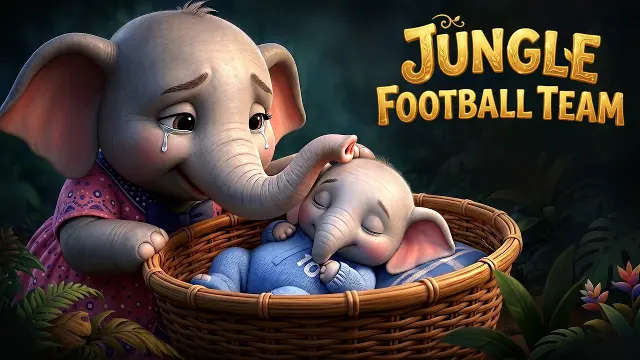
 The Jungle Football Team Animated Moral Bedtime Story
#Moral Stories
4 ideas
The Jungle Football Team Animated Moral Bedtime Story
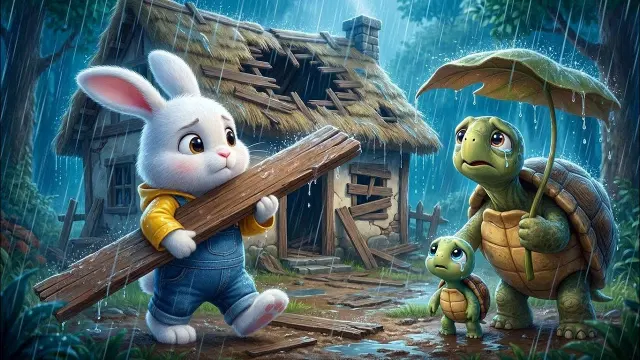 Bunny Helps Mr Turtle in an Animated Tale of Kindness
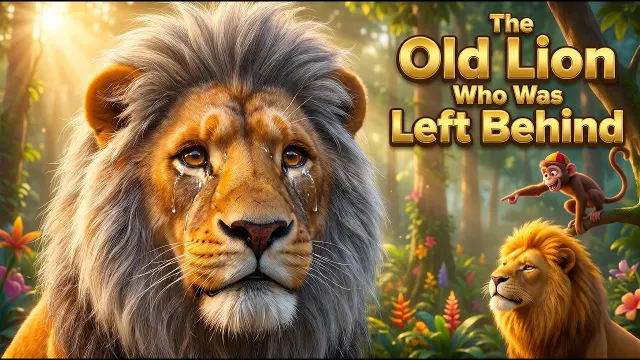 The Old Lion Left Behind in an Animated Moral Tale
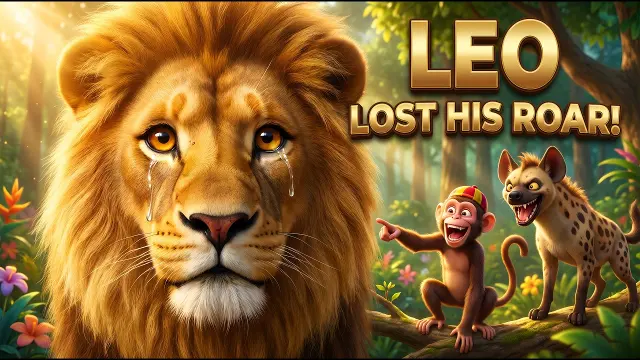 Leo the Lion Learns True Courage Without His Roar
Get new #Moral Stories ideas by email
Every Thursday: the week's best ideas, with the newest from #Moral Stories.
Related tags
Moral Stories for Children and Adults
Moral stories are short narratives meant to leave you with a clear lesson about how to live, choose, and treat others. They are found in many cultures and often come from folklore, religious teaching, parables, fables, and oral storytelling traditions. Because they are easy to remember and retell, they have long been used to teach children values in a gentle, engaging way, but adults also enjoy them for their clarity and wisdom.
What moral stories are
At the heart of a moral story is a situation, a choice, and a consequence. A character faces a problem, makes a decision, and learns something important. The lesson may be stated directly at the end, or it may be left for you to understand on your own. Common themes include honesty, kindness, patience, courage, humility, responsibility, sharing, and respect for others.
Many well-known moral stories use animals as characters because animals can represent human traits in a simple and memorable way. A fox may stand for cleverness, a lion for strength, a turtle for patience, and so on. This makes the message easier to follow, especially for young readers.
Read more
Main forms and styles
Moral stories appear in several familiar forms:
- Fables: very short stories, often with animals, that end in a clear lesson.
- Parables: simple stories that teach a spiritual or ethical truth.
- Folk tales: traditional stories passed down through generations, often with a moral at the end.
- Bedtime stories: gentle narratives that calm the listener while offering a valuable message.
- Animated or illustrated stories: visual versions that help the lesson feel lively and accessible.
Some moral stories are playful and light, while others are serious or reflective. The style may be realistic, magical, humorous, or symbolic, but the purpose is usually the same: to help you think about right and wrong in a memorable way.
What to look for as a reader
If you are reading moral stories with children, look for stories that match their age and attention span. Younger children usually connect best with simple plots, repeated phrases, and a clear ending. Older children may enjoy stories with more nuance, where the lesson is not stated too directly.
It also helps to talk about the story afterward. Ask what the character chose, what the result was, and what could have been done differently. This turns the story into a gentle conversation about values and everyday behavior.
Tips for telling or writing moral stories
A strong moral story usually works best when the lesson grows naturally from the plot rather than sounding like a lecture. Keep the language simple, the action clear, and the characters easy to understand. If you are writing one, focus on one main idea only. Too many lessons can weaken the message.
The best moral stories stay in the mind because they combine feeling with meaning. They entertain, but they also guide. That is why they remain such a lasting part of storytelling traditions everywhere.
Videos come from YouTube and posts from Instagram; titles and summaries are our own. All rights belong to their creators.