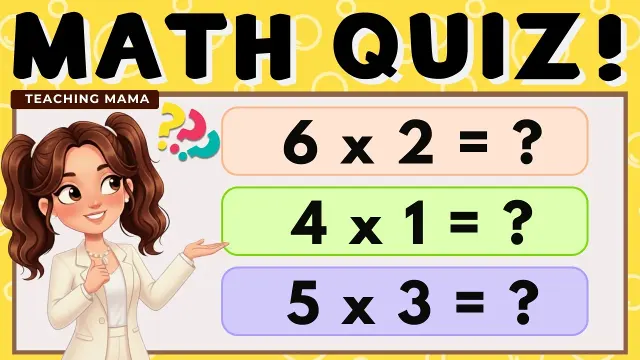
 Basic Multiplication Math Quiz for Kids
#Multiplication
33 ideas
Basic Multiplication Math Quiz for Kids
 Catchy 8 Times Table Song for Kids and Students
 Fun Two Times Table Song and Math Video
 Multiplication Songs Compilation for Kids Learning Tables
 Quick Mental Trick for Multiplying Any Two-Digit Number by Eleven
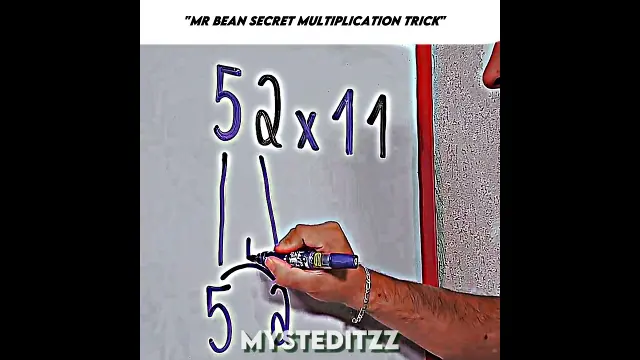 Quick Mental Trick to Multiply Two-Digit Numbers by 11
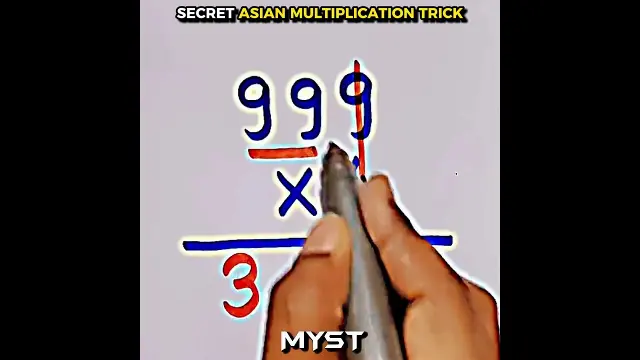 Fast Column Split Trick for Large Number Multiplication
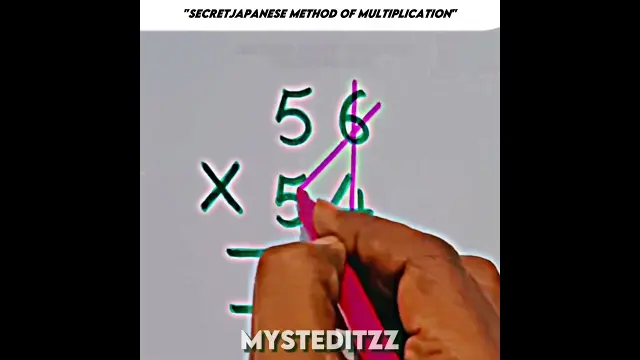 Secret Speed Multiplication Method for Matching Tens
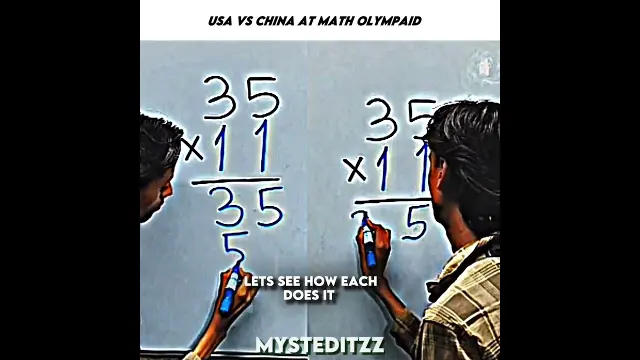 Comparing Standard Math with a Fast Olympiad Shortcut
Get new #Multiplication ideas by email
Every Thursday: the week's best ideas, with the newest from #Multiplication.
Related tags
Multiplication Basics and Mental Methods
What multiplication means
Multiplication is one of the basic operations in mathematics. It is a quick way to show repeated addition: 3 × 4 means 3 groups of 4, or 4 added three times. It is used to count equal groups, compare quantities, work with measurements, and solve everyday problems more efficiently than adding again and again.
You will also see multiplication written in different ways, such as a dot, a cross, or simply numbers placed side by side in some contexts. No matter the symbol, the idea stays the same: combining equal amounts into one total.
Common kinds of multiplication
Read more
When you begin learning multiplication, it usually starts with whole numbers. From there, you may meet:
- One-digit by one-digit multiplication
- Two-digit and larger multiplication
- Multiplication with decimals
- Multiplication with fractions
- Multiplication by powers of 10, such as 10, 100, or 1000
Each kind follows the same basic principle, but the steps become more detailed as the numbers grow.
Useful methods
There is more than one way to multiply, and different methods suit different learners.
- Repeated addition: helpful at the very beginning
- Times tables: useful for quick recall and mental work
- Area or box method: breaks numbers into easier parts
- Column multiplication: a standard written method for larger numbers
- Mental strategies: using number patterns, doubling, halving, or splitting numbers
For example, 6 × 7 can be learned as a fact from memory, but 6 × 70 can be thought of as 6 × 7, then multiplied by 10. Learning to see patterns makes multiplication easier and faster.
What beginners should know
A strong understanding of multiplication starts with a few simple ideas:
- Multiplication is commutative, which means 4 × 5 gives the same answer as 5 × 4
- Zero times any number is zero
- Multiplying by 1 keeps the number the same
- Place value matters, especially in larger calculations
- Estimation is useful for checking whether an answer makes sense
It helps to practice small sets regularly instead of trying to memorize everything at once. Understanding the logic behind the facts is often more helpful than speed alone.
Practical tips for learning
If you are building confidence with multiplication, try these habits:
- Break numbers into parts: 8 × 13 can become 8 × 10 and 8 × 3
- Use arrays or groups to picture the problem
- Say multiplication facts aloud to help memory
- Check answers by using the reverse operation, division, when appropriate
- Practice a little often rather than cramming all at once
A skill used everywhere
Multiplication is useful far beyond schoolwork. It appears in cooking, sewing, budgeting, measuring, building, and many kinds of planning. Once you understand the idea behind it, you can use it flexibly and with confidence in many everyday situations.
Videos come from YouTube and posts from Instagram; titles and summaries are our own. All rights belong to their creators.