 DIY Christmas Ornaments Made From Natural and Upcycled Materials
#Natural Decor
3 ideas
DIY Christmas Ornaments Made From Natural and Upcycled Materials
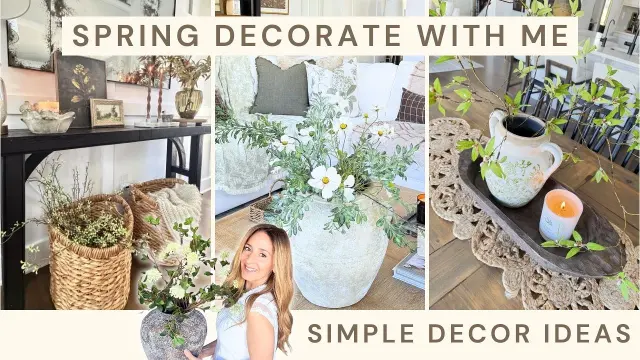 Natural Spring Decor Ideas for a Calm Organic Home
Get new #Natural Decor ideas by email
Every Thursday: the week's best ideas, with the newest from #Natural Decor.
Related tags
Natural Decor: A Guide to Organic, Evergreen Home Style
Natural decor is the practice of furnishing and styling a home with materials taken from the living world — wood, stone, clay, linen, cotton, wool, jute, rattan, bamboo, leather, dried grasses and fresh plants. Rather than a single look, it is a principle: letting the character of a material, with its grain, weave and slight irregularity, do most of the work.
The idea is older than any interior trend. For most of history, people built and decorated with whatever grew or lay nearby, and the shapes and techniques that survive — woven baskets, turned wood, thrown pottery, handloomed cloth — came from that practical intimacy with local materials. What is newer is treating those things as a deliberate aesthetic choice rather than simply the available option. The modern interest in natural decor grew alongside awareness of how buildings affect wellbeing, and it overlaps with biophilic design, which aims to keep a connection to nature present indoors.
The main directions
Rustic natural decor leans toward rough-hewn timber, stone, and visible craftsmanship, often with a farmhouse or cabin feeling. Scandinavian-style natural decor is lighter: pale woods, white walls, wool and linen, few objects, plenty of daylight. Wabi-sabi, borrowed from Japanese aesthetics, values imperfection and age — a mended bowl, weathered wood, asymmetrical branches. Coastal and Mediterranean interpretations use pale plaster, terracotta, cane and sun-bleached textiles. Organic modern sits between them all, pairing simple contemporary shapes with warm, tactile natural finishes.
Read more
What to keep in mind as you start
Begin with one or two materials rather than many. A room with oak, linen and clay reads as coherent; a room with fifteen natural textures usually reads as cluttered. Repetition is what makes a material feel intentional, so let a wood tone appear in the floor, a frame and a bowl.
Think about texture more than colour. Natural materials are mostly quiet in hue, and the interest comes from contrast — smooth against rough, matte against sheen, dense against airy. A coarse jute rug under a fine cotton sofa, a stoneware vase beside a glass one, a chunky knit against bare plaster: this layering is what gives a natural interior depth.
Let the palette come from the materials themselves. Undyed, unbleached and earth-toned finishes are easier to live with, and they make the green of a single plant or a few cut branches stand out.
Practical care
Natural materials age, and that is part of their appeal, but they do ask for a little attention. Keep wood away from standing water and direct heat, oil it occasionally if it is untreated, and expect it to darken or lighten with sunlight. Dust woven fibres rather than soaking them, air wool and linen instead of washing them constantly, and turn dried arrangements away from damp. Living plants need the right light for their species and drainage at the roots.
Finally, buy less and choose well. A single well-made object in an honest material will hold a room together for years, and it will only look better as it wears.
#Natural Decor: frequently asked questions
How do I start decorating with natural materials without making the room feel busy?
Start with one or two materials and repeat them in a few places so the room feels intentional. For example, you can pair wood with linen or clay with woven textures, then let the same tone or finish appear more than once.
Which natural decor style should I choose for my home?
Choose the style that matches the mood you want and the way your home already feels. Rustic natural decor is warmer and rougher, Scandinavian natural decor is lighter and simpler, while wabi-sabi, coastal, Mediterranean, and organic modern each bring a different balance of texture and calm.
What materials are commonly used in natural decor?
Natural decor often uses wood, stone, clay, linen, cotton, wool, jute, rattan, bamboo, leather, dried grasses, and fresh plants. The appeal comes from the material itself, especially its grain, weave, and small irregularities.
How do I care for natural decor pieces so they last?
Treat each material gently and avoid over-cleaning. Keep wood dry and away from direct heat, dust woven pieces instead of soaking them, air wool and linen when possible, and place dried arrangements and plants where they will stay healthy and dry.
What are some easy natural decor ideas for a seasonal occasion?
For seasonal decorating, use simple natural pieces that can be changed easily, like dried branches, woven textures, terracotta, rattan, or hand-made ornaments. These work well for calm spring styling or warm holiday looks because they add texture without overwhelming the space.
What are the most common mistakes people make with natural decor?
One common mistake is mixing too many natural textures at once, which can make a room feel cluttered instead of relaxed. Another is choosing finishes that fight each other, when the look is usually strongest if the materials and palette stay simple and coordinated.
Videos come from YouTube and posts from Instagram; titles and summaries are our own. All rights belong to their creators.