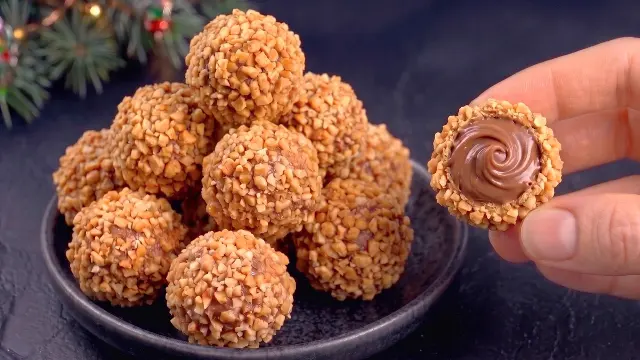
 Three No-Bake Desserts You Can Make in About Ten Minutes
#No Bake Desserts
3 ideas
Three No-Bake Desserts You Can Make in About Ten Minutes
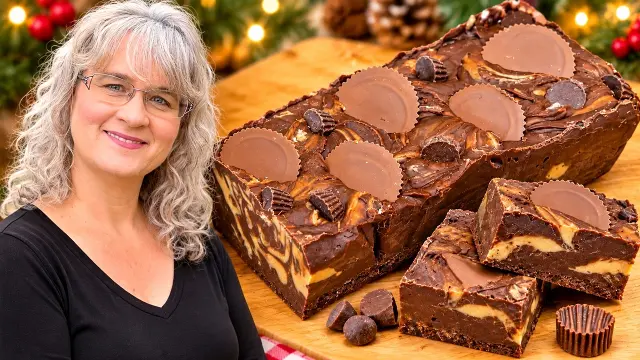 Twenty Peanut Butter Fudge Recipes Made From Simple Ingredients
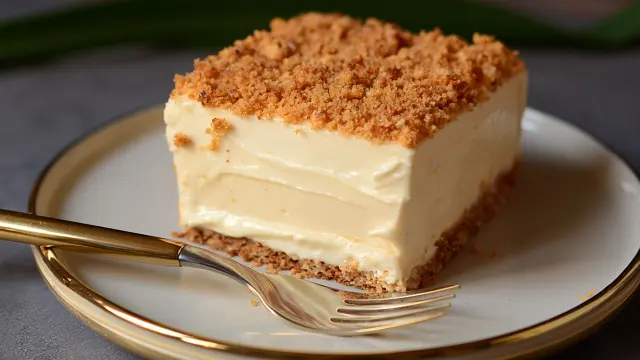 Easy Twenty-Minute Custard Icebox Cake
Get new #No Bake Desserts ideas by email
Every Thursday: the week's best ideas, with the newest from #No Bake Desserts.
Related tags
No Bake Desserts: A Beginner's Guide
No bake desserts are exactly what the name suggests: sweets that come together without an oven. Instead of baking, they rely on chilling, setting, whipping or freezing to reach their final texture. The idea is old and practical — cooks have always found ways to make something sweet when fuel was scarce, when the kitchen was too hot, or when guests arrived without warning — but it has grown into a whole category of its own.
Why they work
Most no bake desserts depend on one of a few setting agents. Gelatine and agar give firm, sliceable results; melted chocolate firms up as it cools; whipped cream and egg whites trap air; and crushed biscuits, nuts or cereal provide structure. Chilling does the rest. This is why almost every recipe in the category asks for time in the refrigerator — often overnight — and why patience matters more than skill.
The main kinds
Read more
- Icebox cakes: layers of biscuits or sponge alternated with cream or custard, left to soften and meld.
- Fridge tarts and cheesecakes: a crumb base pressed into a tin, topped with a chilled filling.
- Fudge and chocolate confections: cooked on the hob or simply melted and stirred, then cut into squares.
- Truffles and energy bites: rolled by hand, no equipment beyond a bowl.
- Mousses, puddings and possets: set in glasses and served with a spoon.
- Frozen desserts: semifreddo, granita and ice cream cakes, which use cold itself as the technique.
What beginners should know
Read the recipe twice before starting and prepare your tin or mould first, because no bake mixtures often set faster than you expect. Measure setting agents carefully; too little and the dessert slumps, too much and it turns rubbery. When a recipe calls for whipped cream, keep the cream cold and stop whipping just before it looks stiff enough — it firms further as it chills.
Cool melted chocolate slightly before folding it into cream or custard, or it will seize or split. If you are using gelatine, follow the packet instructions for blooming and dissolving it; agar behaves differently and needs a brief simmer to activate.
Practical tips
Give desserts the full chilling time rather than the minimum. A dessert that seems loose after two hours is often perfect by morning. Keep an eye on fridge space before you commit to a large mould, and cover anything set in the fridge so it does not pick up other flavours.
For serving, warm the outside of a mould briefly with a cloth dipped in hot water to release a set dessert cleanly. Cut cheesecakes and fudge with a knife warmed in hot water and wiped between slices.
Finally, taste as you go. Because nothing is baked, the flavours you put in are the flavours you get — so adjust sweetness and salt before the mixture goes into the fridge, not after.
#No Bake Desserts: frequently asked questions
Do you really not need an oven to make these desserts?
Correct — no bake desserts never see the inside of an oven. They set through chilling, freezing, whipping or melting instead, with gelatine, agar, chocolate or whipped cream doing the structural work. The trade-off is time in the refrigerator rather than time at heat.
What do I need before I start my first one?
A mixing bowl, a whisk, a tin or mould, and free space in the fridge cover most recipes in this category. A few also call for a small pan to melt chocolate or dissolve a setting agent. Clear your fridge shelf beforehand, since a large mould that does not fit is a problem you cannot fix later.
Which type is easiest for a beginner?
Icebox cakes and hand-rolled truffles or energy bites are the most forgiving, because they depend on layering and chilling rather than precise setting. Crumb-based fridge tarts and cheesecakes are a good next step once you are comfortable pressing a base and whipping cream. Save mousses and gelatine-set desserts for when you have a feel for how firmly things should hold.
Why did my dessert turn out too soft or too rubbery?
Usually the setting agent was mismeasured or the chilling time was cut short. Too little gelatine or agar leaves the mixture loose, while too much turns it stiff and rubbery; chocolate can also split if it is folded into cold cream while still hot. Follow the packet instructions for blooming and dissolving, and give the dessert the full chilling time rather than the minimum.
Can I make one ahead for a party or a hot day?
Yes — this is the category's strength, since most improve with a night in the fridge and can be made well before guests arrive. Cover anything setting so it does not absorb other fridge flavours, and add delicate toppings like fresh fruit or whipped cream close to serving. On a hot day, frozen options such as semifreddo or an ice cream cake hold up best.
What mistakes should I avoid?
The common ones are skipping the full chill, over-whipping cream, and folding hot melted chocolate into a cold mixture, which makes it seize. Prepare your tin before you begin, because these mixtures often set faster than expected. Taste and adjust sweetness or salt before the dessert goes into the fridge — once it is set, you cannot stir anything through.
Videos come from YouTube and posts from Instagram; titles and summaries are our own. All rights belong to their creators.