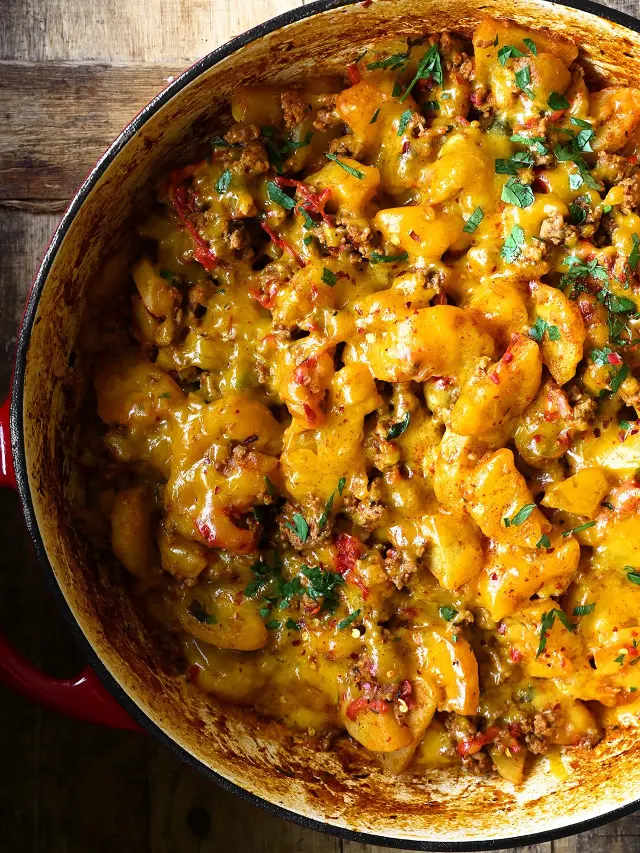
 One-Pan Cheesy Ground Beef and Potato Skillet
#One Pan Meal
4 ideas
One-Pan Cheesy Ground Beef and Potato Skillet
Get new #One Pan Meal ideas by email
Every Thursday: the week's best ideas, with the newest from #One Pan Meal.
Related tags
One-Pan Meals: Easy Cooking in One Dish
What one-pan meals are
One-pan meals are dishes cooked mostly or entirely in a single pan, tray, skillet, or baking dish. They are loved for their simplicity: you can combine protein, vegetables, starches, and seasoning in one place, then let the oven or stovetop do most of the work. The idea is practical rather than tied to any one cuisine, so you’ll find one-pan cooking in many food traditions around the world.
These meals are especially useful when you want something comforting and manageable without preparing several separate components. They also make cleanup easier, which is one reason they are such a reliable everyday cooking style.
Common styles and types
Read more
One-pan cooking can take many forms, depending on the ingredient and the method.
- Skillet meals: Cooked on the stovetop in a large pan, often with quick-cooking ingredients like sliced vegetables, mince, eggs, fish, or cooked grains.
- Sheet-pan meals: Ingredients are spread on a baking tray and roasted together in the oven. This works well for vegetables, chicken, sausages, tofu, and root vegetables.
- Casseroles and bakes: A deeper dish is used for layered or mixed ingredients, often with sauce, cheese, rice, pasta, or potatoes.
- Braises and saucy dishes: Food is cooked gently in liquid so the flavors blend together and the ingredients stay tender.
Why they work well
The strength of one-pan meals is balance. If you combine the right ingredients, you can create a full meal with very little effort. A good formula often includes:
- a protein, such as chicken, fish, eggs, beans, tofu, or mince
- vegetables, fresh or sturdy enough to hold their shape
- a carbohydrate, such as rice, potatoes, pasta, bread, or grains
- seasoning, herbs, spices, oil, broth, or sauce
When you choose ingredients with similar cooking times, everything finishes together. If some ingredients cook faster than others, add them later or cut them smaller so they cook evenly.
Tips for better results
If you’re new to one-pan cooking, a few habits help a lot.
- Don’t overcrowd the pan, or the food may steam instead of brown.
- Cut ingredients into similar sizes so they cook at the same pace.
- Use enough seasoning, because one-pan dishes need flavor in every bite.
- Stir or turn ingredients only when needed, especially if you want good browning.
- Choose a pan that is large enough for the amount of food you’re making.
- Taste and adjust at the end, especially with salt, acid, or fresh herbs.
Good flavor combinations
One-pan meals are flexible, so you can move between different styles easily. A tomato-based version may feel hearty and comforting, while a lemony herb version feels lighter and fresher. Spices, garlic, onions, citrus, vinegars, and fresh herbs all help create depth without extra fuss.
If you want the meal to feel complete, think about contrast: creamy with crisp, rich with bright, or soft with roasted edges. That balance often makes simple food feel satisfying.
A gentle way to start
If you’re beginning, start with familiar ingredients you already know how to cook. Try one protein, two vegetables, and one simple starch. Keep the seasoning straightforward, then change the flavors gradually as you gain confidence. Once you understand how your pan and oven behave, one-pan cooking becomes an easy and dependable part of everyday meals.
Videos come from YouTube and posts from Instagram; titles and summaries are our own. All rights belong to their creators.