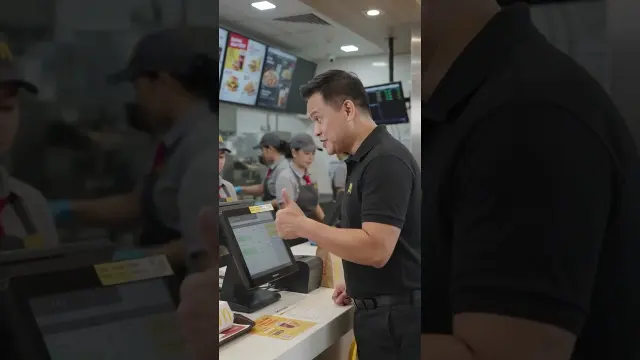
 A Day in the Life of a Professional Restaurant Manager
#Operations
2 ideas
A Day in the Life of a Professional Restaurant Manager
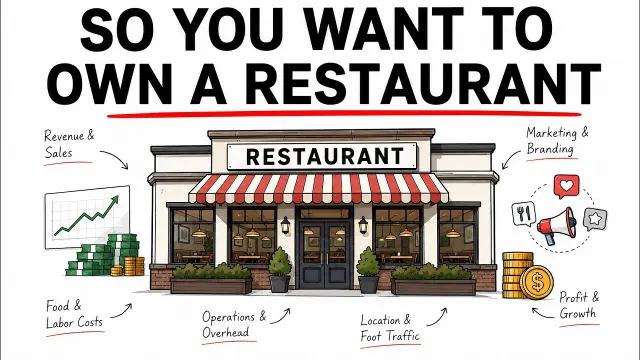 The Financial Economics of Owning and Operating a Restaurant
Get new #Operations ideas by email
Every Thursday: the week's best ideas, with the newest from #Operations.
Related tags
Understanding Operations Management
Operations is the work of making sure a business runs smoothly from day to day. It covers the processes, people, tools, and routines that turn plans into results, whether that means serving customers, producing goods, or delivering a service. In simple terms, operations is about getting the right things done at the right time, with as little waste and confusion as possible.
What operations includes
Operations can involve everything from scheduling staff and managing supplies to setting up workflows, checking quality, and handling customer service. In a restaurant, for example, operations may include ordering ingredients, organizing the kitchen, planning shifts, and making sure service is consistent. In other types of businesses, it may focus on inventory, logistics, production, or office systems.
The main goal is always the same: to keep work efficient, reliable, and repeatable.
Read more
Common styles and approaches
Operations can be organized in different ways depending on the business. Some teams use a highly structured system with clear procedures for each task. Others rely more on flexibility, where people adapt quickly to changing demand. Many businesses use a mix of both.
A few basic approaches are:
- Process-driven operations, where tasks follow set steps
- Service-focused operations, where customer experience is central
- Lean operations, where the aim is to reduce waste and simplify work
- Quality-focused operations, where consistency and standards matter most
Each style has its place. The best one depends on the type of work, the size of the team, and how much variation the business faces.
Skills and techniques that matter
Good operations depend on clear communication, planning, and attention to detail. You need to know what must happen, who is responsible, and what can go wrong. Useful techniques often include:
- Creating checklists and routines
- Tracking supplies and resources
- Monitoring time, cost, and output
- Reviewing problems and fixing root causes
- Training people so tasks are done the same way each time
A well-run operation often looks calm from the outside because the planning is happening behind the scenes.
What beginners should know
If you’re new to operations, start by learning the basic flow of the work. Ask yourself what happens first, what depends on something else, and where delays usually occur. Look for repetitive tasks, because these are often the easiest to improve.
It also helps to think in terms of systems rather than single tasks. One missed step can affect the rest of the process, so small details matter.
Practical tips
- Keep procedures simple and easy to follow
- Make responsibilities clear
- Review bottlenecks regularly
- Use consistent standards, but leave room for common-sense adjustments
- Pay attention to customer feedback and team feedback
- Improve one process at a time instead of changing everything at once
Operations is not only about control. It is also about creating a steady, workable rhythm that helps people do their jobs well. When operations are strong, the whole business feels easier to run and easier to trust.
Videos come from YouTube and posts from Instagram; titles and summaries are our own. All rights belong to their creators.