 An Amazing and Insane Dog Grooming Transformation
#Pet Care
20 ideas
An Amazing and Insane Dog Grooming Transformation
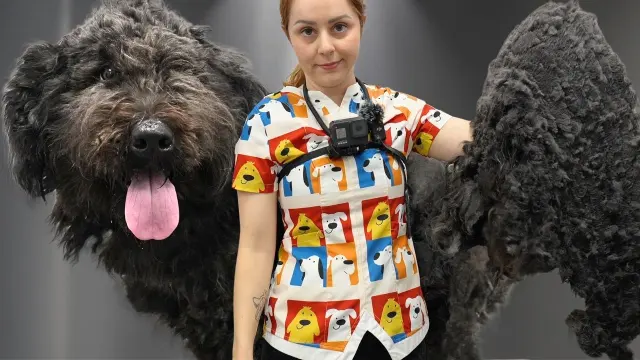 Removing Pounds of Matted Fur From a Dog
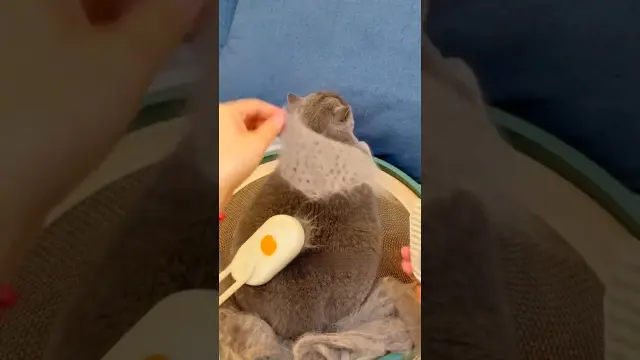 Mist Grooming Brush Routine for Cats
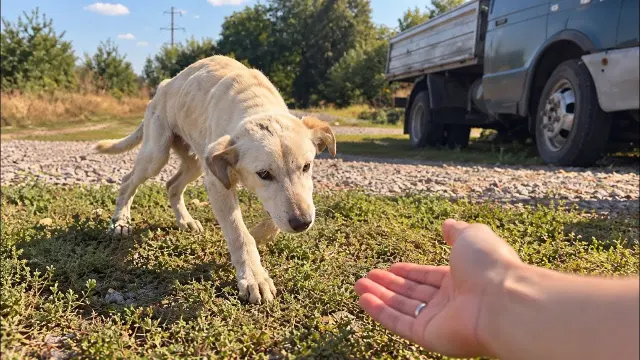 Animal Rescue Mission During the War in Ukraine
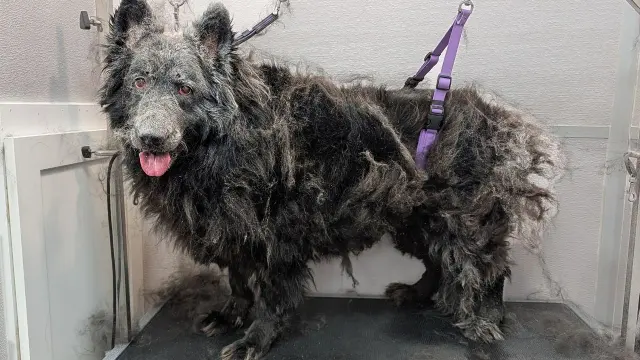 An Incredible Dog Grooming Transformation Process
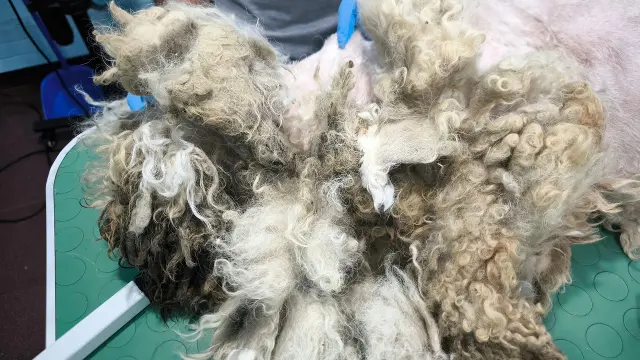 Professional Dog Groomers Freeing Matted Ears
 My Weekly Exotic Pet Care Routine and Maintenance
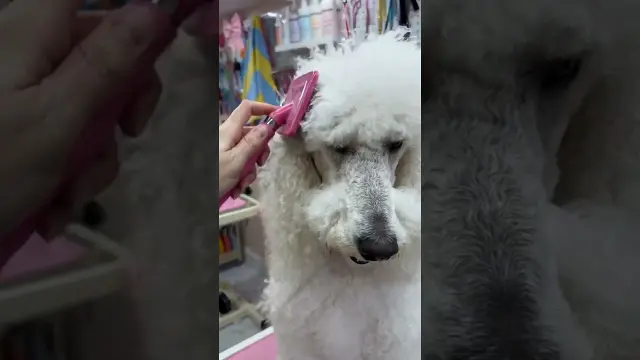 Daily Brushing Routine to Prevent Poodle Matting
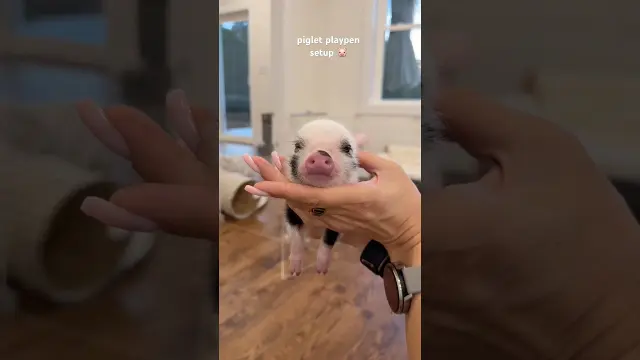 Setting Up a Cozy Playpen for a New Pet Piglet
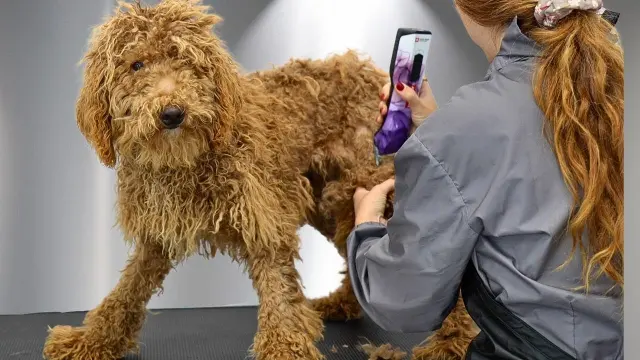 Rescue Poodle Gets Her First Professional Grooming Session
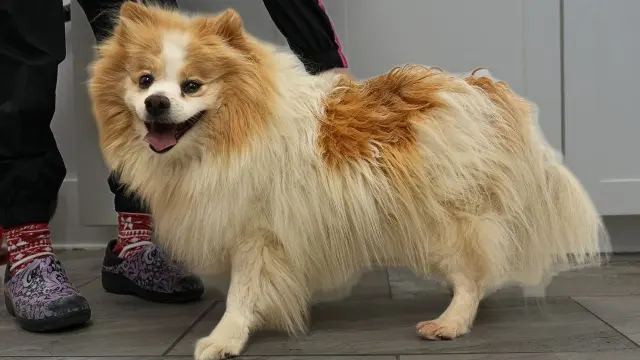 Dramatic Dog Grooming Transformation
 Essential Guide Before Adopting Pet Rats
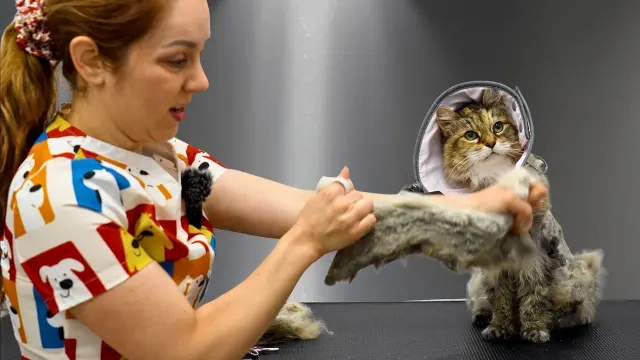 Attempting a Difficult and Challenging Cat Grooming Session
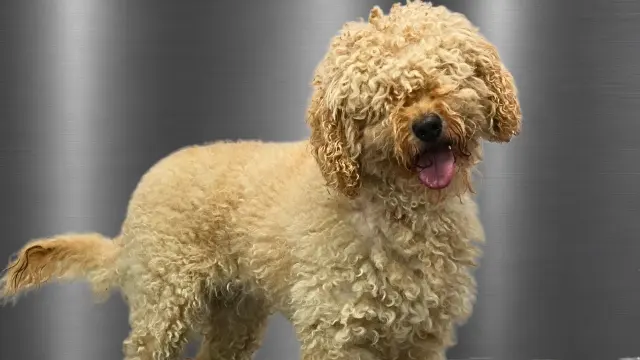 Grooming a Severely Matted Rescue Dog
 Cleaning and Grooming a Senior Dog
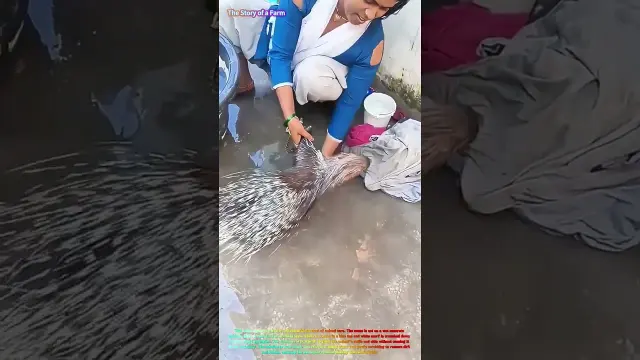 Satisfying Animal Care: Giving a Porcupine a Bath
 Classic Breed Cut Transformation for an Apricot Poodle
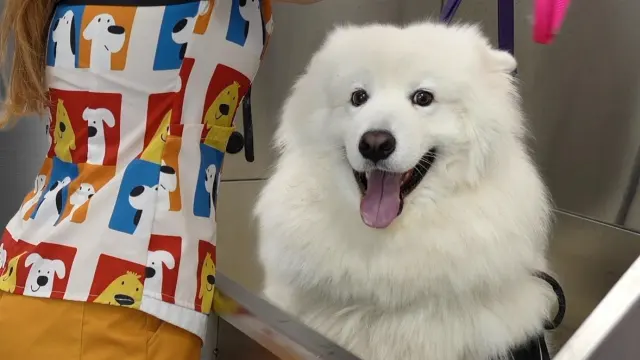 Grooming a Vocal Dog That Argues Back
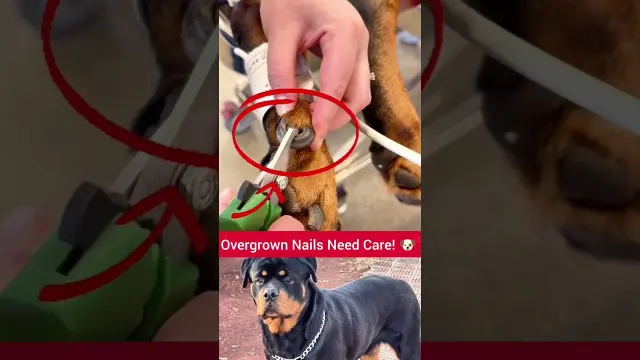 Careful Dog Nail Trimming by a Veterinarian
 A Satisfying Cleaning and Grooming Transformation for a Dirty Dog
Get new #Pet Care ideas by email
Every Thursday: the week's best ideas, with the newest from #Pet Care.
Related tags
Pet Care Basics for a Healthy, Happy Pet
What pet care means
Pet care is the daily and long-term attention you give to an animal so it can live safely, comfortably, and well. It covers feeding, grooming, exercise, cleaning, training, health checks, and making sure your pet has the right kind of home and companionship. Good pet care is not only about keeping an animal alive; it is about helping it feel secure, understood, and part of the household.
Different pets have different needs. A dog may need regular walks, training, and coat care. A cat may need a quiet litter area, scratching options, and places to climb. Small pets, birds, and other animals each need their own space, diet, and handling style. The first step in good care is learning what is normal for your own pet’s species, breed, age, and temperament.
Feeding and fresh water
Read more
A healthy diet is one of the foundations of pet care. Pets need food that suits their age and size, and they should always have access to clean water. It is best to feed at regular times and avoid giving too many table scraps, since human food can upset digestion or be unsafe for some animals.
If you change your pet’s food, do it gradually so the stomach has time to adjust. Watch your pet’s appetite, weight, and energy level, because these can tell you a lot about how well the diet is working. If you are unsure what to feed, a veterinary professional can help you choose a sensible routine.
Grooming and cleanliness
Grooming keeps your pet comfortable and gives you a chance to notice skin problems, tangles, parasites, or sore spots early. For some pets, grooming means brushing the coat, trimming nails, cleaning ears carefully, or bathing when needed. For others, it may be as simple as checking the fur, claws, and bedding regularly.
Start grooming calmly and slowly, especially with young or nervous animals. Short sessions are often easier than long ones. Use gentle handling, speak softly, and stop if your pet becomes stressed. Regular brushing can help reduce shedding and matting, and it also strengthens the bond between you and your pet.
Exercise, play, and mental stimulation
Most pets need movement and engagement, not just food and shelter. Dogs often benefit from walks, play, and training. Cats usually enjoy chasing games, climbing, and exploring. Even smaller animals need chances to move, sniff, chew, or interact with their environment in safe ways.
Mental stimulation matters too. Simple training, puzzle toys, hiding treats, or changing the layout of safe play areas can help prevent boredom. A pet that is active and mentally occupied is often calmer and easier to care for.
Health, safety, and routine
Regular health care is part of responsible pet ownership. Keep an eye on changes in behavior, eating, drinking, energy, toileting, coat condition, or breathing. Small changes can sometimes be the first sign that something is wrong. Routine checkups help keep vaccinations, parasite control, and general health on track, depending on your pet’s needs.
A safe home also matters. Keep harmful foods, medicines, small objects, and cleaning products out of reach. Make sure your pet has a comfortable resting place, and create a routine that includes feeding, exercise, and quiet time. Pets usually do best when their days are predictable.
Learning your pet’s needs
The best pet care comes from paying attention. Every animal has a personality, and the more you observe, the better you can respond. Some pets are bold, some shy, some energetic, and some prefer calm routines. Patience, consistency, and kindness go a long way.
If you are new to pet ownership, begin with the basics: food, water, shelter, cleanliness, and safety. Then build from there with grooming, training, and regular health care. A thoughtful routine will help your pet feel secure and will make life easier for both of you.
Videos come from YouTube and posts from Instagram; titles and summaries are our own. All rights belong to their creators.