 Full Face Ethereal Makeup Look With a Detailed Product Breakdown
#Product Breakdown
7 ideas
Full Face Ethereal Makeup Look With a Detailed Product Breakdown
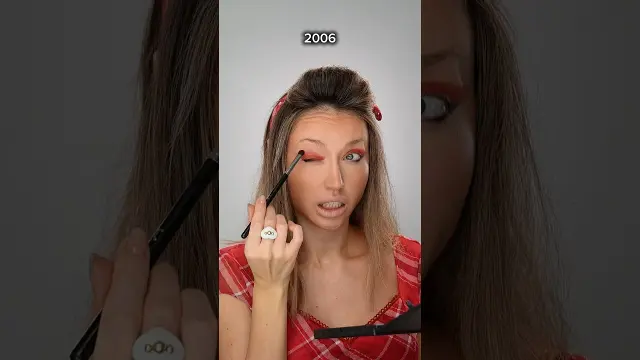 2006 vs 2026 Makeup: Comparing Two Eras of Beauty Looks
Get new #Product Breakdown ideas by email
Every Thursday: the week's best ideas, with the newest from #Product Breakdown.
Related tags
What Is a Product Breakdown? A Guide to Beauty Lists
A product breakdown is a simple, practical thing: a list of everything that went into a finished look. Instead of showing only the result, the person behind it names the products they used, usually in the order they applied them, often with the shade, the tool and a word about technique. It is the difference between admiring a photograph and being able to reconstruct it.
The habit grew out of a natural question. Whenever a tutorial, video or photo showed a striking face of makeup, someone asked what had been used, and creators began answering in detail rather than one product at a time. Professional makeup artists had long kept similar records for their own kits and for the people they worked with, noting exactly what went where so a look could be repeated on another day. The public list is the friendly version of that working document.
The usual formats
Most breakdowns fall into a few shapes. A full-face list runs category by category, from primer and base through cheeks, eyes and lips, ending with setting products. A step-by-step breakdown ties each product to a moment in the application, so you can follow along as you read. Some are deliberately short, the five or six items that did most of the work. Others are built around a comparison, setting one era, routine or finish against another to show how the same face changes. There are also breakdowns organised around a budget version of a look, where each item is paired with a more affordable alternative.
Read more
Conventions worth knowing
A good list follows the order of application, because that is how it becomes useful. Bases come before colour; powder before cream in some routines and after in others, and the writer usually says which. Shades are named alongside the product, since the same item can look entirely different in another tone. Tools appear too, because a brush, a sponge and a fingertip give three different finishes from the same formula. Many people finish with a plain note on what they would change next time, which is often more instructive than the list itself.
Reading one sensibly
Treat a breakdown as a starting point, not a prescription. Someone else's shade match tells you about their skin, not yours, and a product that sits beautifully on one face may behave differently on another. Formulas are reformulated and lines are discontinued, so an older list may no longer be reproducible exactly. If you are copying a look, borrow the structure and the order of steps first, then adapt the individual items to what suits you and what you can find. And if you write your own, note things down as you go rather than from memory at the end, keep to a template so nothing is forgotten, and be honest about what you actually reached for.
#Product Breakdown: frequently asked questions
What is a product breakdown in makeup content?
A product breakdown is a clear list of the products used to create a finished look, often in the same order they were applied. It usually includes shades, tools, and a brief note on technique so the look can be recreated more easily.
How do I start making my own product breakdown?
Start by writing things down as you apply them, instead of trying to remember everything afterward. A simple template helps keep the order consistent, and it is useful to note the product, shade, tool, and any technique that changed the result.
What should be included in a good product breakdown?
A helpful breakdown usually covers the base, color products, and any finishing steps, along with the tools used. It is also smart to mention shade choices and whether you used a brush, sponge, or fingertip, since those details affect the final finish.
How do I choose the right products if I want to recreate someone else’s look?
Use the breakdown as a guide to the structure of the look, not as an exact recipe. The same product can look different on different skin tones and textures, so it often works better to match the finish and placement first, then swap in shades and formulas that suit you.
What are some common mistakes people make with product breakdowns?
One common mistake is listing products without the order they were used, which makes the look harder to follow. Another is forgetting to mention shades or tools, or assuming an older list will still be exact even though formulas and product lines can change over time.
Can a product breakdown help with themed looks like ethereal, nineties-inspired, or era comparison makeup?
Yes, because these looks often depend on details like finish, color placement, and layering. A breakdown makes it easier to compare styles, build a full-face look step by step, or adapt a colorful eye or vintage-inspired makeup idea to your own routine.
Videos come from YouTube and posts from Instagram; titles and summaries are our own. All rights belong to their creators.