 Sampling Methods in Public Health Dentistry
#Public Health
4 ideas
Sampling Methods in Public Health Dentistry
 Epidemiology and Biostatistics Explained for Public Health
 Introduction to Sampling Techniques in Research
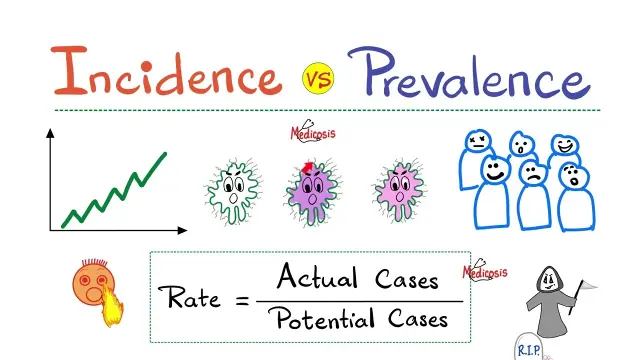 Incidence Versus Prevalence in Biostatistics and Epidemiology
Get new #Public Health ideas by email
Every Thursday: the week's best ideas, with the newest from #Public Health.
Related tags
Public Health Basics and Why It Matters
Public health is the study and practice of protecting and improving the health of communities. Unlike clinical care, which focuses on treating one person at a time, public health looks at the bigger picture: how to prevent illness, support healthy living, and make sure groups of people can thrive. It brings together science, policy, education, and everyday practical action.
What public health covers
Public health reaches into many parts of life. It includes preventing infectious disease, promoting healthy habits, improving water and food safety, supporting maternal and child health, and reducing the impact of injury and chronic illness. It also considers social factors such as housing, education, work, income, and access to care, because these all shape health.
At its heart, public health asks not only how to treat disease, but how to stop it from spreading or happening in the first place. That is why public health work often happens in communities, schools, workplaces, clinics, and government agencies.
Read more
Main areas and approaches
There are many branches of public health, but some of the most common include:
- Epidemiology, which studies how health conditions are distributed in populations and what may influence them
- Biostatistics, which helps collect, organize, and interpret health data
- Environmental health, which focuses on air, water, food, waste, and other conditions that affect wellbeing
- Health education and promotion, which supports informed choices and healthy behaviour
- Health policy and management, which helps organize services and guide decision-making
- Maternal, child, and family health, which supports health across different stages of life
Public health also uses methods such as surveys, observation, sampling, and community assessment to understand needs and measure change. If you are new to the field, these methods may seem technical at first, but they are simply tools for learning what is happening in real populations.
Why it matters
Public health helps protect large numbers of people at once. Clean water systems, immunization programmes, safe food practices, seat belt laws, smoking prevention, and health screening initiatives are all examples of public health in action. Many of these efforts are invisible when they work well, because they prevent problems before they become serious.
It also helps reduce unfair differences in health. Not everyone has the same opportunities for safety, care, or healthy living, so public health often pays attention to equity and access.
If you are starting to learn about public health
Begin with the basic questions: Who is affected? How many people are affected? Why might it be happening? What can prevent it? These questions guide most public health thinking.
A few practical tips can help you understand the field more clearly:
- Learn the difference between individual care and population health
- Pay attention to patterns, not just single cases
- Think about prevention as well as treatment
- Notice how everyday conditions shape health
- Use simple data carefully and avoid jumping to conclusions
Public health is broad, practical, and deeply connected to daily life. It helps communities stay healthier by combining knowledge, prevention, and shared responsibility.
#Public Health: frequently asked questions
What is public health in simple terms?
Public health is about protecting and improving the health of whole communities, not just treating one person at a time. It focuses on prevention, healthy environments, education, and making conditions safer for everyone.
How do I start learning public health?
Begin by understanding the difference between individual care and population health. From there, learn to ask basic questions about who is affected, why it may be happening, and what could help prevent it.
Which area of public health should I focus on first?
A good starting point depends on what interests you most. If you like data, epidemiology and biostatistics are useful; if you prefer everyday impact, health education, environmental health, or community health work may be a better fit.
What kinds of skills are useful in public health?
Public health uses a mix of observation, communication, basic data interpretation, and community awareness. It also helps to think broadly about how housing, education, work, food, and access to care affect wellbeing.
What are common mistakes people make when learning public health?
A common mistake is focusing only on individual cases and missing larger patterns in a community. Another is jumping to conclusions without enough data or ignoring social conditions that shape health outcomes.
How can public health ideas be applied in everyday life or events?
Public health ideas can show up in school activities, workplace wellness efforts, family health education, and community prevention campaigns. Simple themes like clean water, safe food, healthy habits, and access for all can make a strong visual or educational message.
Videos come from YouTube and posts from Instagram; titles and summaries are our own. All rights belong to their creators.