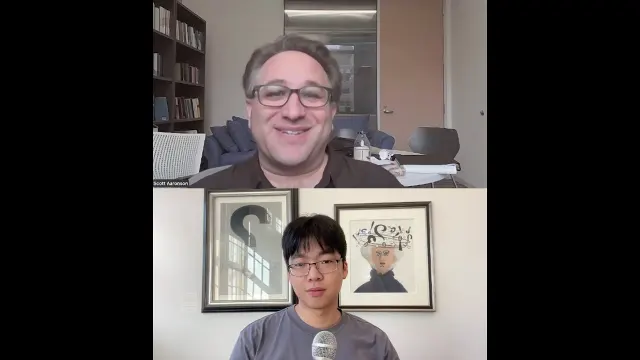
 Scott Aaronson on Quantum Complexity and AI Alignment
#Quantum Computing
14 ideas
Scott Aaronson on Quantum Complexity and AI Alignment
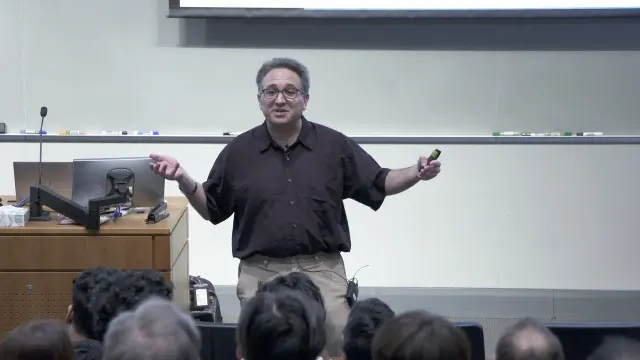 Computational Complexity and Explanations in Physics
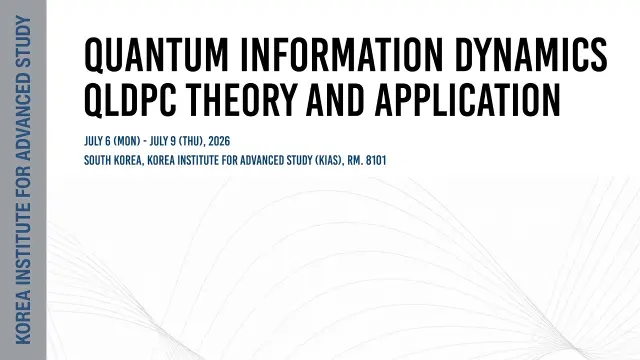 A Complexity-Theoretic Lens on Magic in Quantum States
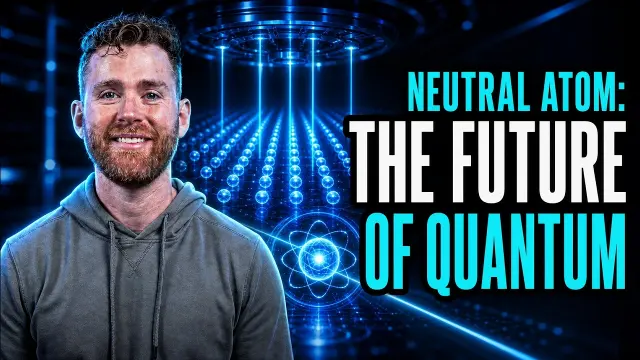 Neutral Atom Quantum Computing Architecture
 How Quantum Computing Actually Works from First Principles
 Biggest Breakthroughs in Computer Science and Computational Research
 China Quantum Computer Calculation Breakthrough
 Diamond Powered Room-Temperature Quantum Computer
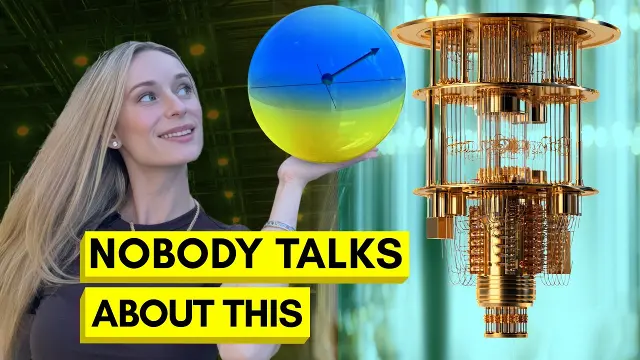 The Quantum Computing Bottleneck of Physical and Logical Qubits
 Stanford Optical Cavity Array for Quantum Readout
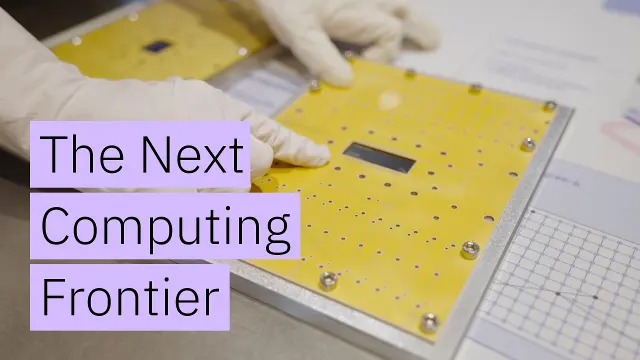 Quantum Computing Applications in Molecular Simulation
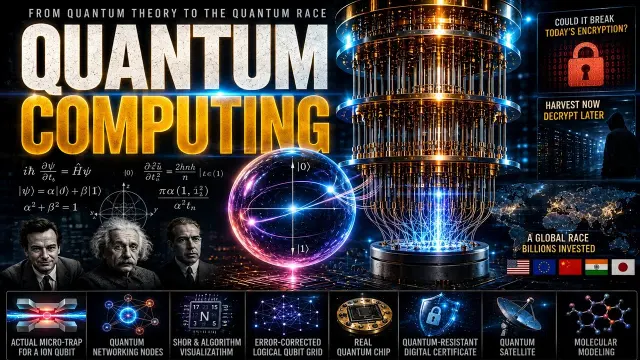 Quantum Computing Explained from Theory to Hardware
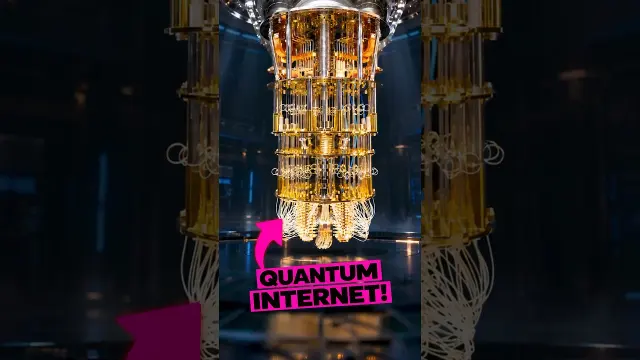 Connecting Multiple Quantum Computers Together
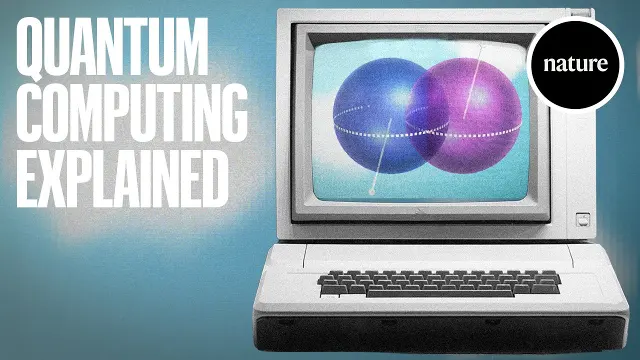 How Do Quantum Computers Work and Solve Problems
Get new #Quantum Computing ideas by email
Every Thursday: the week's best ideas, with the newest from #Quantum Computing.
Related tags
Quantum Computing Basics and Uses
Quantum computing is a way of processing information that uses the laws of quantum physics rather than the everyday rules of ordinary computers. It is based on the idea that very small particles can behave in ways that seem unusual to us, such as being in more than one state at once until they are measured. This gives quantum computers a different kind of power for certain problems.
What quantum computing is
A normal computer works with bits, which are either 0 or 1. A quantum computer uses quantum bits, or qubits. A qubit can represent a mix of 0 and 1 at the same time, and several qubits can become linked in ways that allow them to influence one another. These features do not make a quantum computer better at everything, but they can make it especially useful for certain kinds of calculation.
Quantum computing grew out of research in physics, mathematics, and computer science. It is closely tied to the study of how matter behaves at a very small scale. In practice, it is still a specialised field, and many systems remain experimental or limited in size.
Read more
What it is used for
Quantum computers are being explored for problems that involve many possibilities at once, especially where a normal computer may need too much time to test every option. They are studied for use in chemistry, materials research, optimisation, and some areas of simulation. They may also help researchers understand complex systems that are hard to model with classical methods.
It is important to know that quantum computing is not simply a faster version of regular computing. It is better understood as a different tool for different tasks. For everyday use, ordinary computers are still more practical and reliable.
Main ideas and approaches
There are a few core ideas that help explain quantum computing:
- Superposition: a qubit can hold a blend of possible states before it is measured.
- Entanglement: qubits can become connected so that the state of one relates to the state of another.
- Interference: quantum states can reinforce or cancel each other, which can be used to guide a calculation toward useful answers.
Different physical systems can be used to build quantum computers, and researchers continue to explore which methods are most stable and practical. The details can be highly technical, but the basic goal is always the same: to control quantum effects well enough to perform useful computation.
What beginners should know
If you are new to the topic, it helps to keep a few things in mind. First, quantum computing is not magic. It depends on carefully controlled physics and very precise engineering. Second, the field is challenging because quantum states are fragile and can be disturbed easily. Third, many of the most promising applications are still being developed.
A good way to approach the subject is to focus on the main principles first, rather than trying to memorise complex formulas. Understanding bits, qubits, superposition, and entanglement will give you a strong starting point.
A practical perspective
Quantum computing is best seen as a long-term area of research with real potential, not as a replacement for ordinary computers. For now, it serves as a bridge between physics and computing, helping scientists ask new kinds of questions and explore problems in new ways. If you are learning about it, patience is useful: the ideas are subtle, but the basic principles are surprisingly elegant once they click.
Videos come from YouTube and posts from Instagram; titles and summaries are our own. All rights belong to their creators.