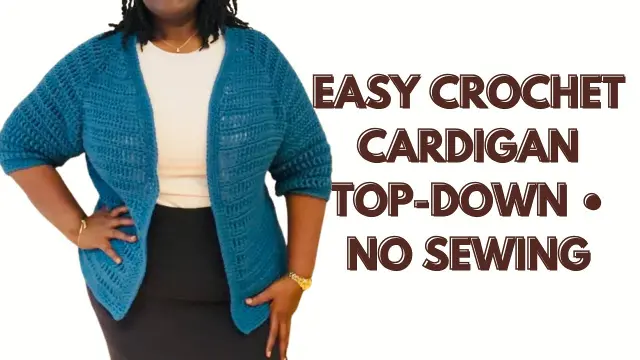
 Easy Top-Down Raglan Style Crochet Cardigan
#Raglan Cardigan
2 ideas
Easy Top-Down Raglan Style Crochet Cardigan
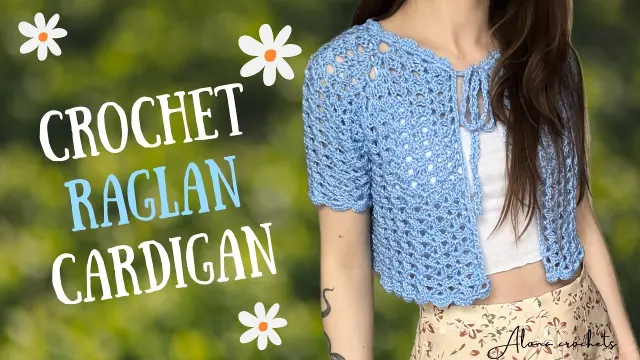 No-Sew Raglan Crochet Cardigan Tutorial
Get new #Raglan Cardigan ideas by email
Every Thursday: the week's best ideas, with the newest from #Raglan Cardigan.
Related tags
Raglan Cardigan Guide
What a raglan cardigan is
A raglan cardigan is a cardigan whose sleeves extend in one piece to the collar, with diagonal seam lines running from the neckline to the underarm. That shaping gives the shoulders a soft, natural line and makes the garment easy to move in. You’ll find raglan cardigans in knitwear and crochet, and they can be made as lightweight layers or cosy outerwear.
The raglan shape has long been valued in practical clothing because it fits a wide range of body shapes and leaves room through the shoulders. It is also popular with makers because the construction is clear and adaptable. Whether you are knitting or crocheting, the same basic idea applies: the sweater grows from the top or bottom with increases that create the sleeve shape.
Why people choose this style
Read more
A raglan cardigan is loved for its comfort and simplicity. Because the sleeve shaping is built into the body, it often feels less structured than a set-in sleeve cardigan. That makes it easy to wear over shirts, dresses, and everyday outfits. It is also a good choice if you like a classic look that can be dressed up or down.
This style works well in many yarns and fabrics. A fine yarn gives a neat, lightweight layer, while a thicker yarn creates a relaxed, cosy cardigan. The same shape can look traditional, modern, or handmade and rustic, depending on stitch pattern, buttons, length, and finishing.
Common variations
- Open-front raglan cardigans: simple, easy layers with no closure
- Button-front cardigans: classic and versatile
- Oversized raglans: relaxed and roomy for layering
- Fitted raglans: neater shaping through the waist and sleeves
- Textured versions: ribbing, lace, cables, or crochet stitches for interest
In knitwear, raglan shaping is often worked with regular increases along the seam lines. In crochet, the same effect can be created with top-down construction, panels, or no-sew methods. The exact technique may differ, but the silhouette stays recognisable.
What beginners should know
If you are new to making raglan cardigans, start with a pattern that explains the shaping clearly and uses simple stitches. It helps to choose a yarn that is easy to see and a texture that does not hide the stitch structure. That makes it easier to follow the increase lines and keep track of your work.
Fit matters most around the neckline, yoke, and underarm. Check measurements as you go, especially if the cardigan is worked from the top down. A good fit in those areas will make the whole garment feel comfortable. Blocking or gentle finishing can also improve the shape and drape.
Practical tips
- Make a gauge swatch before you begin.
- Mark raglan increase lines so they are easy to follow.
- Try the garment on if the construction allows it.
- Choose buttons, edging, and length that suit how you plan to wear it.
- Keep the finishing neat, since the simple shape shows details clearly.
A raglan cardigan is a timeless garment because it combines ease, comfort, and graceful shaping. Once you understand the structure, you can adapt it to many styles, from everyday basics to more decorative handmade pieces.
#Raglan Cardigan: frequently asked questions
How do I start making a raglan cardigan?
Most makers begin at the neckline and work outward, using regular increases along four diagonal lines to grow the yoke and sleeves at the same time. If you prefer working flat, you can also build the body from the bottom up and shape the sleeves as you go. Either way, read the pattern through first so the increase placement and stitch counts make sense before you cast on.
What supplies do I need for a raglan cardigan?
You need yarn suited to the weight the pattern calls for, needles or a hook in the size that gives you the right gauge, and small markers to flag the increase lines. Add a tapestry needle for seaming and weaving in ends, plus buttons and any edging yarn if your version closes at the front. A tape measure is worth keeping nearby for checking the neckline and underarm as you work.
Which kind of raglan cardigan should I choose?
Pick an open-front version if you want a simple layer with no buttonholes to work, or a button-front one if you like a classic look you can wear closed or open. Oversized shapes suit relaxed layering, while fitted shaping gives a neater line through the waist and sleeves. Consider the yarn weight too, since fine yarn makes a light layer and thicker yarn makes something cosier.
How should I care for a raglan cardigan?
Follow the care instructions that came with your yarn, since natural and synthetic fibres behave differently in water and heat. Hand washing in cool water and drying flat usually protects the shape and keeps the raglan lines from stretching. Store it folded rather than on a hanger so the shoulders keep their soft, natural line.
What mistakes do beginners make with raglan shaping?
The most common one is skipping the gauge swatch, which throws off the fit around the neckline and underarm. Losing track of where the increase lines sit is another frequent problem, so mark them clearly and check your stitch counts as you go. Keep the finishing tidy as well, because a plain shape makes uneven edges and loose ends stand out.
What can I wear a raglan cardigan with?
It layers easily over shirts, dresses, and everyday outfits, which is why the shape works for both casual and dressier looks. Choose buttons, length, and stitch texture to shift it toward traditional, modern, or handmade and rustic. A fine version reads neat and light, while a thicker one becomes relaxed outerwear for cooler days.
Videos come from YouTube and posts from Instagram; titles and summaries are our own. All rights belong to their creators.