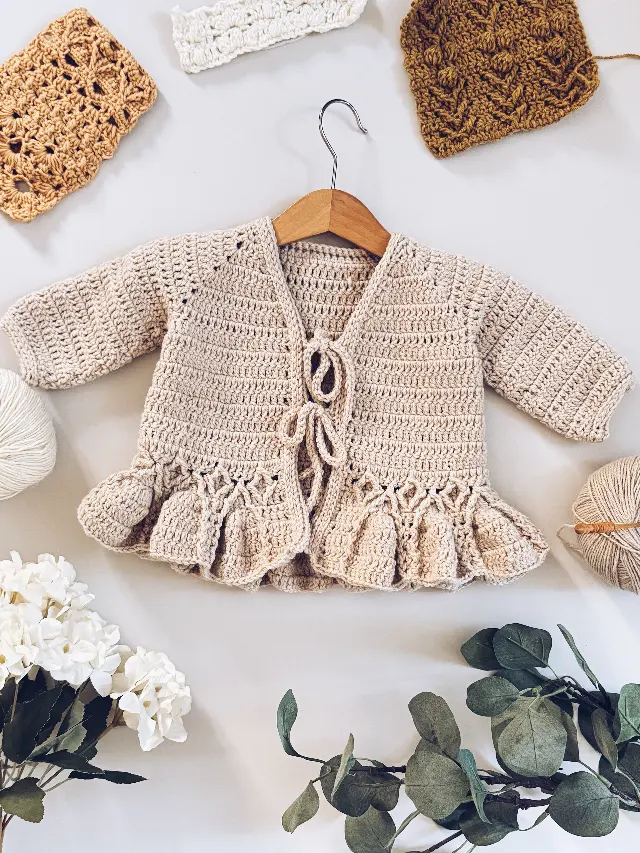
 Adeline Tie Cardigan: seamless top-down baby cardigan pattern
#Top-Down Crochet
2 ideas
Adeline Tie Cardigan: seamless top-down baby cardigan pattern
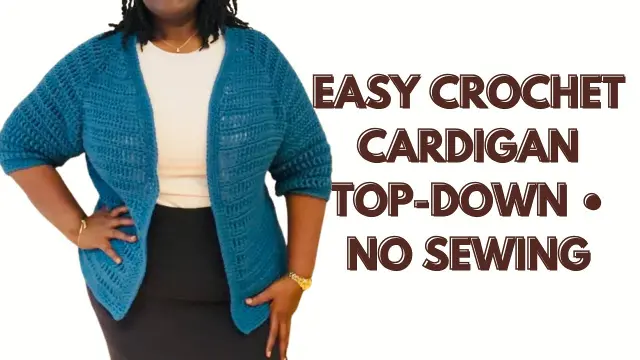 Easy Top-Down Raglan Style Crochet Cardigan
Get new #Top-Down Crochet ideas by email
Every Thursday: the week's best ideas, with the newest from #Top-Down Crochet.
Related tags
Top-Down Crochet Guide
Top-down crochet is a way of making garments and some accessories by starting at the neckline or upper edge and working downward. Instead of sewing many pieces together later, you build the shape as you go, which makes it easier to check the fit and adjust the length before finishing. It is especially popular for sweaters, cardigans, tops, dresses, and baby clothes, but the same idea can also be used for hats and other shaped projects.
How top-down crochet works
In a top-down project, you begin with a small starting section and increase stitches to create room for the shoulders, bust, sleeves, or body. Many garments are made in one piece, though some patterns use separate sections that are joined early and then continued downward. The main advantage is that you can try the item on as you work and decide whether you want a shorter or longer body, wider sleeves, or a deeper neckline.
This method is often beginner-friendly because it reduces the need for complicated finishing. At the same time, it does ask you to pay attention to stitch counts and shaping, especially around the yoke and armholes.
Read more
Common types and styles
One of the most common top-down constructions is the raglan shape, where four diagonal lines of increases run from the neckline to the underarm. This creates a classic, comfortable fit and works well for many everyday garments.
Another common style is the yoke sweater, where increases are placed in a round shape around the shoulders. Yokes can be simple and smooth, or decorative with lace, colorwork, or texture. Some top-down patterns also use set-in sleeves or contoured shaping for a closer fit.
For cardigans, top-down construction can be especially useful because you can decide where the front opening should sit and how much drape you want. Tops and dresses made this way are also popular because you can adjust the length with very little extra planning.
What beginners should know
If you are new to top-down crochet, choose a pattern with clear stitch counts and simple shaping. It helps to use a yarn that shows stitches well, so you can see increases and markers easily. Stitch markers are useful for keeping track of sections, especially in raglan or yoke designs.
Try to understand the pattern before you begin. Look for where the increases happen, how the neckline is formed, and when the sleeves separate from the body. If the pattern includes measurements, compare them with a garment you already like to wear.
Practical tips
- Make a gauge swatch before starting, especially for clothing.
- Count your stitches often to catch mistakes early.
- Try the piece on as you work if the construction allows it.
- Use removable markers to mark increase points and underarm sections.
- Keep notes if you adjust length, sleeve depth, or neckline shape.
- Block the finished piece gently so the fabric settles into shape.
Top-down crochet gives you a lot of control over the final fit, which is one reason it stays so useful. Once you understand the basic shaping, you can use the same method in many different projects and adapt it to your own style.
#Top-Down Crochet: frequently asked questions
How do I start a top-down crochet project?
You begin at the neckline or upper edge with a small starting section, then add stitches at set points to open out room for the shoulders, sleeves, and body. Most patterns tell you where those increases go and when the sleeves split away from the body, so read that part through before you pick up your hook. Think of it as building the garment outward from the collar rather than joining flat pieces at the end.
What do I need to get started with top-down crochet?
You need yarn, a hook that matches it, and plenty of stitch markers, which are the real workhorse of this method because they hold your increase points and section divisions in place. A smooth, light-colored yarn is worth choosing at the start since it lets you see your increases clearly. Making a gauge swatch first is also worth the detour, particularly for anything you plan to wear.
Should I choose a raglan or a yoke style?
A raglan builds diagonal increase lines running from the neckline toward the underarm, giving a relaxed, everyday fit that is easy to follow. A yoke instead spreads its increases in a round around the shoulders, and it leaves more room for decorative lace, texture, or colorwork. Pick the raglan if you want a simple, forgiving shape; pick the yoke if you want the shoulder area to be the feature.
What mistakes do beginners usually make?
Losing track of stitch counts is the classic one, and it tends to show up much later as a yoke that pulls or an armhole that sits wrong, so count as you go instead of trusting the look of it. Many people also start without a gauge swatch and only discover the sizing is off once the body is well underway. Trying the piece on whenever the construction allows catches most of these problems while they are still easy to fix.
How should I care for a finished top-down crochet garment?
Follow the care guidance for the yarn you used, since that matters more than the construction method. In general, wash gently, avoid wringing or hanging the wet piece, and dry it flat so it keeps its shape. A light blocking at the end helps the fabric settle and the shaping even out.
Is top-down crochet a good choice for a baby gift?
Yes, and it is a practical one, because you can hold the piece against the baby or a similar garment as you work and adjust the length and sleeve depth before finishing. Cardigans are especially well suited to this method, since the front opening can be positioned exactly how you want it. Small projects like these also let you try the technique without committing to a full-size garment.
Videos come from YouTube and posts from Instagram; titles and summaries are our own. All rights belong to their creators.