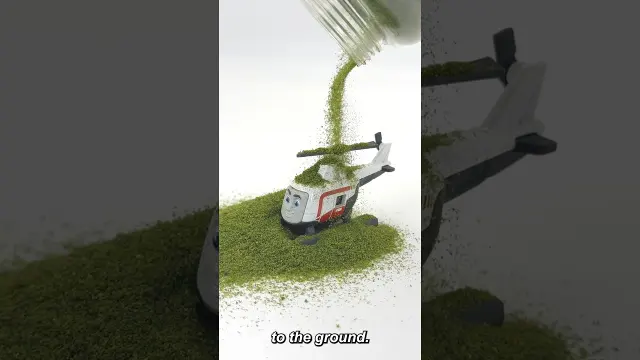
 Updating A Custom Folding Model Train Layout With Scenic Details
#Railroad Layout
1 ideas
Updating A Custom Folding Model Train Layout With Scenic Details
Get new #Railroad Layout ideas by email
Every Thursday: the week's best ideas, with the newest from #Railroad Layout.
Related tags
Railroad Layout Guide
A railroad layout is a model railway scene built to represent a real or imagined railway system. It may include tracks, trains, stations, roads, buildings, scenery, and signals, all arranged to create a miniature world. Some layouts are made for display, while others are designed for operation, with trains running according to a schedule or a set of simple rules. For many people, the appeal lies in combining planning, craftsmanship, and storytelling in one project.
What a railroad layout can be
Layouts vary widely in size and purpose. Some are compact enough to fit on a table or shelf, while others fill an entire room or more. A layout can depict a single small town, a mountain route, a busy yard, or a fictional railway. You can aim for realism, or you can take a more creative approach and simply build a scene that feels believable.
A good layout usually has a clear focus. It might be the railway itself, the surrounding landscape, or the activity taking place along the line. Even a small layout can feel complete when the track plan, scenery, and structures work together.
Read more
Planning before building
One of the most important steps is planning the track arrangement. Think about how you want trains to move. Do you want continuous running, point-to-point operation, or a switching layout where cars are sorted and delivered? The answer will shape the whole design.
It also helps to consider the space available, the height of the layout, and how you will reach every part for maintenance. Curves, grades, and turnouts should be chosen with care so the trains run smoothly. A simple plan that works well is often more satisfying than a complicated one that is hard to operate.
Main parts of a layout
A railroad layout usually includes several layers. The base structure supports the tracks and scenery. The trackwork forms the route trains follow. Scenery gives the layout character, with landforms, roads, water, fences, and vegetation. Buildings and details add life and help tell a story.
Lighting can also matter, especially if the layout is displayed indoors. Good lighting makes colors and details easier to see and helps the whole scene feel more natural.
Building with realism in mind
Realism does not mean copying every detail exactly. It means creating a scene that feels consistent. Keep the geography believable, match structures to the area you are portraying, and avoid overcrowding the scene. A few well-placed details often work better than many tiny items everywhere.
Weathering, when done lightly, can help trains, tracks, and buildings look used rather than new. Subtle variation in color and texture adds depth. If you are new to layout building, start with basic landforms and simple structures, then add detail gradually.
Good habits for beginners
If you are just starting out, begin small and finish one section before moving on. Test the track early and often. Leave access for cleaning and repairs. Use materials and techniques you are comfortable with, and do not be afraid to revise your plan as you learn.
A railroad layout grows over time. The most successful ones are usually built patiently, with care for both operation and scenery. When each part supports the whole, the result feels like a real place in miniature.
#Railroad Layout: frequently asked questions
How do I get started with a railroad layout?
Start by deciding how you want trains to move through the scene, since that choice shapes the whole track plan. Begin with a small area, build and finish one section before moving on, and test the track as you go rather than waiting until everything is in place.
What do I need to build a railroad layout?
At its core a layout needs a base structure to support everything, trackwork for the route, and scenery materials for landforms, roads and vegetation. Buildings, signals and details bring the scene to life, and good lighting helps colors and small features read clearly if the layout sits indoors. Stick to tools and materials you are already comfortable using.
Should I choose continuous running or a switching layout?
Continuous running suits people who enjoy watching trains travel through a landscape without much intervention, while point-to-point and switching designs appeal to those who like sorting and delivering cars according to a plan. Think about your available space and about which part of the hobby you actually find relaxing before committing.
How do I take care of a railroad layout once it is built?
Keep the track clean and make sure you can physically reach every part of the layout for cleaning and repairs, which is far easier to arrange during planning than afterward. Dust gently, check turnouts and wiring periodically, and keep the room's conditions reasonably stable so scenery and structures do not warp.
What mistakes do beginners usually make?
The most common one is starting too large, which leaves a project half-finished and hard to maintain. Others include overcrowding the scene with tiny details, designing a track plan so complicated that operating it stops being fun, and adding scenery before the track has been properly tested.
How can I make my layout look realistic?
Realism comes from consistency rather than from copying every detail: keep the geography believable, match the buildings to the region you are portraying, and leave some empty space instead of filling every corner. Light weathering on trains and structures, plus subtle variation in color and texture, makes a scene feel used and lived in.
Videos come from YouTube and posts from Instagram; titles and summaries are our own. All rights belong to their creators.