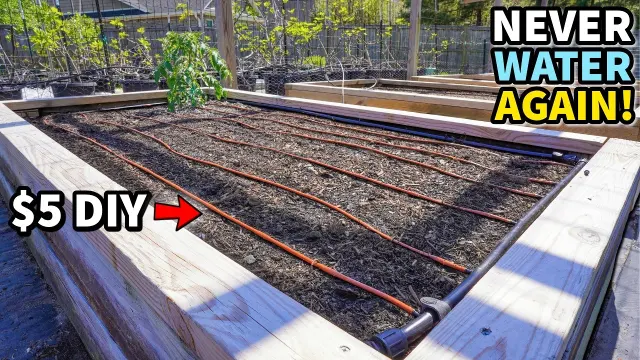
 Building an Easy DIY Drip Irrigation Grid for Raised Beds
#Raised Bed Gardening
2 ideas
Building an Easy DIY Drip Irrigation Grid for Raised Beds
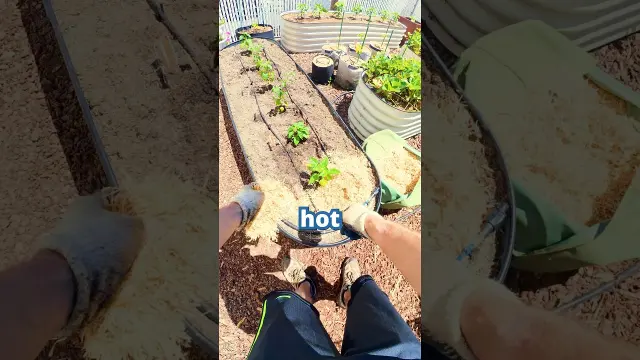 How to Easily Add Drip Irrigation to Raised Bed Gardens
Get new #Raised Bed Gardening ideas by email
Every Thursday: the week's best ideas, with the newest from #Raised Bed Gardening.
Related tags
Raised Bed Gardening: A Beginner's Guide
Raised bed gardening means growing plants in soil that sits above the surrounding ground, held in place by a frame of wood, stone, brick or metal. Instead of digging into whatever soil you happen to have, you build a container without a bottom, fill it with a mix you choose, and plant directly into it. The approach suits vegetable growers, flower lovers and anyone gardening on poor, compacted or contaminated ground.
Where it comes from
Growing in raised beds is old practice rather than a modern invention. Kitchen gardens enclosed by low walls appear in many traditions, and the French intensive method of the nineteenth century popularised deep, enriched beds worked by hand. The idea travelled widely because it solves real problems: heavy clay, thin topsoil, rocky ground and awkward slopes all become workable once you garden above them.
Why gardeners choose raised beds
Read more
The main advantage is control. You decide what the soil is made of, so drainage, fertility and pH are yours to manage rather than inherited. Soil in a raised bed warms earlier in spring and stays workable after rain, which extends the growing season at both ends. Beds raise the working height, which spares your back and knees and makes gardening possible from a stool or wheelchair. Paths between beds mean you never stand on the soil, so it stays loose and roots grow freely. Weeds are fewer, and the frame itself keeps growth tidy.
Types and materials
Beds vary in height from a low frame of a few centimetres to waist-high structures deep enough to sit beside. Untreated timber is a common choice; cedar and larch resist rot naturally. Stone, brick and concrete last for decades but hold cold. Galvanised metal heats up in sun and dries out quickly at the edges. Whatever you pick, avoid old railway sleepers and salvaged painted wood of uncertain origin, and check that any treated timber is rated safe for growing food.
Width matters more than length: keep beds around 1.2 metres across so you can reach the middle from either side without stepping in. Length is limited only by your space and patience.
Filling and planting
Fill with a blend of topsoil, compost and well-rotted organic matter rather than pure compost, which shrinks and dries. Settle it in layers and water as you go. Because the soil is deep and loose, you can plant closer than in open ground, and intensive spacing suppresses weeds by shading the surface.
Practical tips for beginners
- Water more often than you would in the ground; raised soil drains fast, especially in windy or sunny spots.
- Mulch the surface to hold moisture and keep roots cool.
- Refresh the top layer with compost each year instead of replacing the fill.
- Group thirsty plants together so you can irrigate one area rather than the whole garden.
- Watch the edges in summer, where soil dries first.
Start with one or two beds, learn how your soil behaves through a full year, and expand once you know what you enjoy growing.
#Raised Bed Gardening: frequently asked questions
How do I start a raised bed garden for the first time?
Begin small, with one or two beds, and place them where they get good sun and are easy to reach with a hose or watering can. Build a bottomless frame, set it on ground you have cleared and levelled, then fill it with a blend of topsoil, compost and well-rotted organic matter. Give yourself a full year in that setup before expanding, so you learn how the soil holds water and what you actually enjoy growing.
What do I need to build and fill a raised bed?
You need a frame material, something to line or level the ground beneath it, and a soil mix rather than garden soil dug from the spot. Untreated timber is the simplest choice, with naturally rot-resistant woods lasting longer, while stone, brick and metal are alternatives with their own trade-offs in weight, cold and moisture. Avoid salvaged wood of uncertain origin such as old sleepers, and check that any treated timber is rated safe for growing food.
What kind of raised bed should I choose?
The right pick depends on your body, your space and your ground: a low frame suits anyone happy to kneel, while a taller bed lets you garden from a stool or chair. Width matters more than length, so keep the bed narrow enough that you can reach the middle from either side without stepping onto the soil. Then weigh materials by how they behave — wood stays temperate, masonry lasts but holds cold, and metal dries out fast at the edges.
How do I care for a raised bed through the year?
Expect to water more often than you would in open ground, because raised soil drains quickly, particularly in sun and wind. Mulch the surface to hold moisture, and group thirsty plants together so you can irrigate one area instead of the whole garden. Each year, top up with fresh compost rather than replacing the fill, and watch the edges in summer where the soil dries first.
How can I make watering a raised bed easier?
Because raised beds drain fast and dry from the edges inward, hand-watering often becomes the chore that gets skipped. A simple drip line laid across the surface and run on a timer takes the guesswork out, delivering water slowly to the roots instead of splashing it over the leaves. Pair it with mulch and grouped plantings, and the bed copes far better with hot, windy spells.
What mistakes do beginners make with raised beds?
The common ones are filling the frame with pure compost, which shrinks and dries out, and making the bed too wide to reach across comfortably. Others include standing on the soil, which undoes the loose structure the whole approach depends on, and underestimating how much watering a freely draining bed needs. Keeping paths between beds, mulching, and refreshing the top layer with compost each year avoids most of it.
Videos come from YouTube and posts from Instagram; titles and summaries are our own. All rights belong to their creators.