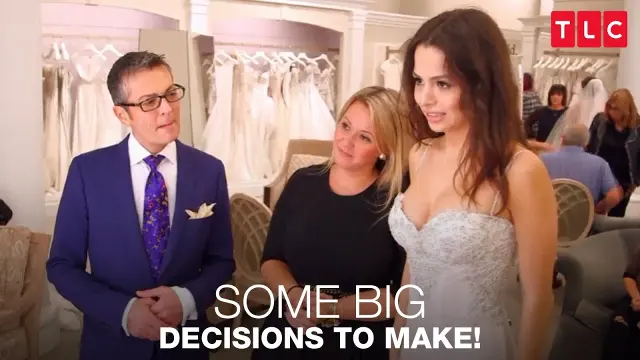
 Highlights of dramatic wedding dress choices on Say Yes to the Dress
#Reality TV
2 ideas
Highlights of dramatic wedding dress choices on Say Yes to the Dress
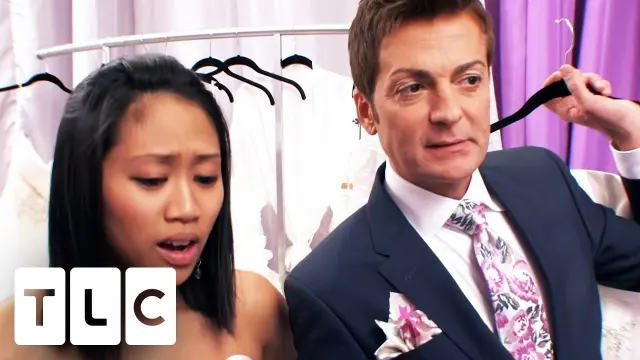 Randy Fenoli Works Through Difficult Bridal Fittings With Demanding Brides
Get new #Reality TV ideas by email
Every Thursday: the week's best ideas, with the newest from #Reality TV.
Related tags
Reality TV: A Guide to the Genre and How It Works
Reality television is a broad label for programmes that present ordinary people, or people presented as themselves, in unscripted situations. The name is a little misleading: the genre sits somewhere between documentary and drama. Producers choose the casting, the setting and the situations, then edit hours of footage into a story with beginnings, conflicts and resolutions. Understanding that middle ground is the key to enjoying the genre without being fooled by it.
Where it comes from
The roots of the format reach back to early television experiments with hidden cameras and ordinary participants, and to documentary traditions that followed real people through their daily lives. What changed the genre was the arrival of cheaper cameras and editing equipment, which made it possible to film continuously and shape the result afterwards. Once production became affordable, the format spread across the world and adapted to almost every local television culture.
The main kinds
Read more
- Competition shows, where contestants are eliminated over a series of challenges, whether cooking, singing, designing or surviving in the wild.
- Docu-soap formats, which follow a group of people through work or family life and lean on personality and conflict.
- Makeover and lifestyle programmes, built around transformations of homes, wardrobes, weddings or appearances.
- Dating and social experiments, which place strangers in structured situations and observe what happens.
- Talent and audition formats, where the discovery narrative matters as much as the skill on display.
Many programmes mix several of these, and formats are frequently licensed and remade in other countries with local casts.
How it is made
Producers cast for contrast, since a group of similar people makes dull television. Filming often runs long hours, and participants live inside a bubble where cameras are constant and contact with the outside world is limited. The story emerges in the edit: which conversations are shown, which are cut, and what music plays underneath all shape how the audience reads a person. Confession-style interviews, filmed separately, let participants frame what happened and give the editors connective tissue.
Watching with a sharper eye
Enjoy the genre for what it offers, and keep a few things in mind. What you see is a selection, not a full record. Behaviour that looks spontaneous may follow a producer's prompt or a reshoot. Reputations are made and broken by editing, and participants are real people whose lives continue after the credits. Pay attention to how music and cutting steer your sympathy, and notice when a scene seems built to produce a reaction.
If you want to get more out of reality television, try watching a single episode twice: once for the story, once for the mechanics. Notice the repeated shots, the cutaway reactions, the moments where a scene is clearly reconstructed. It is one of the few popular genres that lets you see its own construction while you watch, and that double layer is a large part of its pleasure.
#Reality TV: frequently asked questions
What actually counts as reality television?
Reality television is an umbrella term for programmes built around ordinary people, or people playing themselves, placed in situations that were set up by producers rather than scripted line by line. It borrows from documentary in its use of real participants and from drama in its use of casting, staging and editing to shape a story. That in-between position is why the label fits everything from survival contests to home makeovers.
How much of a reality show is scripted?
The situations, locations and casting are chosen in advance and participants are often prompted, reshot or asked to respond to events a producer arranged, but the dialogue itself is not written out. The real authorship happens afterwards, when hours of footage are cut into a narrative with a beginning, conflict and resolution. So the events are broadly genuine while the story you watch is a constructed version of them.
Why do the people on these shows seem so dramatic?
Casting deliberately mixes personalities that will clash, because a group of similar people makes flat television, and participants are often kept together in a closed environment away from ordinary life. Long filming days, constant cameras and distance from friends and family heighten reactions that would pass unnoticed at home. Editing then compresses the most eventful moments into a short episode, which makes the drama look continuous.
What kinds of reality show can I choose from?
The main families are competition shows built around eliminations, docu-soaps following a group through work or family life, makeover and lifestyle programmes centred on transformations, dating and social experiments, and talent or audition formats. Many shows combine two or more of these, and popular formats are commonly remade in other countries with local casts. Picking a type you already enjoy is the easiest way in, since the pleasure of each depends on very different things.
Can I trust what a reality show tells me about a person?
Treat what you see as a selection rather than a full record: which conversations are included, which are cut, and what music sits underneath all steer how you read someone. A scene that looks spontaneous may follow a producer's request or be reconstructed later. Participants are real people whose lives carry on after the credits, so it is worth holding back judgement on the version of them the edit presents.
How can I get more out of watching reality TV?
Try watching one episode twice, first for the story and then for the mechanics behind it. On the second pass, look for repeated shots, cutaway reactions, sudden musical cues and moments that seem staged to provoke a response, and notice how those choices push your sympathy one way or another. Part of the appeal of the genre is that you can see its own construction while you watch it.
Videos come from YouTube and posts from Instagram; titles and summaries are our own. All rights belong to their creators.