 Step by step guide to designing a room from scratch
#Room Design
2 ideas
Step by step guide to designing a room from scratch
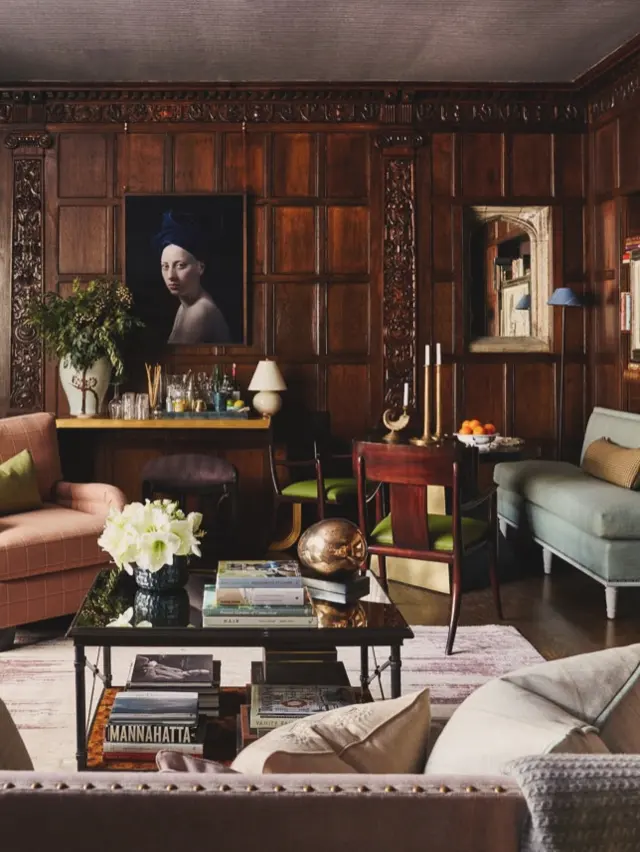 How to build a moody interior without a full renovation
Get new #Room Design ideas by email
Every Thursday: the week's best ideas, with the newest from #Room Design.
Related tags
Room Design: A Beginner's Guide to Planning a Space
Room design is the practice of arranging a space so it works well and feels good to be in. It sits somewhere between interior design, which often involves structural decisions and professional drawing, and decoration, which is mostly about surfaces and objects. What distinguishes room design is the relationship between the parts: how furniture sits in a room, how you move through it, how light falls, how colours meet. A room can be full of beautiful things and still feel wrong if those relationships are neglected.
The discipline has roots in practical needs rather than style. For most of history, rooms were shaped by heating, daylight and the work done in them, and the idea of planning a room around comfort and appearance for its own sake is relatively modern. What has endured is the sequence: decide what the room must do, then how it should feel, then what goes in it. Beginners often work backwards from a piece of furniture or a paint colour and find the rest of the decisions much harder as a result.
The main things to get right
Layout comes first. Sketch the floor plan with measurements, including doors, windows, radiators and power points, then draw in furniture at the correct scale. Leave generous walking space around the routes people actually use, and resist the urge to push everything against the walls; pulling a sofa away from the wall can make a room feel larger and more intentional.
Read more
Proportion matters as much as size. A large rug anchors a seating area and makes it read as a single group. A low ceiling is best served by furniture that stays close to the floor and by horizontal lines that keep the eye moving across the room rather than up and down; anything tall and narrow will only make the ceiling feel closer. A tall room, by contrast, can take a pendant light hung low over a table, drawing attention down to where people sit.
Light is the element most often underestimated. Notice where daylight falls at different times of day before deciding where things go, and treat lamps in layers: an overhead light for utility, then smaller lights for reading and atmosphere at different heights.
Colour, texture and finishing
Colour schemes tend to work best with a clear structure: a dominant neutral, a secondary tone, and one accent repeated in several places so it looks deliberate rather than accidental. Texture does the work that colour alone cannot, mixing smooth and rough, matte and sheen, so a restrained palette still feels rich.
Advice for beginners
Measure everything twice and keep a written record. Live in the room for a while before committing to big purchases. Buy the largest rug and the best sofa you can reasonably afford, since these carry the most visual weight. Keep a place for the things that have no obvious home. And remember that a room is finished when it serves the people using it, not when every surface is filled.
#Room Design: frequently asked questions
How should I start designing a room from scratch?
Start with function rather than objects: decide what the room has to do, then how you want it to feel, and only then choose what goes in it. Sketch a measured floor plan including doors, windows, radiators and power points, then place furniture at scale so you can see the routes people actually walk. Working backwards from a sofa or a paint colour usually makes every later decision harder.
What do I need before I begin planning a room?
You need accurate measurements of the space and everything in it, a floor plan drawn to scale, and a written record of what you have measured so nothing is guessed twice. It also helps to note where daylight falls at different times of day, since light placement shapes where furniture should go. Living in the room for a while before buying anything large is worth the wait.
How do I choose a colour scheme that looks deliberate?
Give the scheme a clear structure: a dominant neutral, a secondary tone, and one accent repeated in a few places so it reads as intentional. Colour alone can leave a restrained palette feeling flat, so mix textures as well — smooth with rough, matte with sheen. Repetition is what makes the accent look chosen rather than accidental.
Which layout mistakes should I avoid?
Pushing every piece of furniture against the walls is the most common one; pulling a sofa out can actually make a room feel larger and more considered. Leaving too little walking space along the routes people use is the next most frequent problem. Also watch proportion — tall, narrow pieces under a low ceiling make it feel closer, while a large rug helps a seating group read as one area.
How do I light a room properly?
Treat lighting in layers rather than relying on a single overhead fixture: overhead light for utility, then smaller lamps at different heights for reading and atmosphere. Before deciding where things go, notice where daylight lands through the day. In a tall room, a pendant hung low over a table draws attention down to where people sit.
How do I keep a room feeling finished instead of cluttered?
Keep a designated place for the things that have no obvious home, so they stop accumulating on surfaces. A room is finished when it serves the people using it, not when every surface is filled. Buying the largest rug and the best sofa you can reasonably manage also gives the space visual weight and calm.
Videos come from YouTube and posts from Instagram; titles and summaries are our own. All rights belong to their creators.