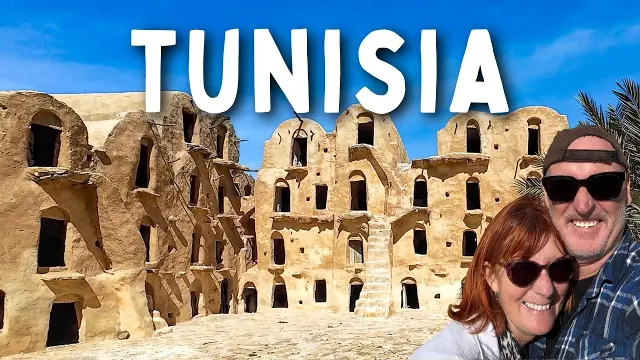
 Ten Amazing Places and Experiences to Explore in Tunisia
#Sahara Desert
5 ideas
Ten Amazing Places and Experiences to Explore in Tunisia
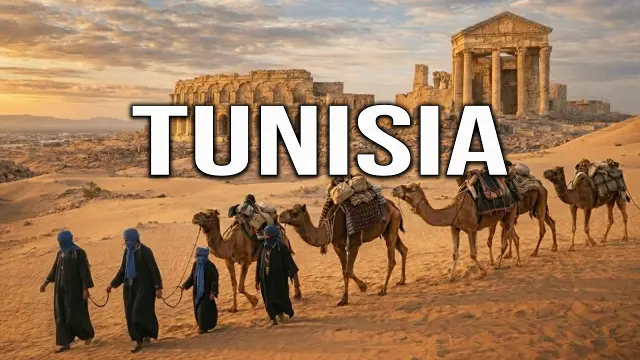 Discovering the Ancient Landscapes and Heritage of Tunisia
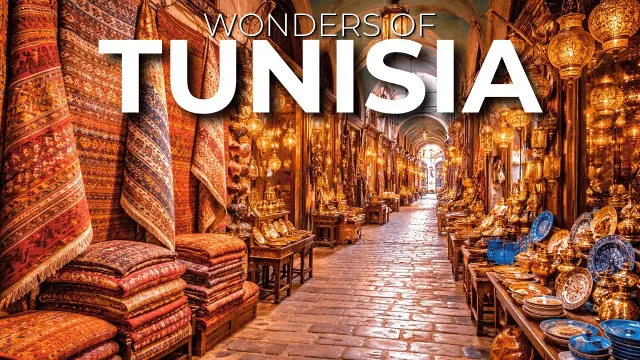 Discovering the Hidden Gems, Oases, and Ancient Ruins of Tunisia
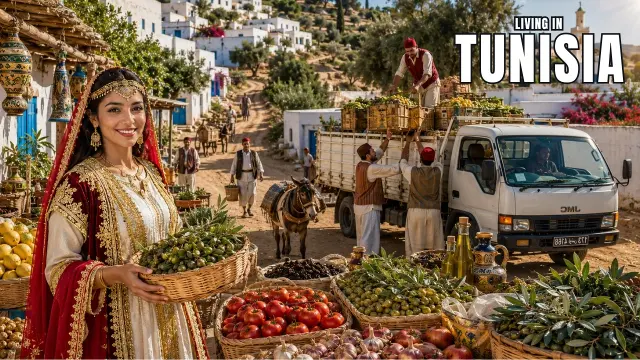 Journey Through Tunisia From the Mediterranean Coast to the Sahara
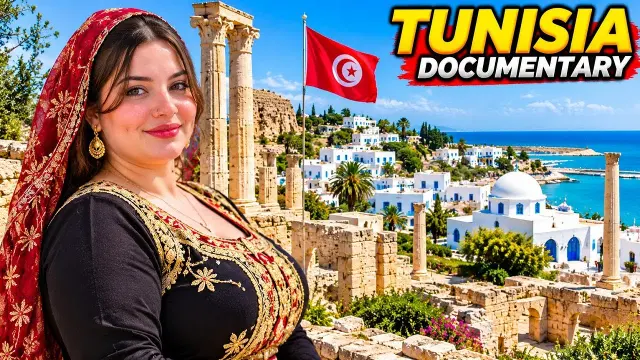 Discovering the History, Culture, and Desert Landscapes of Tunisia
Get new #Sahara Desert ideas by email
Every Thursday: the week's best ideas, with the newest from #Sahara Desert.
Related tags
The Sahara Desert Guide
What the Sahara is
The Sahara is the largest hot desert on Earth, stretching across a wide part of North Africa. It is not a single endless sea of sand, but a vast desert region made up of dunes, rocky plateaus, gravel plains, dry valleys, salt flats, mountains, and scattered oases. Its landscape can seem bare at first glance, yet it is full of variety and quiet beauty.
Deserts like the Sahara are shaped by very little rainfall, strong sunlight, wind, and large changes in temperature between day and night. Because of this, the Sahara has long been a place of adaptation, movement, and survival. People have lived in and traveled through it for centuries, using knowledge of water sources, stars, seasonal routes, and local plants and animals.
What makes the Sahara special
Read more
The Sahara is known for its scale and its silence. In some places you may see tall sand dunes that shift with the wind; in others you may find flat stony ground, cliff edges, or old dried riverbeds. The desert is also home to oases, where water makes it possible for plants, animals, and people to survive.
It has deep cultural importance as well. Communities that live in or near the desert have developed practical ways to work with its conditions, from building shelters and managing water to traveling across long distances. Their traditions, clothing, food, crafts, and storytelling often reflect a close relationship with the desert environment.
Main landscapes and forms
When people speak about the Sahara, they may mean different kinds of desert scenery:
- Sand dunes: large hills of loose sand, often shaped by the wind
- Rocky desert: hard ground with stones, gravel, and exposed rock
- Oases: places where water supports palms and other vegetation
- Salt flats: dry, bright surfaces left behind as water evaporates
- Mountains and plateaus: higher areas that can feel cooler and more rugged
Each of these has its own character, and none should be imagined as empty. Even the most arid-looking parts of the desert can hold traces of life, weather patterns, and human history.
What to know before going
If you are visiting the Sahara, preparation matters more than distance. Conditions can change quickly, and comfort depends on planning.
- Dress in light, loose layers that protect you from sun and wind
- Bring water and drink regularly, even if you do not feel thirsty
- Protect yourself from sun exposure with a hat, scarf, and shade when possible
- Expect cooler nights, even after very hot days
- Walk carefully on sand and uneven ground
- Respect local guidance, especially in remote areas
It is also wise to travel with people who know the area well. The desert can look simple, but routes, weather, and access to water may be more complicated than they seem.
A place to observe slowly
The Sahara rewards patience. Its beauty is often subtle: changing light on dunes, distant horizons, patterns in stone, or the first signs of plants after rain. If you approach it with curiosity rather than expectation, you may notice how much life and history are carried through this landscape.
For many people, the Sahara represents endurance, openness, and calm. It is one of the world’s great natural regions, and also one of its most human, shaped by the relationship between land, climate, and the people who have learned to live with both.
#Sahara Desert: frequently asked questions
How should I prepare for a trip to the Sahara Desert?
The best way to start is by planning for changing conditions rather than just the heat. Wear light layers that cover you from sun and wind, carry enough water, and expect colder evenings after very warm days.
What kind of Sahara experience should I choose if I want scenery and culture?
If you want variety, look for routes that include dunes, rocky desert, and oasis areas, since the Sahara is much more than sand alone. Places that connect desert landscapes with local heritage can give you a richer experience of the region's history and daily life.
What should I bring for a desert outing in the Sahara?
Choose practical items that help with sun, wind, and uneven ground. A hat or scarf, sturdy footwear, water, and clothing that protects your skin will make the experience far more comfortable.
What are the most common mistakes people make in the Sahara?
A common mistake is underestimating how quickly conditions can change, especially between daytime heat and nighttime coolness. Another is assuming the desert is empty and easy to cross, when in fact routes, water, and local guidance matter a lot.
How can I make the Sahara feel special for a visit to Tunisia?
The most memorable experiences often combine desert scenery with culture, such as oasis stops, old routes, and local traditions. Traveling slowly and paying attention to light, silence, and the landscape can make the desert feel much more meaningful.
Videos come from YouTube and posts from Instagram; titles and summaries are our own. All rights belong to their creators.