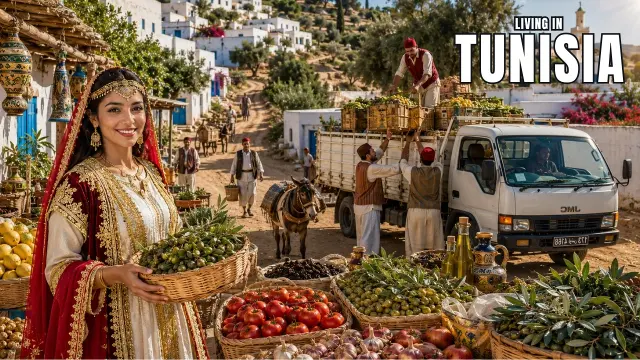
 Journey Through Tunisia From the Mediterranean Coast to the Sahara
#UNESCO Heritage
1 ideas
Journey Through Tunisia From the Mediterranean Coast to the Sahara
Get new #UNESCO Heritage ideas by email
Every Thursday: the week's best ideas, with the newest from #UNESCO Heritage.
Related tags
UNESCO Heritage: A Guide to the World's Treasured Places
UNESCO Heritage refers to places and traditions recognised by the United Nations Educational, Scientific and Cultural Organization as having outstanding value for humanity as a whole. The best-known of these is the World Heritage List, which brings together monuments, landscapes, cities, ecosystems and archaeological sites considered irreplaceable — not because they belong to one nation, but because they say something about all of us.
What World Heritage actually is
The idea behind the list is simple: some places are so significant that their loss would diminish everyone. A site is inscribed after a country nominates it and an advisory body of experts evaluates it against a set of criteria. There are three broad kinds of entry — cultural sites shaped by human hands, natural sites formed by the living world, and mixed sites that are both. A nomination also requires a plan for protection, which is why inscription is as much a commitment as an honour.
Alongside this, UNESCO keeps a separate list for intangible heritage: crafts, music, foodways, festivals and oral traditions. These are living practices rather than places, and their safeguarding is about keeping knowledge alive in the communities that carry it.
Read more
The main kinds of sites you will encounter
- Historic cities and townscapes, valued for their layout, architecture and everyday life.
- Archaeological sites and ruins that hold evidence of past civilisations.
- Religious buildings and complexes — cathedrals, mosques, temples, monasteries.
- Industrial and technological heritage, from mines to bridges to waterworks.
- Cultural landscapes, where farming, settlement and nature have shaped each other over generations.
- Natural wonders: reefs, forests, wetlands, mountain systems, geological formations.
What to know before you go
Inscription is not a guarantee of good visitor facilities, and it does not mean a place is crowded or expensive — some listed sites are quiet and little visited. Read ahead about a site's significance so you understand what you are looking at; a single explanatory panel often repays the effort many times over.
Practical care matters. Stay on marked paths, respect closures and permits, and remember that many listed places are also someone's home, workplace or place of worship. Dress and behave as you would in a neighbourhood you respect, ask before photographing people, and buy from local vendors and guides where you can — heritage survives best when the surrounding community benefits from it.
Be sceptical of the phrase "UNESCO site" as a marketing label. Only the official lists carry that meaning; a town may be near a listed area without being part of it.
Why it endures
The value of all this lies less in the plaque than in the habit it creates: looking at a place and asking what makes it worth passing on, and what it would take to keep it intact for people you will never meet.
#UNESCO Heritage: frequently asked questions
What is UNESCO Heritage, in simple terms?
It is a form of international recognition given to places and living traditions judged to hold outstanding value for humanity as a whole, not just for the country where they sit. The best-known part is the World Heritage List of monuments, landscapes, cities and natural areas, while a separate list covers intangible practices such as crafts, music, foodways and festivals. The point is less the title than the commitment to protect what has been recognised.
How does a place end up on the list?
A country first nominates the site, and an independent body of experts then evaluates it against agreed criteria before any decision is taken. Nomination also requires a credible plan for protection, which is why inscription is treated as a promise rather than a prize. For travellers this matters because it explains why some listed places have strict rules about access and repairs.
What kinds of heritage can I actually visit?
The range is far wider than famous monuments: historic towns, archaeological ruins, religious complexes, industrial works such as mines and bridges, and cultural landscapes where farming and nature have shaped each other over generations. Natural entries include reefs, forests, wetlands and mountain systems. Intangible heritage shows up differently, through workshops, kitchens, festivals and performances rather than buildings.
How should I behave at a listed site?
Treat it as somewhere people live, work or worship rather than as a backdrop. Stay on marked paths, respect closures and permit systems, ask before photographing people, and dress as you would in a neighbourhood you respect. Spending with local guides and vendors is one of the most direct ways to help heritage survive.
Is a listed site always crowded, expensive or well set up for visitors?
No. Recognition says nothing about ticket prices, crowds or facilities, and plenty of listed places are quiet and lightly visited. What is worth doing is reading about a site's significance beforehand, since understanding what you are looking at changes the experience far more than any signboard. Also be wary of the label being used loosely in marketing, as a town can sit near a listed area without being part of it.
What mistakes do people commonly make with heritage travel?
The usual ones are arriving with no context, treating the visit as a photo stop, and assuming the listing guarantees a good experience. Another is confusing genuine inscription with promotional language, which leads people to the wrong place or to expectations nothing can meet. A little preparation and a slower pace fix most of this.
Videos come from YouTube and posts from Instagram; titles and summaries are our own. All rights belong to their creators.