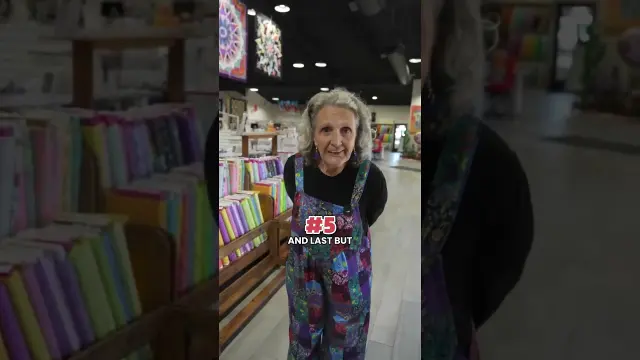
 Five Essential Things to Know Before Making Your First Quilt
#Sewing Guide
1 ideas
Five Essential Things to Know Before Making Your First Quilt
Get new #Sewing Guide ideas by email
Every Thursday: the week's best ideas, with the newest from #Sewing Guide.
Related tags
Sewing Guide for Beginners and Makers
Sewing is the craft of joining fabric with thread to make, alter, or repair clothing, home textiles, and accessories. It has been part of everyday life for centuries, first done by hand and later with the help of sewing machines. Today, sewing can be as simple as mending a hem or as detailed as making a tailored garment or a quilt.
What sewing is used for
You can use sewing to create new pieces, customize items, and extend the life of things you already own. Many people sew to fit clothes better, replace worn parts, decorate fabric with embroidery, or make practical objects such as cushions, bags, curtains, and baby items. Sewing is also useful for repairs, which can make clothing and household textiles last longer.
Basic sewing methods
Read more
There are two main ways to sew: by hand and with a machine. Hand sewing is often used for small repairs, finishing work, delicate fabrics, and decorative stitching. It gives you a lot of control and is a good way to learn how fabric and thread behave.
Machine sewing is faster and helpful for straight seams, long projects, and stronger construction. A sewing machine is not required for every project, but it can make many tasks easier once you understand the basics. Whether you sew by hand or machine, the same core idea applies: you are creating a line of stitches that holds fabric together.
Common kinds of sewing projects
Beginners often start with simple projects such as tote bags, pillow covers, aprons, or basic alterations. Garment sewing includes skirts, tops, dresses, trousers, and children’s clothes. Home sewing covers items like table linens, curtains, and cushion covers. Many people also enjoy patchwork and quilting, which involve sewing pieces of fabric together to form larger patterns or layered textiles.
What beginners should know
Choose easy fabrics at first, such as cotton, because they are usually easier to cut, press, and stitch. Read your pattern or project instructions carefully before you begin, and always measure twice before cutting. Cutting neatly and pinning or clipping fabric well can make sewing much easier later.
It also helps to learn a few basics early:
- How to thread your needle or machine
- How to make a straight seam
- How to backstitch or secure the ends
- How to press seams as you go
- How to finish raw edges to help stop fraying
Helpful habits for better results
Take your time, especially when learning. Small mistakes are normal and often easy to fix. Keep your tools simple and organized: sharp scissors, pins or clips, thread, needles, measuring tools, and an iron are enough for many projects. Pressing fabric is not the same as sewing, but it is just as important, because it helps seams lie flat and gives your work a neater finish.
Sewing becomes more enjoyable as your confidence grows. Start with a project that feels manageable, finish it well, and then build from there. The more you sew, the more you will understand how different fabrics, stitches, and shapes work together.
#Sewing Guide: frequently asked questions
How do I start learning sewing as a beginner?
Start with a very simple project and focus on learning the basics first, such as threading, making a straight seam, and securing stitches. It also helps to read the instructions carefully, work slowly, and choose a fabric that is easy to handle.
What do I need for basic sewing?
For many beginner projects, you only need a few simple tools: fabric, thread, needles, scissors, pins or clips, a measuring tool, and an iron. A sewing machine can be helpful, but it is not necessary for every project.
Should I begin with hand sewing or a sewing machine?
Hand sewing is a good place to start if you want more control and plan to do small repairs, finishing work, or decorative stitching. A machine is better for longer seams, bigger projects, and faster construction once you are comfortable with the basics.
What kinds of sewing projects are best for beginners?
Easy projects like tote bags, pillow covers, aprons, and simple alterations are often a good choice. These help you practice straight seams, pressing, and finishing edges without making the project too complicated.
What is the best fabric to use when I am just starting?
Choose a fabric that is easy to cut, press, and stitch, such as cotton. Softer, slippery, or very delicate fabrics can be harder to control until you have more practice.
What are common mistakes to avoid in sewing?
A few common mistakes are cutting without measuring carefully, skipping the pattern instructions, and not pressing seams as you work. It also helps to secure raw edges and take your time, since rushing often leads to uneven stitches or poor fit.
Videos come from YouTube and posts from Instagram; titles and summaries are our own. All rights belong to their creators.