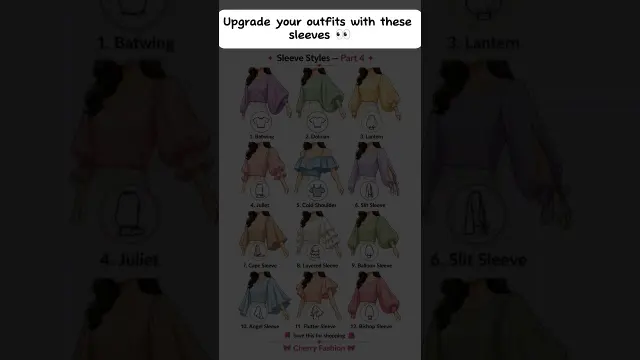
 Twelve More Sleeve Designs That Change How an Outfit Looks
#Sleeve Designs
5 ideas
Twelve More Sleeve Designs That Change How an Outfit Looks
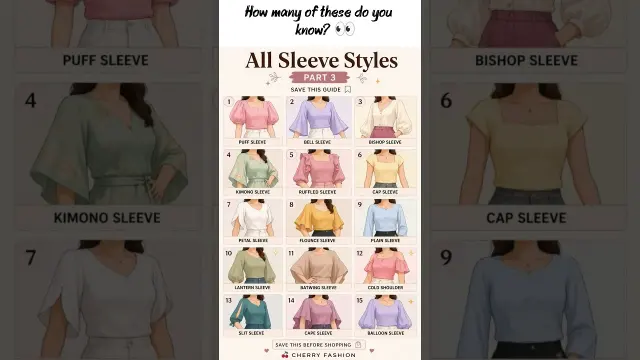 Fifteen Sleeve Styles to Recognise, From Puff to Batwing
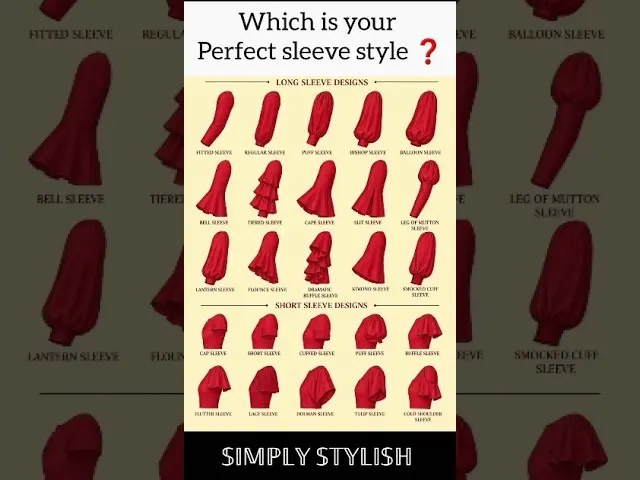 Chart of 25 Long and Short Sleeve Designs With Their Names
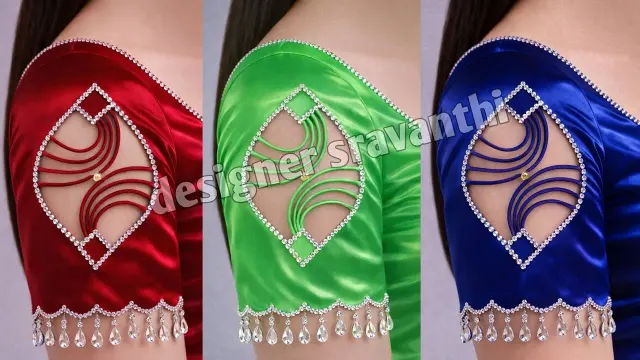 Ten Blouse Sleeve Designs to Try for Daily, Party and Bridal Wear
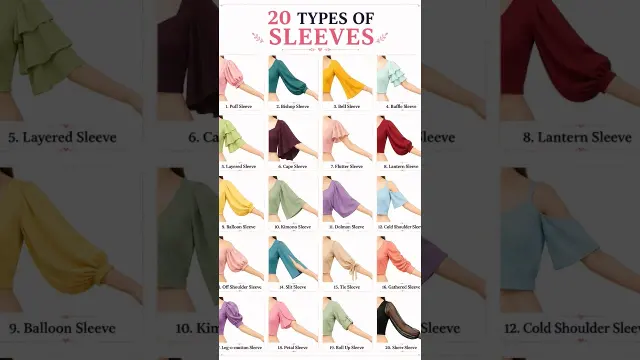 Twenty Sleeve Types for Kurtis, Blouses, Tops and Dresses
Get new #Sleeve Designs ideas by email
Every Thursday: the week's best ideas, with the newest from #Sleeve Designs.
Related tags
Sleeve Designs: A Guide to Cuts, Names and Shapes
A sleeve is the part of a garment that covers the arm, and it is often the detail that decides how a piece of clothing reads. The same bodice in the same fabric can look formal, sporty, romantic or severe depending on what is attached at the shoulder. That is why people who sew keep a small library of sleeve patterns, and why so many of us fall for a top because of its shoulders alone.
Where sleeve shapes come from
Covering the arm is an old idea, but the shapes we recognise today grew out of tailoring traditions in different parts of the world, adapted for climate, modesty, work and ornament. A garment for lifting and carrying needs room to move; a formal dress needs volume that signals occasion without needing buttons. Over time those practical answers hardened into a shared vocabulary of names, which is why a bishop or a dolman sleeve means roughly the same thing to sewers in different countries.
The main shapes to know
Read more
- Cap: a short sleeve covering just the shoulder, usually with a soft curve.
- Set-in: the classic sleeve joined at a shoulder seam and shaped into an armhole.
- Raglan: cut diagonally from underarm to collarbone, so there is no shoulder seam.
- Puff: gathered at the top or bottom to create volume, from a gentle bubble to a full balloon.
- Bishop: roomy through the arm and gathered into a fitted cuff.
- Bell and flared: narrow at the shoulder, opening below the elbow.
- Flutter and butterfly: short, loose layers that move with the arm.
- Batwing or dolman: cut in one piece with the body, wide under the arm.
- Kimono: a broad, straight sleeve hanging from the shoulder without a set armhole.
How a sleeve changes the line
Volume at the shoulder draws the eye upward. A narrow sleeve keeps attention on the waist and face. A sleeve that stops at the widest part of the upper arm places a horizontal line right there. Rather than judging a sleeve on its own, notice where it ends and where the fullness sits, then look at the whole outfit.
Fabric matters as much as the shape
Crisp cotton holds a puff. Fluid viscose collapses into drape. Jersey stretches enough to allow a closer fit without a fastening. Change the fabric and the sleeve changes character, so treat any substitution as a small experiment rather than a straight swap.
If you are sewing your own
Begin with a simple set-in or kimono sleeve in a stable woven fabric. Check the armhole measurement against the sleeve cap before you cut, mark the front and back of the sleeve so it cannot go in the wrong way round, and press the seam allowances as you go. Sew a test version in inexpensive cloth first; a sleeve that pulls or twists is much easier to fix in scrap fabric than in good fabric.
Choosing one for yourself
Think about what you will be doing in the garment, how much warmth and coverage you want, and whether you prefer your shoulders sharp or soft. Sleeves are forgiving: a shape that feels too dramatic in the abstract often looks perfectly ordinary once it is on a body and moving.
#Sleeve Designs: frequently asked questions
How do I choose the right sleeve style for a top or dress?
Start with the mood and the way you want the garment to sit on the body. A fuller sleeve creates more drama and draws attention upward, while a slimmer sleeve feels cleaner and keeps the focus elsewhere. Comfort, movement, and the occasion should guide the choice as much as appearance.
What sleeve designs are easiest for a beginner to sew?
A simple set-in sleeve or a kimono-style sleeve is usually the easiest place to begin. These styles are easier to understand because they follow familiar shapes and do not rely on complex gathering or heavy shaping. A test version in a cheaper fabric can help you spot fit problems before you cut into your main fabric.
What should I consider before changing the sleeve fabric or shape?
Fabric can change a sleeve completely, even when the pattern stays the same. A crisp fabric holds structure well, while a soft, fluid fabric gives more drape and movement. If you swap materials, treat it like a fresh version of the design and expect the sleeve to behave differently.
Which sleeve style works best for a formal or special occasion outfit?
Sleeves with volume, structure, or graceful movement often feel more occasion-ready. Puff, bishop, flutter, and flared styles can make a blouse or dress look more dressed up without changing the rest of the garment much. The best choice depends on whether you want the look to feel romantic, elegant, or dramatic.
What are the most common mistakes when sewing sleeves?
One common mistake is mixing up the front and back of the sleeve, which can make the garment twist or sit poorly. Another is not checking the armhole and sleeve cap fit before sewing, since small differences can affect comfort and shape. Pressing as you sew and testing the fit early can prevent many problems.
Videos come from YouTube and posts from Instagram; titles and summaries are our own. All rights belong to their creators.