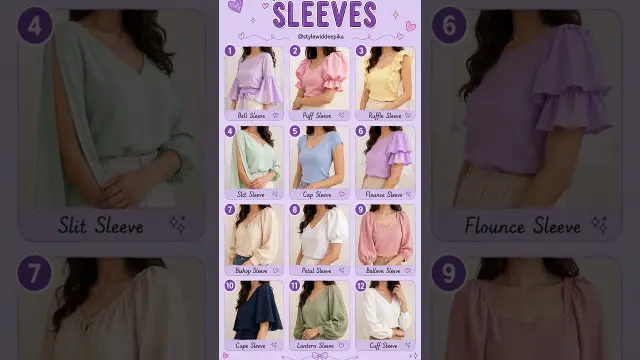
 Twelve Sleeve Types for Tops, Blouses and Kurtis Explained
#Sleeve Styles
13 ideas
Twelve Sleeve Types for Tops, Blouses and Kurtis Explained
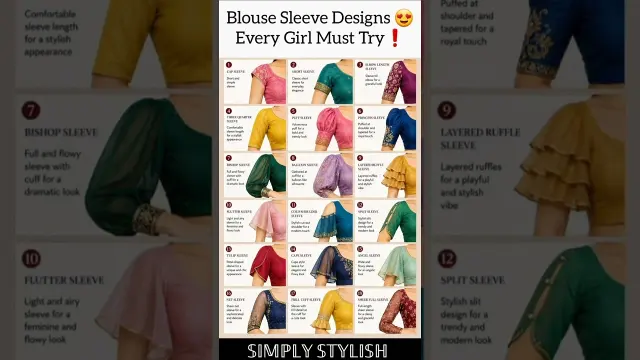 Eighteen Saree Blouse Sleeve Designs From Cap to Angel
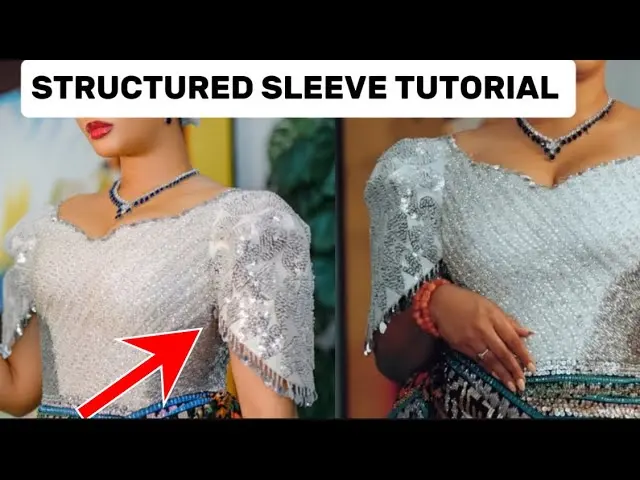 How to Sew a Structured Pointed Puff Sleeve: Beginner Tutorial
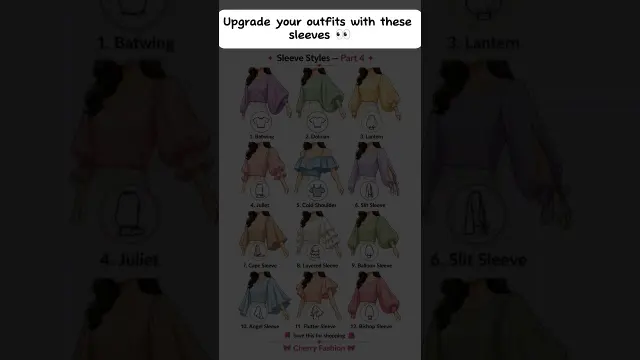 Twelve More Sleeve Designs That Change How an Outfit Looks
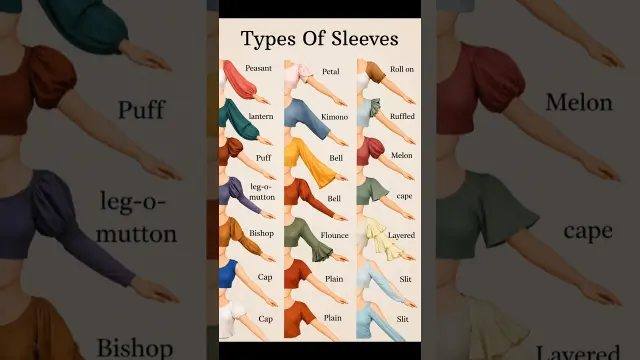 A Quick Guide to Twenty Popular Sleeve Styles
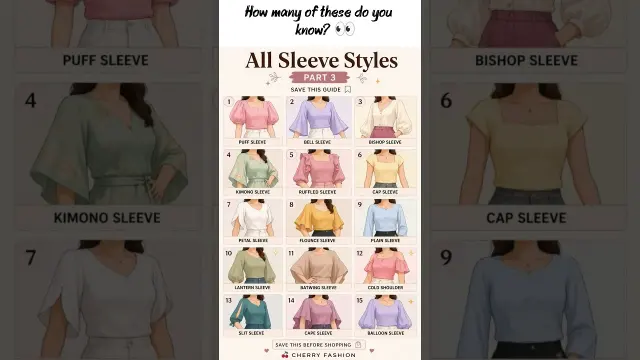 Fifteen Sleeve Styles to Recognise, From Puff to Batwing
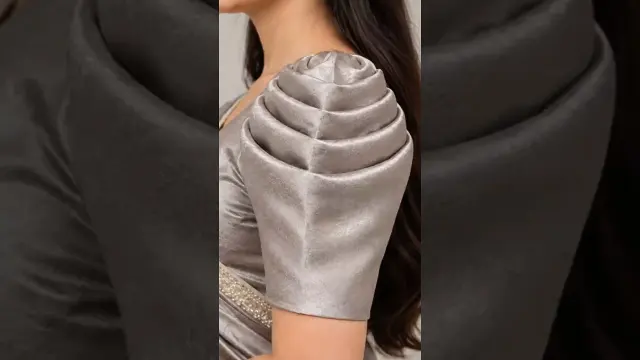 Sewing a Draped Cowl Sleeve Blouse: Cutting and Stitching
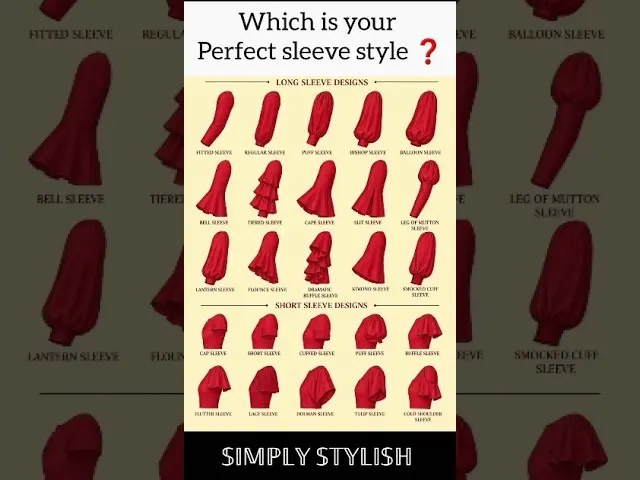 Chart of 25 Long and Short Sleeve Designs With Their Names
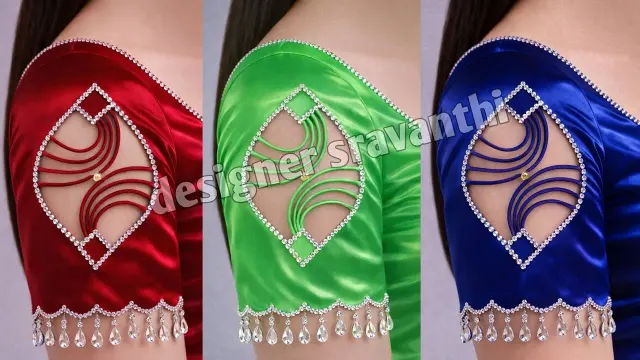 Ten Blouse Sleeve Designs to Try for Daily, Party and Bridal Wear
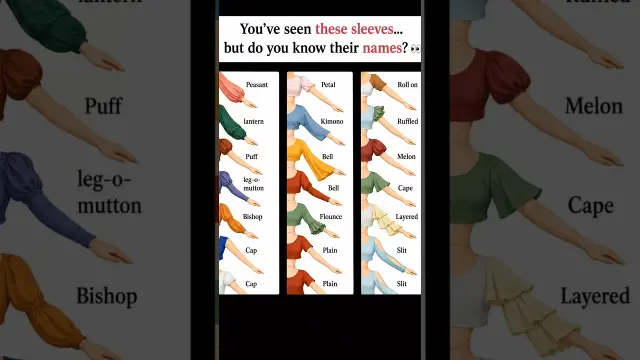 Visual Guide to Common Sleeve Styles: Peasant, Bishop, Kimono and More
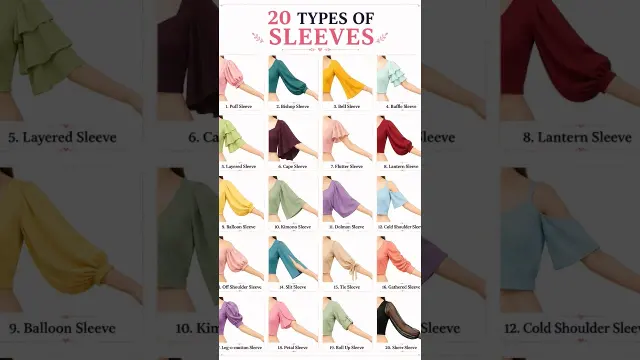 Twenty Sleeve Types for Kurtis, Blouses, Tops and Dresses
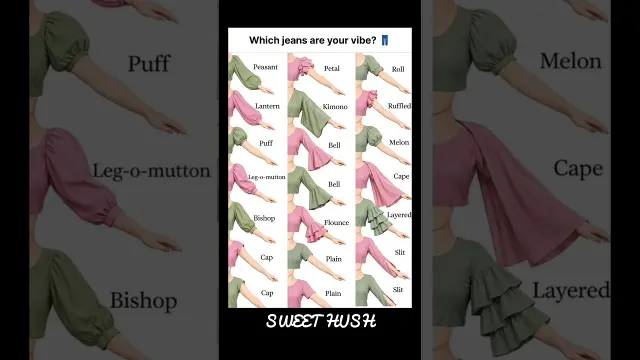 Twenty-One Sleeve Designs for Blouses, Kurtis and Tops
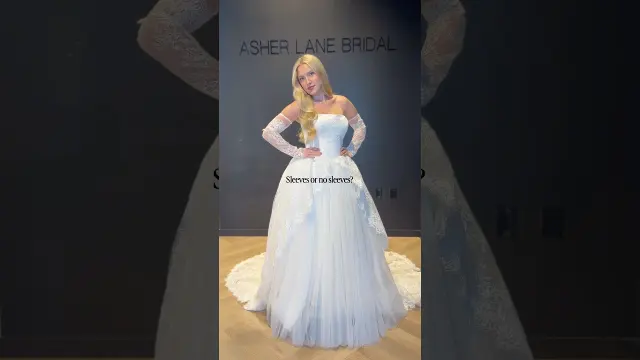 Vintage Lace Ballgown Shown With and Without Sleeves
Get new #Sleeve Styles ideas by email
Every Thursday: the week's best ideas, with the newest from #Sleeve Styles.
Related tags
Sleeve Styles: A Guide to Cuts, Shapes and Names
A sleeve is the part of a garment that covers the arm, and it is one of the fastest ways to change how a piece of clothing reads. The same bodice can look tailored, romantic, sporty or formal depending on what happens at the shoulder and the wrist. Because of this, sleeve names are among the most useful words in sewing and dressmaking: they let a pattern, a sketch or a shop description point to one specific shape.
How a sleeve joins the body
The largest distinction is construction. A set-in sleeve has its own shaped cap and is stitched into a curved armhole, giving a clean, fitted shoulder. A raglan sleeve runs in a diagonal line from the underarm to the neckline, which softens the shoulder and is easy to sew. A drop-shoulder sleeve extends past the natural shoulder line and hangs straight. A cut-on or kimono sleeve is not separate at all: the fabric continues from the body into the arm, so the garment is cut as one piece.
Length and volume
Read more
Length gives you cap, short, elbow, three-quarter and full-length sleeves. Volume gives you the rest. A puff sleeve gathers at the cap and sometimes at the cuff as well. A bishop sleeve is full along the arm and gathered into a fitted cuff, while a balloon sleeve holds its fullness low and rounded. A bell or flared sleeve widens toward the hem. A flutter sleeve is a short, soft layer that moves freely. A batwing sleeve is very wide at the underarm and narrow at the wrist.
Details that change a sleeve
Cuffs, plackets, slits, gathers, pleats and elastic bands all shift a sleeve's character without altering its basic cut. A simple tube becomes a peasant sleeve once elastic gathers the top edge; a plain long sleeve becomes formal with a buttoned cuff. Sleeve heads, the small padded shapes inside the cap, hold structure in tailored jackets.
What beginners should know
Fit matters more than decoration. A sleeve that restricts the arm usually needs more ease across the upper arm or a deeper armhole, not a different style. Drape matters too: crisp fabrics hold puff and pleat shapes, while fluid fabrics suit cowl, flutter and bishop styles. When gathering, work a pair of loose lines of stitching and pull them evenly rather than in one spot. Sew a test version in cheap fabric before cutting good cloth, and check that you can raise your arms, drive, and reach forward comfortably.
Choosing a sleeve
Think about the whole silhouette. Full sleeves balance a slim skirt; narrow sleeves suit a wide or heavily detailed body. Consider the season, the fabric's weight, and how much fuss you want at the wrist. Once you can name the shapes, reading a pattern or describing what you want becomes far easier.
#Sleeve Styles: frequently asked questions
What is the difference between a set-in sleeve and a raglan sleeve?
A set-in sleeve has its own shaped cap and is stitched into a curved armhole, which gives a clean, structured shoulder. A raglan sleeve instead runs in a diagonal seam from the underarm up to the neckline, softening the shoulder line and making it a forgiving style to sew. The choice mostly comes down to whether you want a tailored shoulder or a relaxed one.
How do I pick a sleeve style that suits my outfit?
Look at the whole silhouette rather than the sleeve alone: full, voluminous sleeves balance a slim skirt, while narrow sleeves sit better with a wide or heavily detailed body. Then factor in the season, how heavy the fabric is, and how much fuss you want at the wrist. Naming the shapes you like makes it much easier to read a pattern or describe what you want.
What should a beginner know before sewing a sleeve for the first time?
Fit matters far more than decoration, so start by checking that you can raise your arms, reach forward and drive without the sleeve pulling. If it restricts you, the fix is usually more ease across the upper arm or a deeper armhole, not a different style. Sew a test version in inexpensive fabric first, and match the fabric to the shape: crisp cloth holds puff and pleat, fluid cloth suits cowl, flutter and bishop.
Which sleeve style works for a party, wedding or formal outfit?
Formal looks usually lean on structure and restraint, so a fitted sleeve finished with a buttoned cuff or a placket reads dressier than a plain tube. Puff and bishop shapes add drama when cut in a fabric that holds its shape, while flutter and cowl sleeves give a softer, more romantic effect. Match the detail at the wrist to the rest of the outfit so the sleeve supports the look rather than competing with it.
What are the most common mistakes people make with sleeves?
The usual culprit is a sleeve that feels tight across the upper arm, which is a fit problem rather than a style problem. Another is gathering unevenly by pulling a single thread in one spot, when working two loose lines of stitching and drawing them up evenly gives a much cleaner result. Choosing a stiff fabric for a drapey style, or a fluid one for a structured puff, is the third trap to avoid.
How should I care for garments with shaped or gathered sleeves?
Follow the care guidance for the fabric itself, and pay extra attention to the sleeve when pressing: press gathers and pleats gently from the inside so they keep their shape instead of flattening. Structured jackets with padded sleeve heads hold their line best when hung on a broad hanger rather than folded. Storing full sleeves loosely, without crushing the cap, keeps them looking as intended between wears.
Videos come from YouTube and posts from Instagram; titles and summaries are our own. All rights belong to their creators.