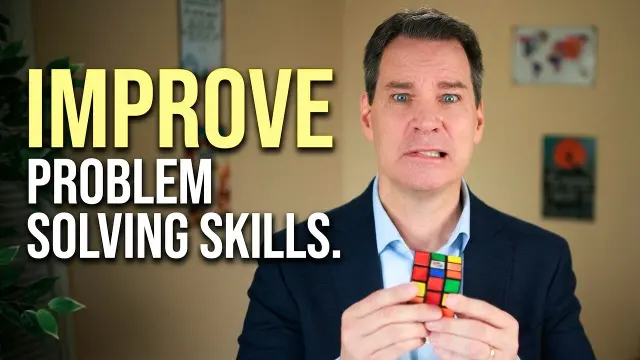
 How to Build Stronger Problem-Solving Skills at Work
#Soft Skills
1 ideas
How to Build Stronger Problem-Solving Skills at Work
Get new #Soft Skills ideas by email
Every Thursday: the week's best ideas, with the newest from #Soft Skills.
Related tags
Soft Skills: The Human Side of Work and Life
Soft skills are the interpersonal and personal qualities that shape how you work with other people and how you manage yourself. They sit alongside technical skills, sometimes called hard skills, which are the specific, teachable abilities tied to a task or profession. Soft skills are harder to measure and rarely taught in a single course, which is why many people develop them slowly, through experience, observation and feedback.
The term itself is a piece of workplace vocabulary rather than a scientific one. It became common as a way to describe the abilities that make technical knowledge usable: listening, explaining, cooperating, adapting. Different fields and countries use slightly different labels, such as people skills, transferable skills or employability skills, but the underlying idea is the same. They travel well, because they matter in almost every job and in life outside work.
The main kinds
There is no single official list, but a few clusters appear almost everywhere:
Read more
- Communication: listening properly, explaining clearly, writing with care, choosing the right tone for the situation.
- Collaboration: sharing credit, negotiating disagreements, working with people whose styles differ from yours.
- Emotional awareness: noticing your own reactions and reading other people's, including the unspoken parts.
- Organisation: managing time, planning, prioritising, and doing what you said you would do.
- Adaptability: staying steady when plans change and learning from things that go wrong.
- Critical thinking: asking good questions, weighing evidence, and knowing when you need more information.
- Empathy and patience: the everyday habits that make other people feel taken seriously.
Where they come from
Soft skills are partly habits and partly learned behaviour. Some people grow up in environments that model them well; others arrive at adulthood with gaps that are perfectly fixable. Because they are not fixed traits, they respond to practice. The most useful move for a beginner is to pick one skill rather than all of them, and to focus on concrete behaviour instead of a vague ambition. "I want to be a better listener" is hard to act on. "In meetings, I will not interrupt before someone has finished a sentence" is easy.
Practical starting points
Ask for specific feedback. People often avoid saying what they really think, so make it easier by asking a narrow question, such as what you could have done differently in a particular conversation. Treat criticism as information rather than a verdict. Watch people who seem to handle difficult moments well, and notice what they actually do, not just what they say. Get into the habit of a short pause before replying, especially when you feel defensive; a heartbeat of delay changes a great deal.
Finally, remember that soft skills are not performance. Politeness without honesty is not communication, and agreeableness without judgement is not collaboration. The aim is to be clear and considerate at the same time, which is more demanding than either on its own. Think of it as practice rather than a personality label: the small, repeated choices carry most of the weight.
#Soft Skills: frequently asked questions
How do I start improving my soft skills when I don't know where to begin?
Choose one skill instead of trying to fix everything at once, then turn it into a specific behaviour you can actually notice yourself doing or not doing. A narrow intention you can act on in a particular situation works far better than a broad wish to be better with people. From there, ask someone you trust for feedback on that one behaviour rather than on your personality in general.
Do I need a course or qualification to develop soft skills?
No. These abilities are mostly picked up through experience, watching others and hearing honest feedback, so formal training is optional rather than a requirement. What matters more is deliberate practice in real situations and a willingness to adjust when something doesn't land well.
Which soft skills should I focus on first?
It depends on what your days actually demand: a role full of meetings rewards listening and explaining, while independent work rewards organisation and adaptability. Communication and reliability tend to travel furthest, since almost every job depends on them. Pick the one that would make the biggest difference to the people you work with right now.
Can soft skills really be learned, or are they fixed parts of my personality?
They can be learned. They are partly habits and partly behaviour you've absorbed from the people around you, which means they respond to repetition rather than being permanent traits. Treating them as practice rather than as a label attached to your character makes it much easier to keep going when progress feels slow.
What mistakes do people usually make when working on soft skills?
The most common is aiming at something vague, like wanting to be a better listener, without deciding what you will actually do differently in a conversation. Another is mistaking agreeableness or politeness for genuine communication, which leaves the real message unsaid. Taking criticism as a verdict on you rather than as useful information also stops people from improving.
How do I keep improving after the first few attempts?
Build small habits into ordinary moments, such as pausing before replying when you feel defensive, and let the repetition do the work. Watch people who handle awkward or difficult situations well and copy the concrete things they do. Asking for feedback after specific conversations, rather than in general terms, keeps giving you something to adjust.
Videos come from YouTube and posts from Instagram; titles and summaries are our own. All rights belong to their creators.