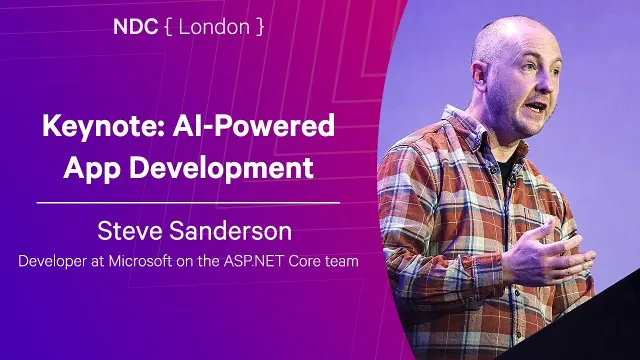
 Conference Keynote on AI-Powered App Development
#Software Development
10 ideas
Conference Keynote on AI-Powered App Development
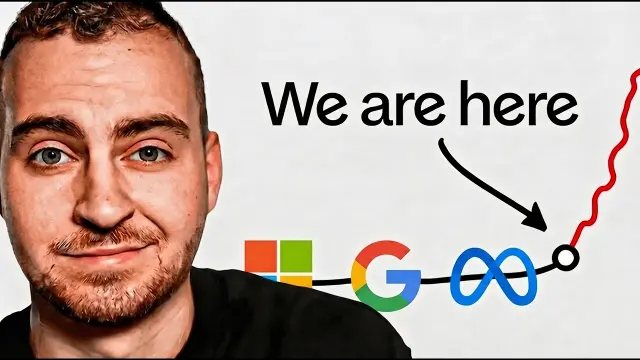 The Current State of Software Engineering and AI Tools
 Building a Decentralized Registry System on Ethereum with Solidity
 Current Data and Trends in Software Engineering Careers
 The Evolving Job of a Software Engineer Beyond Writing Code
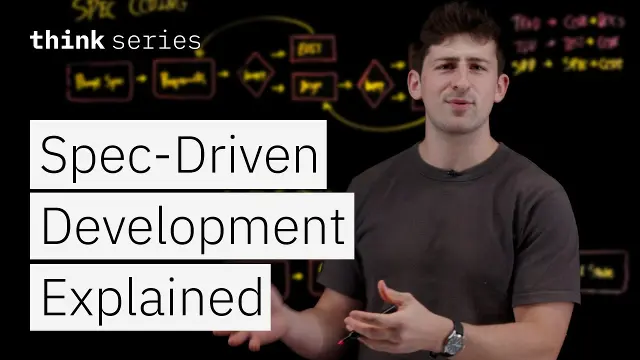 Spec-Driven Development and AI Assisted Coding Explained
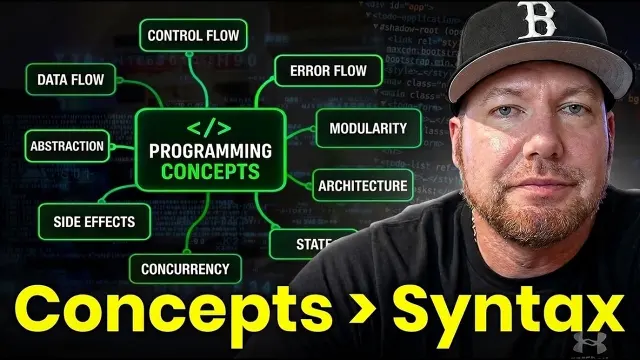 Twelve Important Programming Concepts in the Age of AI
 Day in the Life and Responsibilities of a Software Engineer
 Rethinking AI Coding Tools and Agents in the SDLC
 Architecture Guide for Building Financial Data Platforms
Get new #Software Development ideas by email
Every Thursday: the week's best ideas, with the newest from #Software Development.
Related tags
Software Development Guide
Software development is the process of planning, creating, testing, and maintaining computer programs and digital systems. It can range from a small mobile app to a large business platform that supports many users at once. At its core, software development turns an idea or a problem into something a computer can do reliably and safely.
What software development includes
The work usually starts with understanding the goal. A developer, team, or product owner looks at what the software should do, who will use it, and what problems it should solve. From there, the team designs how the system should work, writes the code, checks for mistakes, and improves it over time. Good software is rarely finished in one step; it is usually refined through repeated testing and feedback.
Software can be built for many purposes. Some programs are designed for websites and online services. Others run on phones, desktop computers, or internal business systems. Some software is made to automate tasks, store information, help people communicate, or control devices.
Read more
Common approaches and styles
There are different ways to organize software development. Some teams prefer a step-by-step approach, where each stage is planned in advance. Others work in shorter cycles, building small pieces first and improving them gradually. The best approach depends on the size of the project, how clear the requirements are, and how often the software may need to change.
You may also hear about front-end and back-end development. Front-end development focuses on what people see and interact with, such as buttons, forms, and layouts. Back-end development handles the logic behind the scenes, including data storage, security, and communication between systems. Many projects need both.
Techniques and habits that matter
Clear thinking is as important as coding skill. A useful software project usually begins with simple structure, readable code, and careful planning. Testing is also essential, because it helps catch errors before users do. Developers often test individual parts of a program, then test how the parts work together.
Another important habit is keeping code maintainable. That means writing in a way that other people can understand and improve later. Comments, sensible names, and consistent structure can make a big difference. Version control is also widely used so changes can be tracked and shared safely.
What beginners should know
If you are new to software development, start with the basics: how programs work, how to break a problem into smaller parts, and how to read and write simple code. It helps to practice with small projects rather than trying to build something too large at first. A calculator, to-do list, or simple website can teach you a lot.
Be patient with debugging, because fixing errors is a normal part of the process. Reading error messages carefully, testing one change at a time, and asking clear questions will help you learn faster. Over time, you will become more comfortable with the rhythm of building, checking, and improving software.
Practical tips
- Begin with a clear goal and a small first version.
- Write code that is easy to read, not just code that works.
- Test often and make changes in small steps.
- Keep notes on what you build and what you learn.
- Focus on solving real problems, not just adding features.
Software development is both technical and creative. When you approach it carefully, it becomes a practical way to build tools that are useful, dependable, and easier to improve over time.
#Software Development: frequently asked questions
How do I start learning software development as a beginner?
Start by learning how programs work and how to break a problem into smaller parts. Begin with small projects like a simple calculator, to-do list, or basic website so you can practice building, testing, and fixing without getting overwhelmed.
What do I need to begin software development?
You need a clear goal, a basic understanding of logic, and a willingness to practice writing and reading code. It also helps to use a code editor, learn how to test your work, and get comfortable with reading error messages and debugging.
Should I focus on front-end or back-end development?
Choose front-end if you enjoy designing what users see and interact with, like layouts, buttons, and forms. Choose back-end if you prefer working on the logic behind the scenes, such as data handling, security, and system communication. Many developers learn both over time.
What is the best way to keep code easy to maintain?
Write code that is clear, consistent, and easy for someone else to understand later. Good names, simple structure, comments where useful, and small changes tested often all help make software easier to improve and support.
What are common mistakes beginners make in software development?
A common mistake is trying to build something too large before learning the basics. Another is skipping testing or changing too many things at once, which can make bugs harder to find. It is better to work in small steps, test often, and focus on solving the real problem.
Videos come from YouTube and posts from Instagram; titles and summaries are our own. All rights belong to their creators.