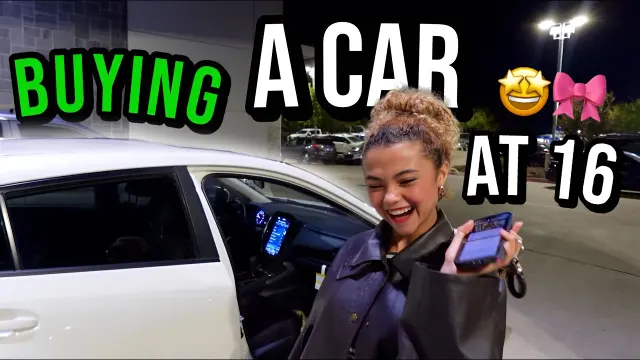
 Teen Documents Her First Solo Drive in a Brand New Car
#Solo Driving
1 ideas
Teen Documents Her First Solo Drive in a Brand New Car
Get new #Solo Driving ideas by email
Every Thursday: the week's best ideas, with the newest from #Solo Driving.
Related tags
Solo Driving: A Guide to Your First Time Alone at the Wheel
Solo driving is exactly what it sounds like: being in the driver's seat with no instructor beside you, no parent in the passenger seat, no one to check the mirror for you. For many people it is the moment a licence finally turns into freedom — and, just as often, the moment a knot forms in the stomach. Both reactions are normal. Driving alone is a genuine change of situation, not just a change of address.
Why it feels different
With company in the car, there is a safety net. Someone else watches the junction, comments on the gap, or takes over the navigation. Alone, all of it rests with you, and the silence makes every decision feel louder. That feeling is not a sign that you are unprepared; it is simply what responsibility feels like at first. It fades with repetition, faster than most people expect.
Before you set off
Read more
A short ritual at the start of a journey prevents a surprising number of problems:
- Set your destination in the navigation app before you move, not at the first red light.
- Adjust the seat, mirrors and headrest for this trip, even if no one else has driven the car.
- Check fuel or charge, tyres and lights at a glance.
- Put your phone out of reach, and silence notifications.
- Know roughly where you are going, not just what the screen says.
Choose a first solo route that is familiar and forgiving: daylight, dry weather, roads you have driven before, and no hard deadline. Confidence is built on easy repetitions, not on ambitious ones.
On the road
Drive a little more deliberately than you would with company. Leave a larger gap ahead, signal earlier, and give yourself permission to take the slower turn or the longer way round. If you miss an exit, continue and turn around safely — a detour costs minutes, a rushed correction can cost far more.
Talk yourself through manoeuvres if it helps. Many drivers narrate quietly — mirror, signal, check, go — and it keeps attention where it belongs. Music at a low volume is fine; anything that pulls your eyes away is not.
When something goes wrong
Stalling, a wrong turn, an impatient driver behind you: none of these are emergencies. If you need to stop, pull over somewhere legal and safe, breathe, and restart. If you feel lost, park and look at the map rather than reading it while moving. The correct response to doubt is always to slow down or stop, never to hurry.
Building confidence
Short, frequent trips teach more than one long, anxious one. Vary the conditions gradually — a busier road, then dusk, then rain — so each new element arrives on its own. After a few weeks, the quiet car stops feeling empty and starts feeling like your own space. That is when solo driving becomes simply driving.
#Solo Driving: frequently asked questions
How do I start driving alone for the first time?
Begin with a trip you don't really need to make: a familiar route, in daylight, in good weather, with no deadline pressing on you. Set up the car before you pull away — seat, mirrors, headrest, destination in the navigation — so the drive itself is the only thing left to think about. The point is easy repetition, not a test of nerve.
What should I check before setting off on my own?
Run a short ritual every time: adjust the seat and mirrors even if nobody else has touched the car, glance at fuel or charge, tyres and lights, and put your phone somewhere you can't reach it. Enter the destination before you move rather than at the first junction, and make sure you know roughly where you're going instead of only trusting the screen. It takes a moment and prevents a surprising number of small problems.
Which kind of route is best for a first solo drive?
Pick something forgiving — roads you have already driven with someone beside you, in daylight, without traffic you don't expect. A short, boring route you can repeat beats an ambitious one that leaves you tense, because confidence comes from easy trips stacking up. Add harder conditions gradually, one at a time.
What should I do if I stall, take a wrong turn or miss an exit?
Treat all of these as normal parts of driving rather than emergencies. If you miss an exit or a turn, carry on and turn around safely somewhere legal — a detour costs minutes, while a rushed correction is where real trouble starts. If you feel lost or flustered, pull over somewhere safe and legal, breathe, look at the map while stopped, and set off again.
How do I build confidence driving alone?
Go out often for short trips rather than saving up one long anxious journey. Widen the conditions slowly — a busier road, then dusk, then rain — so each new element arrives on its own and you have time to get used to it. The quiet car eventually stops feeling empty and starts feeling like your own space.
What mistakes do people make when they start driving solo?
The common ones are fiddling with navigation while moving, letting a phone or a notification pull your eyes off the road, and hurrying to fix a mistake instead of slowing down. Another is driving exactly as you did with company rather than a little more deliberately — bigger gaps, earlier signals, and permission to take the slower turn. Talking yourself through manoeuvres quietly helps keep attention where it belongs.
Videos come from YouTube and posts from Instagram; titles and summaries are our own. All rights belong to their creators.