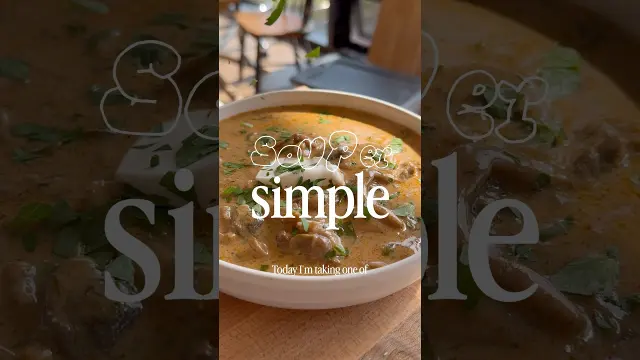
 The Creamiest Hungarian Mushroom Soup
#Soup Recipe
13 ideas
The Creamiest Hungarian Mushroom Soup
 Rich and Smoky Creamy Chipotle Chicken Tortilla Soup
 Creamy Homemade Mushroom Soup Recipe
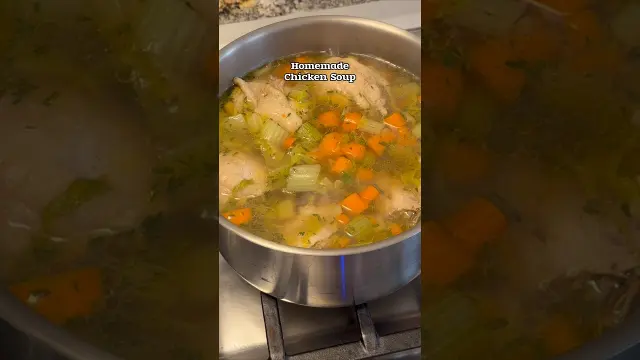 Simple Homemade Chicken Soup With Fresh Thyme
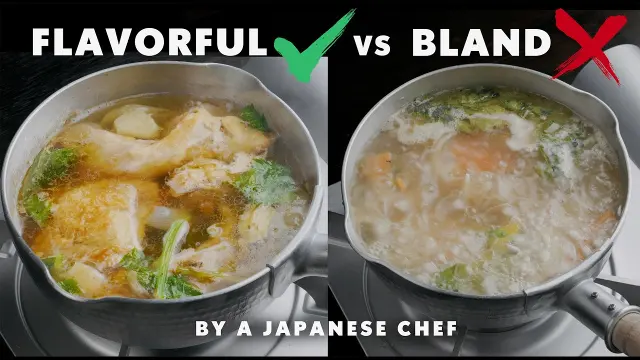 Japanese Chef Technique For Rich And Tender Chicken Soup
 The Best Cozy And Healthy Homemade Chicken Soup
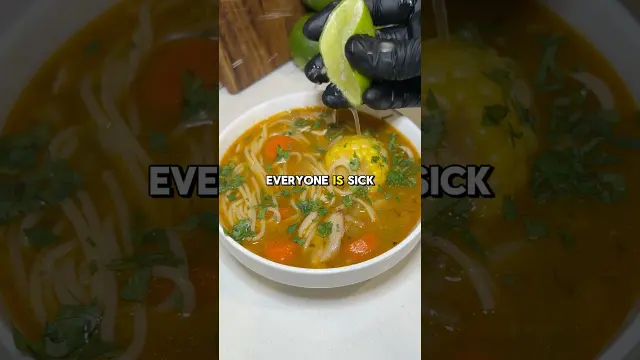 Authentic Cuban Sopa de Pollo Chicken Soup Recipe
 Naturally Thick Feel Good Chicken Soup Without Cream
 Creamy Marry Me Chicken Soup Comfort Food Recipe
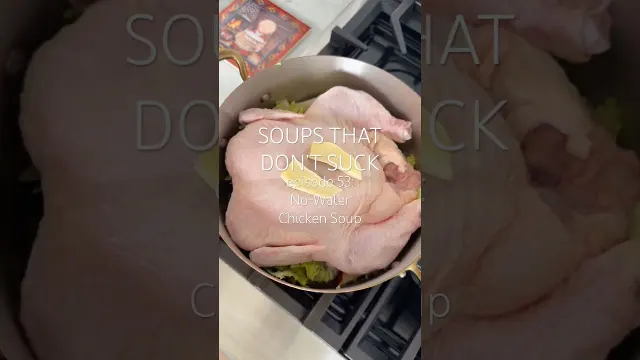 Unique Waterless Chicken Soup With Natural Broth
 Turn One Whole Chicken Into Three Different Soups
 Alex Guarnaschelli Go-To Classic Chicken Soup Recipe
 Homemade Cream Of Chicken Soup From Scratch
Get new #Soup Recipe ideas by email
Every Thursday: the week's best ideas, with the newest from #Soup Recipe.
Related tags
Soup Recipes: A Simple Guide to Homemade Soup
Soup is one of the oldest and most flexible ways to cook. At its simplest, it is a dish made by simmering ingredients in water, stock, or broth until they release flavor and soften into a comforting bowl. Nearly every food culture has its own soup traditions, from clear broths and vegetable soups to thick purées, noodle soups, and rich meat-based stews.
What makes a soup
A good soup usually starts with a flavorful base. That may be water, stock, broth, coconut milk, tomato, or a puréed vegetable mixture. From there, you build layers with aromatics such as onion, garlic, celery, or carrot, then add vegetables, grains, beans, pasta, meat, fish, or herbs. Some soups are light and clear, while others are thick and hearty enough to serve as a full meal.
Main kinds of soup
Read more
There are many ways to classify soups, but a few common types help you understand the basics:
- Clear soups: Light broths with a clean, simple flavor.
- Vegetable soups: Flexible, practical, and easy to adapt to what you have.
- Cream soups: Smooth and rich, often thickened with dairy, potato, flour, or blended vegetables.
- Puréed soups: Made silky by blending cooked ingredients.
- Meat or poultry soups: Built on slow-simmered bones, meat, or stock for deeper flavor.
- Noodle and rice soups: Comforting soups that include starch for body and substance.
Simple techniques that matter
Soup is forgiving, but a few habits make a big difference. First, cook the base slowly enough to let the flavors develop. If you are using vegetables, add firmer ones earlier and delicate ones later so they do not turn mushy. Taste as you go, because salt, acidity, and herbs can change the whole bowl. A squeeze of lemon, a splash of vinegar, or a spoonful of yogurt can brighten a soup at the end.
If you want a thicker texture, you can blend part of the soup, mash some of the vegetables, or simmer it a little longer. If you want a lighter result, keep the liquid clear and avoid overcooking the ingredients.
Tips for beginners
- Start with a simple recipe and a short ingredient list.
- Use good-quality broth or stock if the soup depends on a savory base.
- Cut ingredients into similar sizes so they cook evenly.
- Season gradually instead of all at once.
- Save fresh herbs, cream, and delicate greens for the end.
- Let leftovers cool before storing them, then reheat gently.
How to make soup your own
Once you know the basic method, soup becomes easy to personalize. You can make it rustic or smooth, light or filling, vegetarian or meaty, traditional or completely improvised. It is a practical way to use vegetables, leftovers, grains, beans, and herbs without wasting anything.
A homemade soup does not need to be complicated to feel satisfying. With a good base, a balanced mix of ingredients, and a little care at the end, you can turn a few simple things into a warm, nourishing meal.
Videos come from YouTube and posts from Instagram; titles and summaries are our own. All rights belong to their creators.